

Amtico Floor Maintainer
Here It Is The Amtico Floor Maintainer Review
When you talk of premium flooring, Amtico is bound to pop up. This household name is particularly known for their luxury vinyl floors that come in a wide range of designs, patterns, and textures. Home and business owners can customize them to suit any interior design vision. After putting in the sweat, time, and money to get your ideal floor, you don’t want to watch it go down the drain because of everyday dirt and grime. Proper maintenance is needed. There is a catch, though – with all the cleaning solutions available in the market today, using the wrong one can cause lots of harm to your installation. You want to work with solutions that will match the needs of the floor and still deliver the power needed to get rid of the dirt and grime—this is where the Amtico Floor Maintainer comes in.
Taking Care Of Your Luxury Floors
Many standard cleaning products can be overly abrasive or leave residues that dull the surface over time. Amtico Floor Maintainer , however, is balanced to clean thoroughly while preserving the aesthetic and structural qualities of the flooring – and it is ideal for materials like vinyl, linoleum and even rubber surfaces. That way you can maintain a fresh, polished appearance.
Removing the grime on surfaces is one thing – but what about the ambience of the room? It’s another win for this cleaner, which comes with a fresh citrus aroma. That way, you get the double combo of clean surfaces and scented rooms. After all, you want an inviting ambience in your home or workspace where you can truly feel rejuvenated.
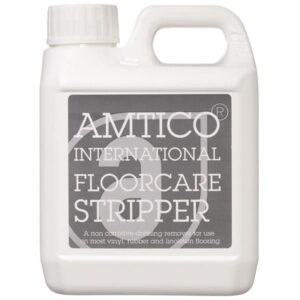
When it comes to packaging, you can get the Amtico Floor Maintainer in a 1-litre bottle, which is both convenient to handle and ideal for regular use in smaller spaces. Are you dealing with extensive flooring areas or have frequent cleaning needs (as is the case with contractors)? Then the 5-litre option is the better alternative for you. You get value for money and it reduces the need for frequent repurchases down the road.
Why It Works for Vinyl, Rubber, and Linoleum
Now for the material of the surfaces. The general rule of thumb when working on any area—be it floors, countertops, walls, or even windows—is that the solution being used should be compatible with the material itself. There have been multiple horror stories of DIYers working with corrosive products that ended up ruining their installations – which is not how you want things to play out. Let’s look at the issues people face with dealing with these kinds of floors, and how the Amtico Floor Maintainer is up to the task of maintaining them.
Caring For Vinyl Floors
Vinyl flooring, made from polyvinyl chloride (PVC) is popular for its durability, water resistance, and cost-effectiveness. That’s why you’ll see it in commonly in kitchens and bathrooms. It’s easy to clean, and stands up to heavy traffic. Given that it is comfortable underfoot, and it mimics more expensive flooring options like hardwood and stone it’s also a preferred choice for living areas. The ease of installation and low maintenance requirements contribute to its appeal in both residential and commercial settings.
Commercial spaces like retail shops also use this type of floor, as well as hospitals, and schools. The priority in such settings is having a floor that can take on loads of use. For luxury vinyl tiles (LVT), these are often used in hospitality settings like hotels and restaurants for their aesthetic appeal and longevity.
But that does not mean that the material is invincible though. Improper care and maintenance measures can damage it. For instance, you can have damage from substances like shoe polish, soot, and ink that can permanently stain the material if not promptly dealt with.
Common cleaning mistakes usually include:
- Using inappropriate cleaning products: Employing harsh chemicals can damage the floor’s protective layer, so it’s crucial to use cleaners specifically designed for vinyl. Bleach and ammonia can strip the protective coating from vinyl floors, while acidic detergents may alter their colour and texture.
- Abrasive tools: You might be tempted to grab something like steel wool or a tough brush to get rid of stubborn stains, but it’s better to go easy. Those rough cleaning tools can scratch up your floor. Instead, a soft cloth or mop does the trick nicely. It’ll keep your floor looking good without the risk of damage.
- Using steam mops: Want to go with steam mops for your floors? Not the best idea. The heat and moisture from the mop can actually make your floors warp, and worse, it might let moisture seep in and encourage mould to grow.
- Inadequate mop maintenance: If you don’t rinse or swap out the mop pads now and then as you mop the surface, you’re actually just moving the dirt around. This can leave streaks and a dull finish, sort of like smearing muddy water across a window. So, remember to give that mop pad a good rinse or switch it out for a clean one as you go.
- Applying wax or oil-based products: Say someone applies a layer of wax or oil-based products to the floor in an attempt to enhance that shine. Initially, it looks glossy and attractive, but over time, that layer starts to build up. Before you know it, you end up with a slippery trap, dimming the floor’s natural beauty and making it a hazard just waiting for an unsuspecting slip. Instead of reaching for those shiny quick-fixes, sticking to recommended cleaning products keeps your floor safe and maintains its charm without the risk
Linoleum Floor Maintenance
Linoleum was invented back in the mid-19th century by Frederick Walton. He noticed a skin had formed on some linseed oil and thought of replicating the same on surfaces instead of using India rubber. So, he mixed it with cork dust and gums to create a durable floor covering. The name ‘linoleum’ actually comes from the Latin words for flax (linum) and oil (oleum).
Originally, linoleum was used on ship decks but quickly found its way into homes because it was water-resistant, durable, and easy to clean. This made it super popular for areas like kitchens and hallways. Over time, it began becoming a common feature in decorative and commercial spaces, as well as high-traffic areas like airports and shopping centres because it’s tough and slip-resistant.
One of the big wins for linoleum is its natural components – the likes of linseed oil, pine resin, and wood flour, which are mixed with pigments to create various colours. It makes it pretty flexible in terms of aesthetics. It lasts long too, with floors typically having a life expectancy of over 30 years, after which they can still be recycled. That means you end up with a more environmentally-friendly installation.
However, prolonged exposure to water can lead to deterioration, and while it resists dirt and allergens, it can fade if exposed to direct sunlight for extended periods. These floors also require protection from heavy furniture which can cause indentations if not properly managed. Linoleum and wood floor care products are not interchangeable. Wax meant for wood can create a sticky residue or discolour the linoleum. Instead, use a linoleum-specific polish for shine and protection. Always refer to the manufacturer’s care recommendations.
Common cleaning mistakes that can adversely affect linoleum floors include:
- Using harsh chemicals: Ammonia and bleach are a threat here too. Sure, they can be used on other fabrics and surfaces around the house, but when it come to linoleum you run the risk of stripping off the protective coating and causing discolouration.
- Over-wetting: Do not go drenching the floor with too much water during the cleaning process. If it seeps into the seams of the structure, there will be swelling and warping.
- Using steam cleaners: High heat and moisture from steam cleaners can warp and degrade linoleum.
In this case as well, the cleaning tools should be the likes of soft cloths or mop pads and gentle solutions such as the Amtico Floor Maintainer under review. Stiff-bristled brushes can scratch linoleum. For tough stains, use a soft cloth or sponge with a gentle cleaning solution instead. Leaving residue from cleaning products can dull linoleum and attract dirt more quickly. Always finish with a clean water rinse to remove any leftover soap.
There are also some protective measures you should put in place. For one, getting furniture pads will minimize chances of scratches or dents forming on the surface. Blinds and curtains come in handy as well to blog direct sunlight from reducing the lifespan of the floor.
Working On Rubber Floors
These are known for how well they withstand heavy foot traffic. That’s why rubber is a common choice for gym and school floors. Plus, there are the acoustic properties, where the material reduces noise in busy environments. It’s a comfortable flooring material as well. Since it is often made from natural or recycled rubber, you get to contribute to sustainability efforts too. When it comes to the installation, things are a breeze. Rubber floors are usually available in both tiles and sheet forms, catering to different aesthetic and practical requirements.
What can affect them? Sunlight for one. Too much of it causes the colour of rubber floors to fade over time. Exposure to oils and grease, on the other hand, can degrade the material. There is also the risk of sharp objects and heavy equipment puncturing or indenting the surface, especially if the material is not of high density. Also note that while rubber floors are water-resistant, excessive water seeping into seams or under the flooring can ruin the adhesive or subfloor.
Failure to regularly remove dirt and grit can lead to the surface being scratched or worn down, especially in high-traffic areas where debris accumulates more frequently. Delayed action when it comes to dealing with spills can lead to stains, especially from substances like oil, which are particularly difficult to remove once absorbed. Also note that applying wax or sealants that are not recommended by the manufacturer can create a build-up that attracts more dirt or even strip the built-in protective coatings of the rubber flooring.
With the cleaning itself, using chemicals not specifically designed for rubber flooring can cause the surface to break down, causing them to deteriorate and lose their appeal.
- Degradation by Solvents: Solvents such as turpentine, paint thinner, or industrial degreasers, often used for removing tough stains, can severely damage rubber flooring. While they might appear effective initially, their use can break down the rubber’s chemical structure, resulting in brittleness, cracks, and loss of elasticity. This damage necessitates costly replacements over time. In homes, these solvents may be mistakenly applied during DIY projects to clean up paint spills, damaging rubber-backed mats or floors. In commercial settings like garages or workshops, using degreasers to tackle oil stains can inadvertently harm the durability and traction properties of rubber flooring.
- Corrosive Cleaning Products: Cleaners with extreme pH values, such as bleach and ammonia, are harmful to rubber flooring. Their corrosive nature can erode the rubber surface, making it rough and discoloured. That’s why at home when it comes to cleaning kitchens and laundry rooms, the use of bleach on rubber mats under the assumption of enhancing hygiene leads to faded colours and weakened flooring. Or using ammonia-based cleaners in gyms or healthcare facilities leading to accelerated wear and tear of rubber floors, diminishing their lifespan and appearance. You won’t have to worry about such issues when using the Amtico Floor Maintainer .
Benefits of Using Amtico Floor Cleaner
- Enhanced Cleaning Efficiency
Its concentrated formula ensures that even a small amount is enough to break down stubborn dirt and grime, making it an efficient choice for routine cleaning. Unlike generic cleaners that often fall short on results, Amtico’s product excels at restoring floors to their original brilliance with minimal effort.
One of its key advantages lies in its ability to address everyday messes without leaving streaks or residue. The cleaner is formulated to ensure a smooth, polished finish, leaving your floors looking spotless and well-maintained after every use. Its citrus aroma adds a fresh scent to your space and also enhances the overall cleaning experience, making chores feel less tedious.
- Preservation of Flooring
You definitely spent lots of resources to install the right floor for your premises. You want it to last long and look good throughout. Using this cleaner helps you protect that investment. It’s tough on dirt but gentle on the actual surface, allowing you to use it for routine maintenance without worrying about degradation or discolouration of the floor. Plus, given that dirt is one of the main contributors to floors wearing down, having a solution around that gets rid of the source of the problem is beneficial in the long haul. You won’t find yourself digging into your pocket for premature replacements or refinishing.
- Safety Factor
This cleaner is great for use inside your home, especially if you have kids or pets running around. You don’t have to worry about any nasty fumes or residues that could affect your indoor air quality or harm sensitive family members. Plus, the light citrus scent freshens up the place without overwhelming your senses, offering a nice break from alternatives with strong chemical smells.
Being a concentrated product, a little goes a long way. This means fewer bottles are needed over time, contributing to a more sustainable cleaning routine. And coming in both 1-litre and 5-litre packaging means you get to choose the option that matches your needs and minimises packaging waste.
- A Versatile Solution
While it’s tailored for vinyl, rubber, and linoleum floors, its gentle yet effective formula makes it a reliable choice for various applications. Whether you’re dealing with high-traffic areas in commercial settings or maintaining the elegance of your home’s flooring, this cleaner adapts to different environments effortlessly. Its compatibility with multiple flooring types eliminates the need for purchasing separate cleaners, simplifying your cleaning routine and saving you money. This adaptability makes it particularly valuable for mixed-use spaces where different flooring materials coexist.
Its easy-to-use formulation means you don’t need extensive preparation or specialised equipment to achieve professional-level results. Simply dilute the Amtico Floor Maintainer , apply to the floor, and watch as it lifts dirt and restores shine with ease. Knowing that you’re using a product specifically designed for your flooring type also adds confidence to your cleaning process. Operation-wise, its mostly the same as the process you normally use for cleaning.
Guide to Using Amtico Floor Cleaner
Let’s have a look at how to get the most of the product and the steps to follow during the cleaning process.
Preparation Before Cleaning
- Clear the Area:
Begin by removing any furniture, rugs, or items that might obstruct your cleaning. Here the purpose is to ensure that there is nothing inhibiting your access to the floor, and also you will be more thorough, without missing any spots.
- Sweep or Vacuum:
To prevent dirt or debris from scratching the surface during mopping, sweep or vacuum the floor thoroughly. Pay special attention to corners, edges, and areas with heavy foot traffic where dust tends to accumulate. This prevents the debris from being spread around during the wet cleaning process, which can cause scratches or more embedded dirt on the flooring surface. Plus you get more from the solution if it acts directly on the surface that needs cleaning, rather than being absorbed or obstructed by layers of dust and dirt.
- Check for Stains or Spills:
If you notice any tough stains or spills, gently blot them with a damp cloth before applying the cleaner. This helps to loosen the residue and makes the cleaning process more effective.
- Dilute the Cleaner:
The Amtico Floor Maintainer is a concentrated solution, so it needs to be diluted as per the instructions on the packaging. Typically, a small amount mixed with warm water in a bucket is sufficient for most cleaning tasks. Ensure the solution is evenly mixed before use.
Detailed Cleaning Process
- Select the Right Mop:
Use a soft, microfibre mop for the best results. These mops are gentle on your floors and ensure even application of the cleaning solution without leaving streaks.
- Apply the Solution:
Dip your mop into the diluted cleaner, ensuring it’s well-saturated but not dripping excessively. Wring out excess liquid to prevent oversaturating the floor, especially for materials like vinyl and linoleum.
- Start Mopping:
Work systematically, starting from one corner of the room and moving towards the exit. Use gentle, sweeping motions to clean the floor, paying extra attention to high-traffic areas or spots with visible dirt.
- Reapply as Needed:
If your mop becomes too dirty or dry, rinse it in the cleaning solution and continue. For larger spaces, consider refreshing the solution midway through the cleaning process to maintain its effectiveness.
- Let the Floor Dry Naturally:
After mopping, allow the floor to air dry completely. Avoid walking on the surface until it’s fully dry to prevent footprints or streaks.
Post-Cleaning Care
- Inspect for Missed Spots:
Once the floor has dried, inspect it under natural light to ensure no areas were missed. Spot clean any remaining marks using a small amount of the diluted cleaner and a soft cloth.
- Buff for Extra Shine:
For an added touch of brilliance, use a clean, dry microfibre cloth to gently buff the floor. This enhances the sheen, giving your floor a polished, professional look.
- Dispose of the Solution Properly:
Once you’ve finished cleaning, dispose of the remaining solution responsibly. Avoid pouring it directly down the drain if possible—use a sink or disposal method recommended for cleaning products.
- Store the Cleaner Safely:
Ensure the Amtico Floor Cleaner bottle is sealed tightly and stored in a cool, dry place, away from direct sunlight. This keeps the product fresh and ready for future use.
- Maintain a Cleaning Routine:
Regular cleaning is the key to long-term floor maintenance. Depending on the level of foot traffic, aim to clean your floors weekly or biweekly. This prevents dirt build-up and keeps your floors looking their best.
For particularly tough stains, apply a small amount of undiluted cleaner directly to the spot. Let it sit for a few minutes before gently scrubbing with a soft-bristled brush or cloth. If streaks appear after cleaning, it may be due to using too much cleaner or an overly wet mop. Reduce the amount of solution in future cleanings and ensure your mop is well-wrung. Buffing can help even out the shine, but if the floor still looks dull in certain areas, consider reapplying the cleaner with a fresh mop.
- Use clean tools for every cleaning session to prevent dirt transfer or streaking.
- Avoid harsh scrubbing tools or abrasive pads, as they can scratch or damage the surface.
- Keep pets and children off the floor during and immediately after cleaning to ensure a flawless finish.
Expert Tips on Floor Maintenance
A consistent cleaning routine is key to prolonging the lifespan of your floors and ensuring they always look their best. Here are some best practices to integrate into your regular cleaning schedule:
- Daily Dust Removal:
Dust and dirt particles can act as abrasives, dulling the finish of your floors over time. Use a soft-bristle broom, vacuum with a hard-floor setting, or a dry microfibre mop daily to remove surface debris.
- Weekly Deep Cleaning:
For a thorough clean, use the Amtico Floor Maintainer diluted as directed. A weekly mopping session ensures that any stubborn dirt, grime, or spills are effectively removed before they can cause long-term damage.
- Spot Cleaning Spills Immediately:
Spills, especially from acidic or pigmented substances, should be addressed promptly to prevent staining. Use a damp cloth with a small amount of cleaner for quick touch-ups.
- Alternate Cleaning Directions:
For large areas, alternate the direction of your mopping strokes each week. This ensures even coverage and prevents streaking or uneven shine.
- Don’t Forget Corners and Edges:
High-traffic areas often receive the most attention, but don’t neglect corners, edges, or under furniture where dirt can accumulate unnoticed.
Avoiding Common Cleaning Mistakes
Even with the best intentions, certain mistakes can inadvertently harm your floors. Here’s what to avoid:
- Using Too Much Water:
While mopping, avoid oversaturating your floors. Excessive moisture can seep into seams, especially with linoleum or vinyl, causing warping or adhesive breakdown over time. Always wring out your mop thoroughly before use.
- Skipping Dilution:
The Amtico Floor Cleaner is a concentrated formula, which means it must be diluted as instructed. Using it undiluted can leave a residue, dulling the floor’s appearance.
- Harsh Scrubbing Tools:
Resist the urge to use abrasive scrubbers or stiff brushes, which can scratch the surface of your floors. Stick to soft-bristle tools or microfibre cloths for safe cleaning.
- Incompatible Cleaning Products:
Avoid using general-purpose cleaners, especially those containing bleach or ammonia. These can damage the finish of vinyl, rubber, and linoleum surfaces, compromising their durability.
- Neglecting Floor Protectors:
Furniture can leave scratches or dents if moved frequently without protection. Use felt pads or rubber caps on chair and table legs to safeguard your flooring.
Long-Term Maintenance Tips
In addition to routine cleaning, incorporating these long-term maintenance strategies will keep your floors looking as good as new:
- Use Entry Mats:
Placing mats at entry points reduces the amount of dirt, grit, and moisture brought in from outside. Choose mats with non-slip backings to prevent movement and damage to the floor underneath.
- Rotate Furniture:
Regularly rotating furniture helps to distribute weight more evenly, preventing permanent dents or impressions in certain areas of the floor.
- Monitor Humidity Levels:
High humidity can affect rubber and linoleum flooring, while low humidity can cause cracks or curling. Use a humidifier or dehumidifier as needed to maintain a stable environment.
For linoleum and certain vinyl floors, consider reapplying a manufacturer-approved protective coating every few years to restore shine and protect against wear.
- Prevent Scratches:
Encourage family members and guests to avoid wearing high heels or heavy boots on your floors, as they can leave permanent marks.
Why Choose Amtico Floorcare Solutions?
Amtico stands out with its over six decades of expertise in manufacturing luxury vinyl tiles (LVT) in Coventry, UK. They are dedicated to exceptional craftsmanship, design, and quality, backed by a meticulous 57-step product assurance process.
The brand’s journey started in 1964 as a joint venture between Courtaulds and American Biltrite. In 1969, Courtaulds took full control and expanded the brand globally. The 1990s saw Amtico’s international expansion with offices in Germany and a US manufacturing plant. By 1996, CEO John Harris led a management buyout, making it privately owned. Innovations like the Spacia product line began in 2004, and in 2012, Amtico was acquired by Mannington Mills – with the flagship “Signature” collection getting a new look the year later. The brand continued to innovate with new collections and sustainability initiatives – like the PVC-free planks and tiles for commercial establishments, and it marked its 60th anniversary in 2024 with a relocation of its German office to Dusseldorf’s Design district.
The brand offers a wide array of designs through its four main collections: Signature, Spacia, Form, and Click Smart. These collections feature an extensive variety of woods, stones, and abstract patterns, allowing for personalised style expressions through unique laying patterns and motifs.
Their flooring solutions are engineered for durability, featuring Amtico’s industry-leading Multiple Performance System and urethane layer Quantum Guard Elite technology. This provides a high level of resistance to wear and tear, making their floors practical for busy homes. This not only ensures resistance against wear and tear but also makes the floors easy to maintain, ideal for dynamic home environments.
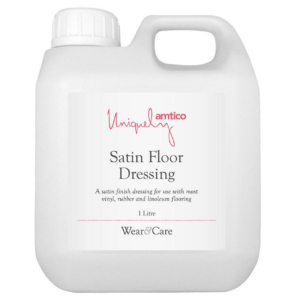
The brand emphasizes sustainability, employing processes that reduce environmental impact without compromising on quality or design. This extends to maintenance products like the Amtico Floor Maintainer 1L under review here.
Amtico Floor Maintainer Review
-300x300.jpg)
0 Comments
Questions or feedback? Join the discussion below.
No comments yet. Be the first to comment.
Replying to