
Factors That Affect The Price Of Nitrile Gloves
Factors That Affect The Price Of Nitrile Gloves
Here is a look at what goes into setting the final price tag that is on the different kinds of nitrile gloves:
-
Thickness
This determines the application areas of the gloves. The thickness is measured in mils- of which one equals 0.001 inches. To put it into perspective, the average plastic grocery paper is about 3 mils thick. Most disposable nitrile gloves clock between 8-15 mils, while the general-purpose units come in at 4 mils thick. The thickness of the gloves is determined by aspects such as the nitrile viscosity. The higher the viscosity of the acrylonitrile butadiene rubber (NBR) compound during the dipping phase as the gloves are being made, the thicker the gloves will be. Basically, the thicker the gloves is, the stronger the barrier protection- but with a trade-off in the dexterity during usage. For instance, tattoo artists will work with 8mil gloves, as this provides both touch sensitivity and puncture protection. Tougher jobs will require much thicker gloves, especially when working with chemicals where you want units with longer permeation times.
-
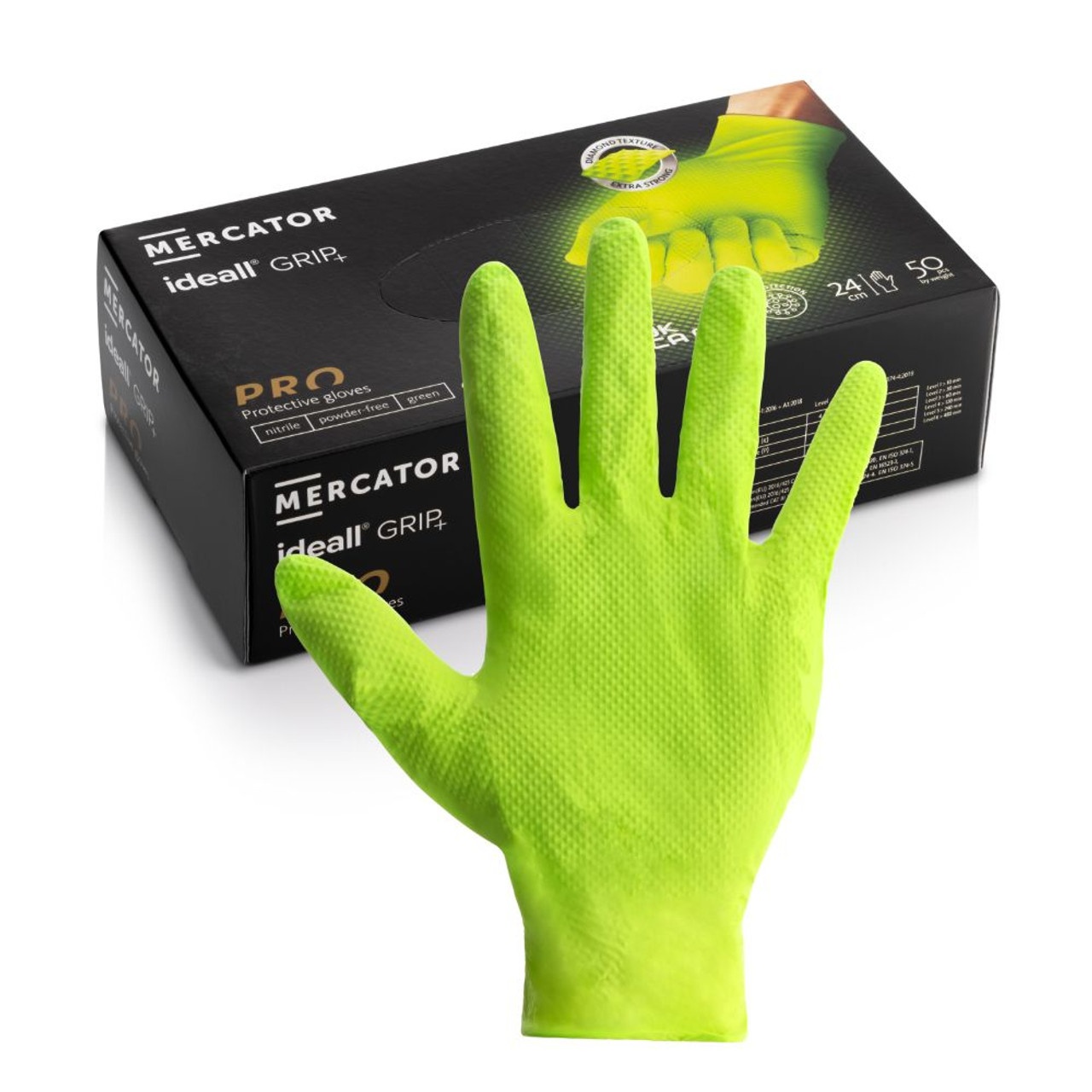
Powder vs. Powder-Free
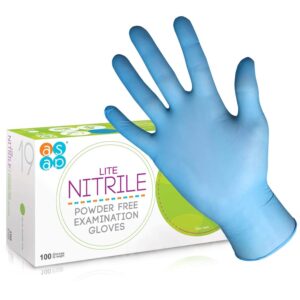
Powdered gloves are being phased out of markets because of their numerous health effects, from the high number of cases of allergic reactions, wound inflammation, airway inflammation, and even post-surgical scar tissue formation. The powder was added to gloves in order to make them easier to wear and remove. However, the increased danger to the patients, healthcare providers and other persons coming into contact with them has seen them being shunned of, and powder-free nitrile gloves taking centre stage. As such, a slight premium is expected with the powder-free gloves. However, they are worth the cost, given that they are cleaner, won’t result in contamination.
-
Supply and demand economics
This mainly affects the raw materials. For instance, butadiene is one the of main ingredients required in the manufacture of nitrile gloves. This particular ingredient is already in high demand, as it is used in the productions of items such as car tyres. This affects the market dynamics when sourcing for it. Should factories that manufacture butadiene get on a go-slow, or there is a shutdown for lengthy durations, then ultimately the cost of nitrile will increase, and affect the end product. Even the state of the market of natural latex rubber will affect nitrile gloves. For instance, when there are lower crop yields in Thailand- one of the largest sources of the natural rubber in the world, it affects how much latex rubber is available. This leads to a higher demand for nitrile, and the consequent increase in prices of the gloves.
Why Nitrile Gloves Are In Higher Demand Compared To Vinyl and Latex Gloves
Firstly, nitrile gloves come with higher chemical resistance compared to the latex and vinyl, allowing them to be used for a wide range of applications. Secondly, and what is behind the surge in demand for the units, is the concern about latex allergies, and effects on those with sensitive skin. With nitrile, the risks of allergic reaction that are witnessed in latex gloves are avoided, protecting both the wearer and the persons being attended to.
Factors That Affect The Price Of Nitrile Gloves
Recommended products
Discover more alternatives and similar items.
0 Comments
Questions or feedback? Join the discussion below.
No comments yet. Be the first to comment.
Replying to