
Evans Oven Cleaner For Smarter Kitchen
Evans Oven Cleaner For Smarter Kitchen Maintenance
Ovens, griddles and cast iron hobs take on loads in any busy kitchen. Every service, bake, fry-up or batch of grilled food leaves something behind. It starts off as a light film of grease or a few dark patches around the edges. Give it time, and that residue hardens into baked-on grease, carbon and food deposits that take more effort to remove. Evans Oven Cleaner is made for that.
A Heavy-Duty Cleaner For Oven And Grill Interiors
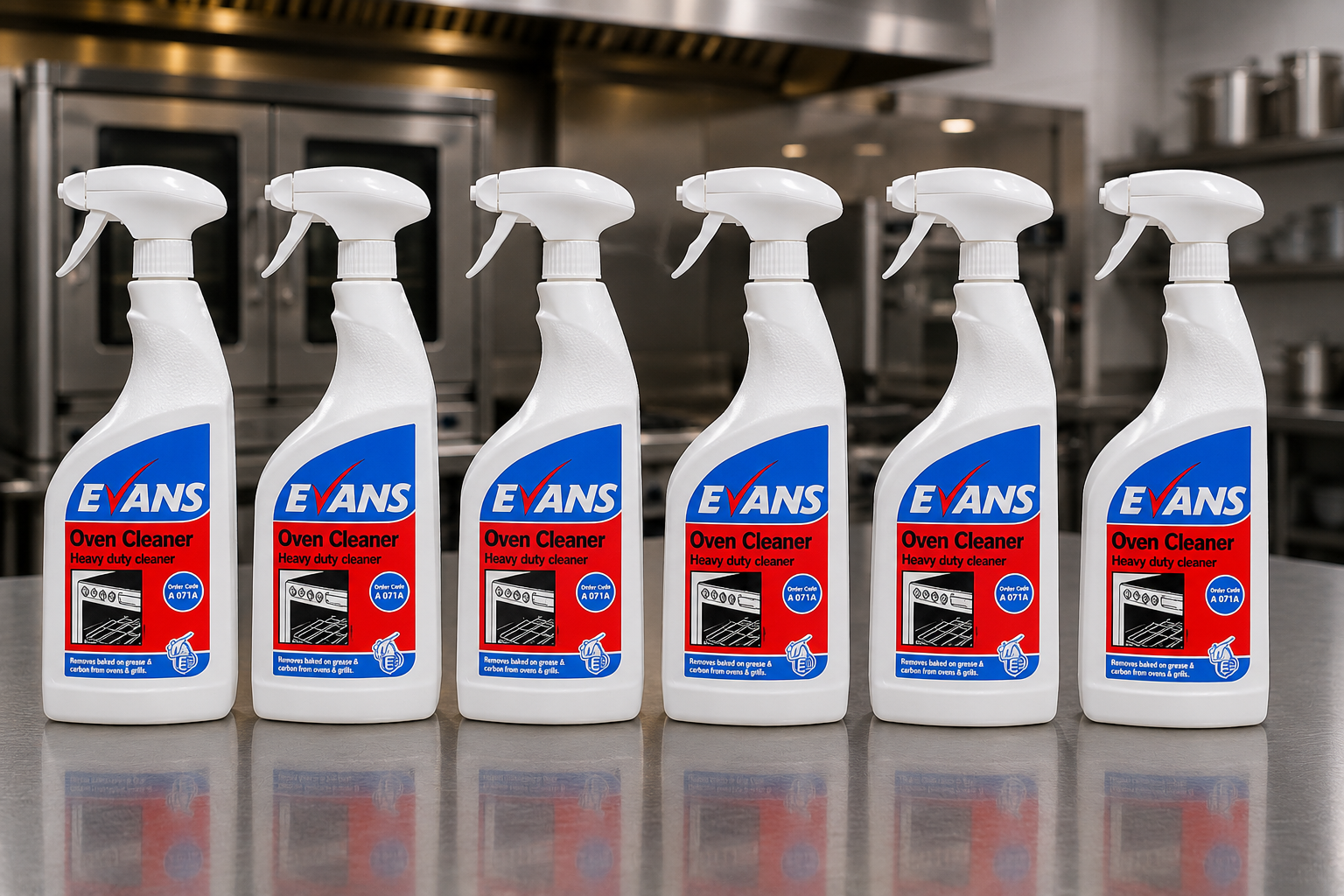
The Evans Oven Cleaner is intended for the interior of enamelled ovens and surfaces, griddles and cast iron hobs, which usually take the hardest hit during service. It’s the solution you bring into the routine when heat, time and repeated cooking have made residue tougher. A thickened, foaming product that loosens grease and carbon before you scrub and rinse.
The Soiling It Targets
The main problem here is cooked-on soil. Fresh grease is one thing. Grease that has been heated, cooled, reheated and mixed with food particles becomes much harder to shift.
Inside an oven, you may see brown staining, sticky patches or blackened areas near the corners, shelves and back wall. On a griddle, it can show up as a dull, dark layer that makes the surface feel rougher and harder to clean.
Evans Oven Cleaner is designed for baked-on grease and carbon, especially on surfaces that face direct heat every day. It helps break down the stubborn residue that normal cleaning can leave behind.
For kitchen teams, this makes the job more predictable. You are working with a cleaner matched to the soil, instead of relying on extra force and longer scrubbing.
Why A Thickened Foaming Cleaner Helps
Vertical oven walls create a simple problem. Thin liquid can run down before it has had time to work. A thickened foaming cleaner behaves differently. It clings to the surface, which gives the formula more contact time on grease and carbon deposits.
That contact time matters because deep cleaning is a process. The cleaner needs time on the soil, then agitation helps lift what has loosened, and rinsing clears the surface. When you clean oven sides, corners and back panels, the clinging foam helps you treat the surface more evenly. It also makes the application feel controlled, especially when you work from the back of the oven towards the front.
Low Odour And Unperfumed
In a food-service space, fragrance can get in the way. Strong perfumes may linger around prep areas, staff rooms or service spaces and make the kitchen feel less fresh, even after cleaning. A low odour, unperfumed formulation suits a practical kitchen routine because the focus stays on cleaning performance, rinsing and getting the equipment ready for use again.
This is especially useful where several people share the same workspace. You want the oven or griddle to smell clean through good cleaning practice, rather than through added fragrance.
Why Alkaline Cleaners Work On Grease
Grease is fatty soil. Fresh grease can often be wiped away with less effort. Cooked grease is a different beast. Heat changes it. Time makes it cling. Food bits join the party. Soon, you are dealing with sticky, dark residue that laughs at a quick wipe.
Alkaline products help break down fatty deposits. Once the grease has loosened, you can agitate it with a brush or pad. Then you can rinse it away with clean water. The job becomes more controlled. Your arms get a break too, which is always a bonus.
The pH scale tells you how acidic or alkaline a product is. A pH of 7 is neutral. Evans Oven Cleaner has an undiluted pH of 13.8. That puts it at the high-alkaline end of the scale. Its key ingredient is sodium hydroxide, also called caustic soda, at 10 to 15%.
That strength explains two things. It helps the cleaner deal with baked-on grease and carbon. It also means you should handle it with care. Gloves, eye protection and correct rinsing are all important.
The cleaner is also soluble in water. That helps at the rinsing stage. After contact time and agitation, clean water carries away loosened grease, carbon residue and remaining cleaner.
When you rinse properly and allow the surface to air dry, you finish the clean properly. You remove the soil, rather than spreading it around and calling it a day.
Where Evans Oven Cleaner Fits In A Kitchen Cleaning Routine
As we’ve covered, you use it when grease and carbon have moved past light surface soil and need a controlled deep clean. Where does this apply?
After-Service Cleaning
After-service cleaning is your first line of control. This is where you remove fresh splashes, loose food bits and light grease before they harden. A quick clean at the end of the shift helps keep the kitchen workable for the next team, especially around handles, trays, racks and nearby prep areas.
Evans Oven Cleaner belongs to the heavier part of the task. It delivers a thorough clean where residue needs contact time before agitation and rinsing.
Weekly Or Scheduled Deep Cleaning
A scheduled deep clean gives you time to cover all grounds. In a busy kitchen, that might mean a weekly clean after the final service, a quieter midweek slot, or a planned cleaning window before equipment is used again. The right timing depends on how often you cook, what you cook, and how quickly residue builds up.
The Food Safety Authority of Ireland recommends using a cleaning schedule and cleaning records so staff can see what needs cleaning, how often it should be cleaned, and when the work has been completed. That same thinking works well for ovens and griddles. Once the task is written into the routine, staff can plan around warming the surface, applying product, waiting, agitating, rinsing and allowing the equipment to air dry.
Griddles And Cast Iron Hobs
Griddles and cast iron hobs collect residue differently from an oven wall. They deal with direct contact from food, oils, marinades, sauces and repeated heat. Over time, that can create a dark layer that feels harder under a scraper or pad. When the surface reaches that stage, cleaning becomes more tiring and less consistent. A dedicated oven and griddle cleaner helps you reset the surface in a more controlled way. That’s right up the alley of the Evans Oven Cleaner.
Shared Kitchens And Facilities Teams
Shared kitchens need consistency. When several staff members, tenants or departments use the same appliances, cleaning habits can vary quickly. One person may wipe the oven door. Another may clean the trays. Someone else may leave the griddle for the next shift. A standard product and method reduces that variation.
For facilities teams, this matters because you are managing more than one appliance. You are managing behaviour. A clear routine helps every user understand when the deeper clean happens, which surfaces are included, who is responsible, and where the product is stored. It also helps supervisors spot training gaps before poor habits become normal.
A Planned Routine For Deep Oven Cleaning Belongs In Your Kitchen Maintenance Plan
Oven cleaning becomes much easier when you treat it as maintenance rather than a last-minute rescue job. In a working kitchen, heat turns everyday splashes into sticky layers, then darker carbonised patches. Once that happens, a quick cloth after service can only take you so far.
Plus baked-on grease changes the way a kitchen feels and works. You may notice smoky smells during preheating, dark residue around oven walls, or stubborn patches on griddles that take longer to shift at closing time.
Heavy carbon deposits can also make cleaning feel harder than it needs to be. Instead of a controlled task, the job becomes a tiring scrub at the end of a long day. That is where a dedicated heavy-duty product like Evans Oven Cleaner earns its place in the maintenance cupboard.
Daily wiping is useful for fresh spills, loose crumbs and light grease. Deep cleaning deals with the residue that has already been through repeated heating cycles. When you separate those two jobs, your cleaning routine becomes clearer. Staff know what has to be handled after service and what belongs in a planned maintenance slot.
A planned routine also supports food hygiene. Keep a proper cleaning schedule and cleaning records, with clear detail on what is cleaned and how often. That approach works well for deciding which equipment needs daily attention, which appliances need a deeper weekly clean, and who signs off the task.
This is especially important with a professional alkaline degreaser. You want enough time for preparation, controlled application, contact time, agitation, rinsing and drying. Rushing the task increases the chance of missed areas, poor rinsing or careless handling.
Supporting Food Businesses
Oven and grill maintenance is part of any kitchen where equipment is used repeatedly.
In a restaurant, it helps your team stay ready for the next service. In cafés and bakeries, it keeps ovens easier to manage after pastries, toasties, trays and reheated dishes have had their moment. In catering units, it helps you keep things steady when the next event is already breathing down your neck.
This is also key in school kitchens, hotels, food production areas and shared staff kitchens. The more people use the same oven or griddle, the easier it is for cleaning responsibility to become blurred. Everyone thinks someone else did it. Then the next person opens the oven and meets last week’s lasagne.
A written routine gives everyone the same standard to follow. No “I thought Dave did it.” No heroic scrubbing at closing time.
Good oven care starts with a simple idea. You are looking after the appliance, saving your team’s energy and making hygiene easier to keep on track. Clean equipment helps the next shift start with a fighting chance, instead of a sponge, a sigh and yesterday’s grease.
Food-Service Maintenance Logs
A simple maintenance log gives your cleaning routine a memory. Record the date of the deep clean, the appliance cleaned, the person responsible, the product used, and any notes about the condition of the equipment. Add a space for issues such as damaged seals, loose racks, heavy build-up, poor rinsing access or surfaces that need checking before the next clean.
That record moves you away from panic cleaning. You start seeing patterns. You can adjust the cleaning frequency. You can support staff with clearer expectations. This habit pays for itself in calmness. Oven care becomes easier to manage, easier to repeat and easier to explain during internal checks.
From A Reputable Brand Built Around Professional And Industrial Users
Not every product gets to make it to be in your kitchen. After all, that is an environment with staff, equipment, food routines and safety procedures. So you should be extra careful with the company whose products you’re working with. Evans Vanodine brings a long manufacturing background to that decision.
The business began in 1919, when William Charles Evans started it in Salford, Manchester. The early company produced spraying essences for cinemas, then moved into disinfectants, liquid soaps and cleaning powders. Over more than a century, that small beginning grew into a UK-based manufacturer focused on cleaning, hygiene and disinfection for professional users. The company is still associated with family ownership, which gives the brand a clear line of continuity rather than a short-term product-only identity.
Evans Vanodine is built for places where cleaning has to support daily operations. That includes catering, hospitality, education, healthcare, food processing, janitorial work, animal health and industrial environments. A commercial kitchen needs more than a general-purpose cleaner on a shelf. You need products that fit routines, surfaces, staff training and documentation.
The oven cleaner we’re looking at here belongs to Evans Vanodine’s Professional Hygiene range. It is made in the UK under ISO 9001 Quality Management System certificate FM 09535 and ISO 14001 Environmental Management System certificate EMS 506072. Both are registered by the British Standards Institution.
ISO 9001 is about consistent quality management. ISO 14001 is about structured environmental management. In plain terms, you are choosing a product from a manufacturer with proper systems behind how it makes and manages its products.
There is also a wider sustainability factor here. Evans Vanodine holds Planet Mark certification. Its carbon footprint monitoring began in 2019. By the fifth year of certification, the company had reported a 35% reduction in its carbon footprint.
For you, this adds useful reassurance. You are dealing with a manufacturer that understands professional procurement, safety paperwork, cleaning records and daily hygiene routines.
How To Use Evans Oven Cleaner
Prepare The Area First
Clear out the work area. Remove food, trays, packaging, cloths and utensils from the immediate cleaning space. You want access without reaching over anything that could get contaminated or knocked over.
Ventilation also helps. Open the kitchen extraction system or allow airflow where appropriate (especially when spraying). Inhalation is an unlikely route of exposure since the product contains no volatile substances, but spray mist still needs some control.
Next, remove loose debris. Scrape away crumbs, burnt fragments and loose carbon before applying the cleaner. This gives the product better contact with the greasy residue that actually needs breaking down.
Note: Evans Oven Cleaner is intended for the interior of enamelled ovens and surfaces, griddles and cast iron hobs. Keep it away from aluminium, painted, easy-clean, self-cleaning and oven exterior surfaces.
Warm The Surface Correctly
Warmth helps the cleaner do its job. Bring the oven or griddle to 40–45°C, then switch the appliance off before you apply the product. That range gives you useful warmth without turning the job into a wrestling match with a hot oven.
Don’t think of this as ‘cooking heat’. You are giving the cleaner a better surface to work on. Warm residue is easier to loosen than cold, stubborn build-up.
Once the appliance is off, give yourself room to work. Move trays, racks and tools out of the way. Work steadily. If a rack, tray or panel still feels too hot to handle safely, wait a little longer.
Apply From The Back Forward
Apply the undiluted Evans Oven Cleaner carefully to the surface, starting at the back of the oven and working forwards. This method keeps the job organised. You avoid leaning across freshly treated areas, and you reduce the chance of dragging your sleeves or gloves through the cleaner while trying to reach the back panel.
Working from the back also helps with visibility. You can see which areas have already been covered and which sections still need attention. On vertical oven walls, the thickened foaming texture helps the product cling rather than run straight down. That makes application more controlled, especially around corners, side walls and the rear of the oven.
Use enough product to wet the soiled surface, without flooding the appliance. Controlled application makes rinsing easier and helps you keep the task tidy.
Allow Proper Contact Time
Once applied, leave the cleaner for 10–20 minutes. This waiting period is part of the cleaning action. Grease and carbon that have been baked repeatedly need time to loosen. If you scrub too soon, you shift the work from the product back to your arm.
Use the waiting time well. Keep the area clear, check that the product stays on the intended surface, and prepare your brush, scouring pad, clean water and rinsing materials. In a busy kitchen, timing is easy to lose, so use a timer rather than guessing. A measured contact time makes the result more consistent from one clean to the next.
Agitate Where Needed
After contact time, agitate the treated surface with a brush or scouring pad. This helps lift softened residue from enamelled interiors, griddles and cast iron hobs. Focus on areas where carbon has built up in layers, such as oven corners, edges, rack guides and griddle zones that receive the most oil or food contact.
Use firm, controlled movement. Excess force can make the task messy and increase splashing. Let the cleaner and the contact time do most of the work, then use the brush or pad to finish the lift. If a patch remains stubborn, treat it as a sign that your deep-cleaning frequency may need adjusting.
Rinse Thoroughly And Air Dry
After agitation, rinse the surface with clean water and remove loosened grease, carbon and any remaining cleaner. This is especially important in food-service kitchens, where cleaned equipment returns to cooking use. The surface should be free from visible residue and ready to air dry before the equipment returns to use.
Allow the surface to air dry fully. This supports hygiene, reduces damp patches and gives you a chance to inspect the oven or griddle before the next service.
Safety Measures
PPE protects the person doing the work, especially during spraying, agitation and rinsing. Splashes can happen when you reach into an oven, scrub corners or rinse a griddle surface.
Wear protective gloves, eye protection or a face shield, and clothing that protects your skin.
Keep gloves on until the cleaner has been rinsed away and tools have been handled safely.
Surfaces You Can Use It On And Surfaces To Avoid
Using a heavy-duty alkaline cleaner on the wrong finish can dull, mark or damage the material. It can also create extra work for your team because damaged finishes are harder to clean over time. Once a surface becomes pitted, stained or roughened, grease can cling more easily. Good cleaning protects the appliance as well as the hygiene standard.
Suitable Surfaces
Use Evans Oven Cleaner on the interior of enamelled ovens and enamelled surfaces, griddles and cast iron hobs. These are the areas where baked-on grease and carbon usually become a real problem. Oven walls collect splashes from roasting trays. Griddles build up layers from oils, sauces and repeated food contact. Cast iron hobs can hold stubborn cooking residue after long periods of heat. Its thickened foaming texture makes it useful for the back and sides of an oven, where thin liquid can run down quickly.
Surfaces To Avoid
Keep Evans Oven Cleaner away from oven exteriors, aluminium, painted surfaces, easy-clean surfaces and self-cleaning surfaces.
Oven exteriors often include coated panels, printed controls, seals, trims and finishes that can react badly to strong alkaline products.
Easy-clean and self-cleaning surfaces also have their own finish or cleaning system. Treat them according to the appliance manual. If you manage a commercial kitchen, make this part of staff training so the cleaner is used only where it belongs.
Before you clean, identify the surface. Check the appliance manual, internal cleaning guidance, product label and your kitchen’s cleaning procedure.
Safety Storage And Spill Management
Keep the Evans Oven Cleaner in its original container with the label intact. That label carries the product identity, hazard pictograms, signal word, hazard statements and precautionary advice. Those details matter when a cleaner, supervisor or first aider needs to know exactly what is being handled.
Decanting into an unlabelled bottle creates confusion. Someone may mistake the product for a mild cleaner, use it on the wrong surface, mix it with another chemical, or miss the protective equipment required for safe use. Chemical labels and safety data sheets work together to communicate hazards clearly to the user.
Store the container tightly closed in a cool, well-ventilated place. Choose a chemical storage area away from food, utensils, packaging and staff belongings. Keep the bottle upright, dry and easy to identify, with access limited to trained staff.
Good housekeeping helps here. Return the product to the same place after use, wipe drips from the outside of the container, and keep the cap secure. Add the product to your chemical inventory, and keep the safety data sheet accessible to staff.
Keep Evans Oven Cleaner away from acids, oxidising materials, aluminium, tin, zinc and their alloys. Strong acids are incompatible and reactions with them may generate heat.
Use it on its own, following the label and cleaning procedure. Store it away from descalers, toilet cleaners, acidic limescale removers or any product that may encourage casual mixing.
What To Do If There Is A Small Spill
For a small spill, put on gloves and eye or face protection first. Do that before you reach for the mop. This is a strong cleaner, so treat it with respect from the start.
Keep other staff away from the area. That matters even more if someone is carrying food, trays or equipment. Nobody needs a slip, a splash or a surprise chemical puddle during a busy shift.
Flush small spillages away with plenty of water to drain. Use a generous flow of water. Keep the area controlled until the residue has cleared.
After that, rinse any tools you used. Dry the floor if needed. Record the spill if your workplace procedure asks for it. A small spill can tell you a lot. Maybe the cap was loose. Maybe the bottle was stored badly. Maybe someone needs a quick refresher.
What To Do If There Is A Larger Spill
For a larger spill, contain it first. Use sand, earth or another non-combustible absorbent material, then collect the absorbed liquid into suitable waste containers and seal them securely.
Keep staff traffic away from the area and escalate to the supervisor, facilities lead or safety contact named in your workplace procedure.
Food Industry Suitability And Halal Certification
When you buy a cleaner for a professional kitchen, you are buying more than a bottle. You are buying hygiene support, safer routines, staff confidence and fewer awkward questions during checks. Nobody wants to be searching for product details while an audit is already in the room.
Evans Oven Cleaner can sit within food-industry cleaning routines when your team uses it correctly. Apply it to the right surfaces. Give it proper contact time. Rinse thoroughly. Keep it within a written hygiene system that everyone can follow.
Halal certification is also a consideration for many kitchens. This is especially true where you serve Muslim customers, prepare Halal food or follow Halal-aware purchasing standards. Evans Oven Cleaner is certified by HCA Halal Certified Association United Kingdom, with certificate number 000553.
This adds a useful layer of reassurance when cleaning products are reviewed alongside food-handling standards, supplier requirements and customer expectations. It helps you show that hygiene choices have been considered carefully, especially in inclusive catering environments.
Evans Oven Cleaner Package Options
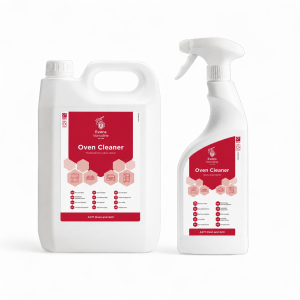
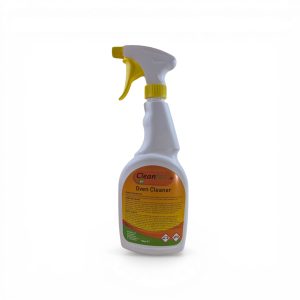
750 ml Trigger Bottles
The 750 ml format suits smaller teams, single-site kitchens and cleaning routines where controlled application matters. If you have one main oven, a small griddle, or a limited number of staff handling deep cleaning, a ready-to-use trigger bottle keeps the process straightforward.
This format also works well when the person cleaning needs easy handling. You can carry the bottle to the appliance, apply the product directly to the correct surface, and return it to storage after use. For cafés, small restaurants, staff kitchens and lower-volume food-service spaces, the 750 ml bottle can be a practical way to manage oven and griddle cleaning without holding more stock than you need.
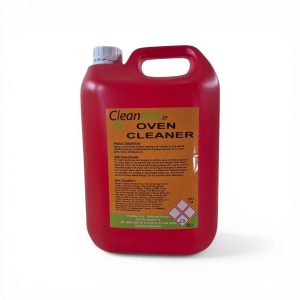
5 Litre Packs
The 5 litre format makes more sense when deep cleaning happens often or across several appliances. If you manage a busy kitchen, catering unit, hotel kitchen, school kitchen or multi-site facility, larger packs can support repeat use without frequent reordering.
This format is especially useful where cleaning is carried out by trained staff or a facilities team following a set procedure. You may have multiple ovens, griddles and cast iron hobs to clean, or several kitchen areas using the same product under one cleaning system. Larger packs can help you keep supply consistent across those tasks.
Extending Trigger
Each box of 2 x 5 litre packs includes an extending trigger. Oven interiors can be awkward to reach. A deeper oven often means leaning in, stretching your arm, and trying to apply product evenly across the back and side walls.
An extending trigger can help you apply the cleaner with better reach and control, especially when working from the back of the oven towards the front. It supports a tidier process and helps the user avoid unnecessary contact with treated areas.
Buying For Usage Patterns
Match the pack size to your cleaning pattern. Choose 750 ml bottles when you need convenience, smaller stock levels and direct application. Choose 5 litre packs when your kitchen has higher cleaning demand, several appliances, trained cleaning staff and suitable chemical storage.
Also consider staff training. A larger pack should sit within a clear system for storage, handling, PPE, labelling and use. The product has a three-year shelf life, so sensible stock planning can help you keep enough on hand without overfilling the cleaning cupboard.
Recommended products
Discover more alternatives and similar items.