
Food Safety: Vinyl vs Nitrile Gloves
Food Safety: Vinyl vs Nitrile Gloves Review
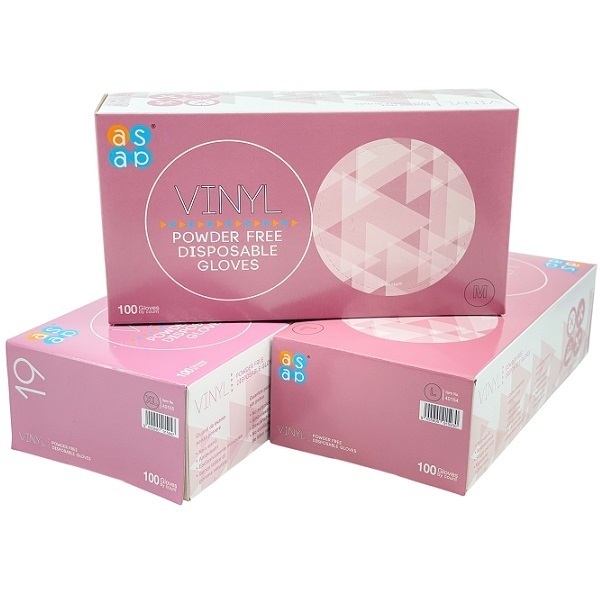
When it comes to food safety, governments and corporations around the world have been passing policies to phase out vinyl gloves from the process, pushing for PVC-free items. Why is this being carried out? Here is a look at the risks that the vinyl gloves pose to food safety.
Effect on human health
Here, one of the main concerns is phthalates that are contained in vinyl gloves. Up to 50% of the raw material that is used in the production of the gloves is sourced from plasticisers. These are because they make the PVC soft and flexible for wearing. The plasticisers contain phthalates such as DiNP, BPA and DEHP.
The phthalates can leach from products and get into the human body through different modes- including inhalation, ingestion, or absorption through the skin. They are not bound chemically to the PVC, thus the phthalates that come with the vinyl gloves can easily evaporate into the food that is being prepared. They are especially soluble in oils, butter and even meat.
Effects vary based on the contents that an individual has been exposed to. For instance, DEHP exposure is associated with neural behavioural and reproductive health issues, and even respiratory problems in children, and also contributes to the risk factors for metabolic diseases– in both adults and adolescents, like insulin resistance. Studies have shown that the PVC gloves used when preparing and packaging meals are a major cause of DEHP dietary intake.
There are also risks that come with regards to worker safety. This boils down to the structure of the vinyl gloves at a microscopic level, affecting their performance and barrier protection for food preparation tasks. For instance, without the cross-linking of the polymer, plus plasticisers in the structure that weaken the vinyl glove, there is a high tendency of micro-punctures forming. In fact, all it takes is a couple of flexes of the hand when handling the meals.
There are cases where leaking goes on unnoticed for a while as the worker carries on with their task. With 50-90 percent of the punctures going unrecognized, it increases the rates of contamination, compromising the food integrity.
Taking the nitrile glove route
These have gained prominence in food establishment for a wide range of reasons. First, unlike the vinyl gloves, nitrile is PVC-free. This avoids the risks stipulated above. In fact, there has been a global shift to usage of PVC-free products during food preparation. Nitrile also offers higher resistance to tears and punctures, while still being flexible and form-fitting to enable you to carry on with the task unabated.
Getting high quality nitrile gloves reduces the risks of food contamination that come with traditional alternatives, and the comfortable fit is key in reducing fatigue and trauma to the fingers and thumbs- especially for those cases where the gloves will be worn for longer periods of time. When purchasing nitrile gloves for your food preparation activities, ensure that you get units that are of the right size and thickness, in order to obtain optimal value for your purchase.
Food Safety: Vinyl vs Nitrile Gloves
0 Comments
Questions or feedback? Join the discussion below.
No comments yet. Be the first to comment.
Replying to