-150x150.png)

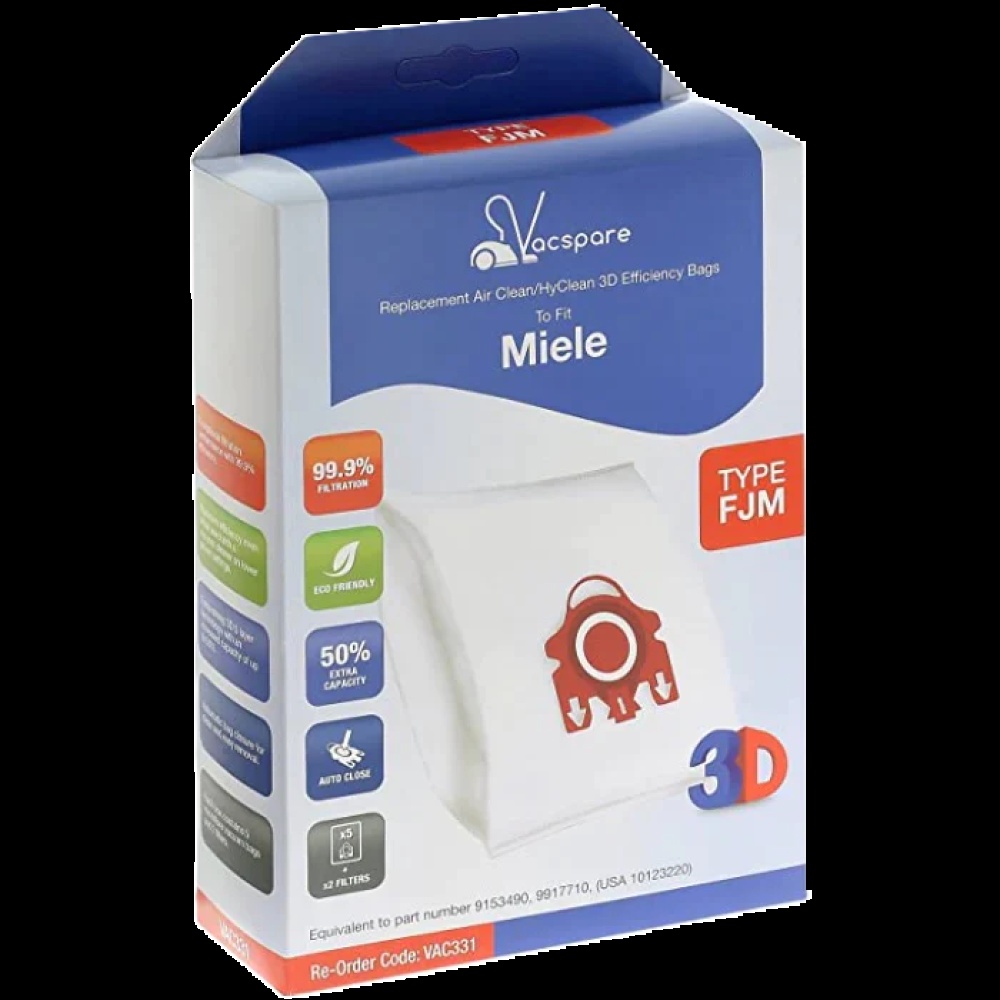
Vacuuming Power With Miele’s HyClean 3D Efficiency FJM Dustbags
Vacuuming Power With Miele’s HyClean 3D Efficiency FJM Dustbags
Vacuum cleaner dustbags have two critical roles: trapping the dust, allergens and dust, and also protecting the vacuum’s performance to keep your home’s air fresh and healthy. But not all dustbags are created equal. Generic options allow particles to escape during the cleaning, and others create messes during disposal. You want power and efficiency.
Enter Miele. When you think of premium home appliances, that’s one name that stands tall. With over 125 years of innovation and quality, this family-owned German brand has become synonymous with reliability. For vacuuming processes, they have provided the HyClean 3D Efficiency FJM dustbags, engineered to lock in dust particles securely, last longer and even work more with low-wattage vacuums. The dustbag is part of Miele’s AirClean filter system, which combines the dustbag, a motor protection filter, and an exhaust filter
Key Features Of HyClean 3D Efficiency FJM Dustbags
- Multi-layered system
Each layer of the HyClean 3D Efficiency FJM dustbag serves a specific purpose. The outer layer provides toughness, protecting the bag from sharp debris that could tear it. Meanwhile, the inner layers focus on filtration. These specialised layers work together to trap over 99.9% of fine dust particles, ensuring that even the tiniest specks don’t escape into your home.
Another plus for these materials is their combination of strength and flexibility. They’re designed to resist clogging, which means consistent suction power throughout the bag’s use. No sudden loss of performance. No frustrating clean-ups halfway through vacuuming.
- Automatic Hygiene Shutter
The dustbag seals automatically when you open the vacuum. This feature makes replacements cleaner and also protects you from exposure to allergens. It’s a small detail with a big impact on your cleaning routine.
- 3D Technology for Full Capacity
Traditional dustbags often suffer from uneven filling. Dust collects in one corner, leaving the rest of the bag empty and wasted. But Miele’s 3D technology solves this problem. The bags are constructed to expand evenly, allowing you to utilise their entire capacity, which saves money by reducing the frequency of replacements.
This design enhances dust retention, even when the bag is nearly full. So, whether you’re vacuuming pet hair, fine dust, or heavier debris, the bag ensures that everything stays securely inside. And since the bag maintains its structure, your machine’s performance remains consistent.
- Optimised for Low-Wattage Vacuums
The main goal of these vacuums is slashing your energy bills without sacrificing cleaning power. Yes, you can have a spotless home and keep some cash in your pocket. Less power consumption means a smaller carbon footprint too. Well, the HyClean 3D Efficiency FJM dustbags work with low-wattage Miele vacuum cleaners, for you to meet these goals..
Impact on Vacuum Cleaner Performance
Suction That Stays Strong
When vacuuming, there’s nothing worse than the machine losing suction halfway through a job. Many dustbags clog as they fill, reducing airflow and cutting suction power. But not the HyClean 3D Efficiency FJM dustbags. They’re designed to maintain optimal performance from start to finish.
The 3D technology with the dustbags expanding evenly plays a crucial role here. It prevents blockages and maximises their capacity. This means your vacuum cleaner doesn’t have to work harder as the bag fills up. It keeps running smoothly, delivering consistent suction power even when the bag is nearly full.
And it’s also about protecting your vacuum cleaner. Dust particles can be abrasive, causing wear and tear on your machine’s internal components. The HyClean dustbags prevent this by securely trapping dust before it reaches the motor or filters. This translates into fewer repairs, less maintenance, and a longer lifespan for your vacuum cleaner.
Energy Consumption
We all want a cleaner home, but no one wants sky-high energy bills. With the wrong dustbag, you’d experience weak suction and have to make multiple passes over the same area.
The advanced filtration system of the HyClean dustbags allows for maximum airflow, ensuring that even low-wattage vacuums operate at peak efficiency. By optimising airflow and filtration, the HyClean 3D Efficiency FJM dustbags make your vacuum cleaner more energy-efficient. Plus, the longer lifespan of the dustbags means fewer replacements, reducing waste. It’s a win-win for you and the planet.
The Importance Of Filtration
The average home accumulates 40 pounds of dust a year. That’s a swirling cocktail of allergens, pet dander, and dirt just waiting to mess with your air quality. And if your vacuum isn’t locking it down? It’s all coming right back at you.
Filtration is a core part of vacuum cleaners. It traps those pesky particles so they stay where they belong—in the bag, not back in your air. We’re talking about allergens like pollen, mould spores, and dust mites. These tiny troublemakers measure in microns—one-millionth of a metre, but with a solid filtration system you’ll keep them from slipping through the cracks.
Bagless vs Bagged Systems
- Bagless Systems
Emptying a bagless vacuum is a dusty nightmare. Every time you dump the container, you’re exposed to all the dirt you just cleaned up. Plus, their filters clog faster, reducing suction power.
- Bagged Systems
Bagged vacuums offer excellent dust capture with unmatched cleanliness. When you dispose of the bag, everything stays sealed inside. Miele’s HyClean 3D Efficiency dustbags take this further with an automatic hygiene shutter that locks dust and allergens in securely.
Why Bagged Systems Are Worth It
- Hygienic Disposal at Its Best: With bagged systems, you won’t keep wrestling with clouds of dust. The dustbags are sealed, so when you remove and toss them, the mess stays contained. Miele’s HyClean 3D Efficiency FJM dustbags even take this up a notch with an automatic hygiene shutter. It closes the bag the moment you open the vacuum, trapping all the dust and allergens inside.
- Longer-Lasting Performance: Unlike bagless vacuums, bagged systems maintain suction power for longer because their filters don’t clog as quickly. And Miele’s 3D technology ensures the entire bag is utilised, extending its lifespan and saving you money.
- Reduced Exposure to Dust: Bagged systems minimise your contact with dust, which is especially helpful if you’re sensitive to allergens or have respiratory issues.
The HyClean 3D Efficiency FJM dustbags can hold up to 20% more dust compared to standard vacuum cleaner bags, which is a win for both your wallet and your time. As for dimensions, these dustbags are tailored to fit Miele’s Complete C1, Compact C1, Compact C2, S6, and S4 vacuum models perfectly. The snug fit ensures no leaks, no misalignments, and no loss of suction.
How HyClean Dustbags Make A Healthier Home
With Miele’s HyClean 3D Efficiency FJM dustbags, you can breathe easier and enjoy a cleaner living space. Here’s how:
Allergen Containment
Allergens can be relentless. If someone in the household is sensitive to them, it’s more frustrating. Dust mites, pollen, mould spores—they’re all around, triggering sneezes, watery eyes, and worse.
Miele’s HyClean 3D Efficiency dustbags are proven to filter out such particles. Thanks to their multi-layered design, they trap even the smallest particles, including those measuring just 0.3 microns.
And because the bags work with Miele’s AirClean filter system, you get an added layer of protection for your indoor air.
Hygienic Disposal
Have you ever emptied a vacuum cleaner only for dust to scamp up into the air? It’s unhygienic and downright unpleasant. But Miele’s HyClean 3D Efficiency dustbags make messy replacements a thing of the past with its automatic hygiene shutter.
Without proper containment, you could undo all your hard work by releasing allergens back into the air during bag replacement. But with the HyClean dustbags, everything stays securely contained, protecting your air quality and your health.These dustbags also ensure you won’t come into contact with harmful particles like mould spores or fine construction dust.
Indoor Air Quality
Miele’s HyClean 3D Efficiency dustbags contribute directly to this by capturing and containing dust, they prevent particles from being released back into the air. This is particularly critical in homes with children, elderly residents, or anyone with respiratory issues.
A Legacy of Quality: The Miele Story
Now for a look at the brand behind these dustbags.
Founded in 1899 in Herzebrock, Germany, Miele began with just 11 employees, a handful of lathes, and a big dream. Carl Miele and Reinhard Zinkann weren’t here to play small. They started with cream separators and butter churns.
Then, in 1900, they dropped the Meteor butter churn, targeting farmers. By 1903, they were already disrupting the washing machine game with the Model A, featuring a lid-mounted agitator.
In the 1930s, Miele shook up vacuum design with the torpedo-shaped Model L. Sleek. Modern. Iconic. They were already setting trends that others could only dream of. Oh, and they didn’t just stick to vacuums—they dabbled in bicycles, dishwashers, and all kinds of household essentials.
Then came 1958. Miele rolled out its first electric tumble dryer, making laundry easier. By the 1980s, they were leading the pack again with computer-controlled washing machines. And they even opened the Miele Museum to show their incredible journey.
The guiding principle, “Immer Besser” (Forever Better), was their promise to outdo themselves and their competitors. It’s a philosophy that continues to shape Miele decades later.
A Global Presence with Family Roots
While most multinational companies go public and listings and all, Miele has stayed as a family-business. The Miele and Zinkann families still run the show, over a century later. Today, the brand operates in nearly 100 countries, with direct subsidiaries in about 50.
Every Miele appliance undergoes rigorous testing to ensure it can last up to 20 years of use. This commitment it’s backed by multiple awards, including the “Which? Large Kitchen Appliance Brand 2020” accolade.
For Miele, quality equals longevity, which extends to the HyClean 3D Efficiency FJM dustbags we’re looking at here.
Sustainability That Matters
Sustainability is baked into Miele’s DNA. Their factories have been carbon-neutral since 2021. Their appliances are built for longevity, which reduces the environmental impact of frequent replacements. They also stock spare parts for at least 15 years after a product is discontinued.
Miele even uses green steel, reducing emissions from manufacturing by over 66%. And they’re not stopping there. They’ve pledged to cut product-related CO₂ emissions by 15% by 2030.
Even their partnerships speak volumes. From supporting beekeeping initiatives to collaborating on self-sustaining homes, Miele walks the talk. They’ve even been honoured with sustainability awards across Europe.
So, when you pick Miele’s HyClean 3D Efficiency FJM dustbags, you’re choosing a brand that cares as much as you do.
HyClean vs. Generic Dustbags
Quality and Compromise
Generic dustbags are cheap. They’re everywhere. They seem like a steal.
But are they really? Generic bags lack the compatibility, performance, and reliability of genuine Miele dustbags. Made from inferior materials, they’re prone to tearing and leaking. That means dust escapes back into your home—and worse, into your vacuum’s motor.
Not so cheap when it wrecks your vacuum, is it?
In contrast, HyClean dustbags are engineered specifically for Miele vacuums. They fit perfectly, ensuring no leaks or suction loss. The automatic hygiene shutter is another feature generic bags simply don’t have, leaving you exposed to dust clouds when you empty them.
Performance is another area where generics fall short. Generic bags can’t compete with HyClean’s ability to trap dust particles, leaving you with subpar cleaning results.
Ultimately, generic bags might save you a few pounds upfront, but they’ll cost you in the long run. From reduced vacuum efficiency to potential damage to your machine, they’re simply not worth the risk.
Cost-Benefit Analysis
Are HyClean dustbags worth the higher price? Yes.
Let’s start with longevity. Thanks to their 3D technology, HyClean dustbags last up to 20% longer than many alternatives. This means fewer replacements and lower long-term costs. Combine this with their ability to maximise your vacuum’s efficiency, and the value becomes clear.
Next, consider the potential savings on maintenance. Using subpar or generic bags can lead to clogged filters, damaged motors, and costly repairs. HyClean bags, on the other hand, protect your vacuum cleaner. You must have spent a significant sum getting your vacuum in the first place, and you want it to last you for the long haul. Such bags enable you to make the most out of that investment.
Then there’s the question of health. By trapping allergens and fine dust, these bags contribute to better air quality, reducing the need for additional air purifiers or treatments.
Finally, think about convenience. The automatic hygiene shutter makes bag disposal clean and hassle-free. This isn’t just about saving time—it’s about avoiding the mess and frustration that come with lesser-quality alternatives.
So, while you might pay a little more upfront, the benefits—cleaner air, a healthier home, and a longer-lasting vacuum—are worth every penny.
How Much Dust Are You Living With?
It’s everywhere. On your floors, shelves, furniture, and even floating in the air you breathe. But what exactly is dust? And why does it matter so much to get rid of it?
The average home collects the equivalent of a large bag of dog food in dust every year. If you live in a six-room house, you’re dealing with around 1.5 kilograms of dust every single week. Most of it hides in carpets, soft furnishings, and those annoying hard-to-reach corners.
What’s worse? Up to 80% of that dust comes from inside your home.
- Dead Skin Cells: Humans shed about 1.5 grams of skin daily—enough to feed a million dust mites. Over time, skin flakes from everyone in your home (yes, even guests just dropping by for a quick lunch) become a huge chunk of your dust pile.
- Textile Fibres: Every step on your carpet, every shift on the sofa, releases tiny fibres. Curtains, upholstery, and clothes are all shedding material into your home’s atmosphere.
- Pollen and Plant Debris: Open a window or door, and in comes a wave of pollen. For allergy sufferers, these tiny invaders are a sneezing nightmare.
- Pet Hair and Dander: Pets naturally shed fur and hair. These strands don’t just land on furniture and floors—they break down into tiny fibres over time, becoming part of the dust mix. The more pets you have, the more shedding occurs, especially during seasonal changes.
Pet fur also carries outdoor particles like pollen, dirt, and bacteria into your home. Every time your pet rolls around or shakes their coat, they release these hitchhikers into your indoor environment. Plus they always on the move—jumping on furniture, scratching, and running through rooms. This stirs up existing dust and spreads pet hair and dander to areas you wouldn’t expect, like shelves or air vents.
- Soil and Outdoor Dirt: Muddy shoes, open windows, and even the breeze bring particles from outside straight into your living room.
- Mould Spores and Microbes: Dust is often a breeding ground for bacteria, fungi, and viruses. It’s not just unpleasant; it’s unhealthy.
- Dust Mite Faeces: Dust mites thrive in warm, humid environments, and their droppings are a leading cause of allergies. They feed on with the dead skin cells in your dust.
Tiny particles—smaller than 10 microns—can linger in the air for long. These particles often carry volatile organic compounds (VOCs), which irritate your lungs and eyes. Long-term exposure ups the risk of chronic illnesses like cardiovascular and respiratory diseases.
The World Health Organisation (WHO) estimates that fine particulate matter contributes to 7 million premature deaths annually. While your household dust isn’t the only cause, it’s a significant indoor source you can control. The solution is getting a high-quality vacuum system.
Vacuuming Frequency: Are You Cleaning Often Enough?
Just vacuuming once a week doesn’t cut it. There are several factors to consider, including your household’s unique needs, seasonal changes, and even the type of flooring you have.
- High-Traffic Areas: Hallways, living rooms, kitchens—these spots are dirt magnets. Aim to vacuum them 2–3 times a week. With people constantly walking through, dirt and debris pile up fast. The more people there are in the house, the more frequently you should do this.
- Bedrooms and Low-Traffic Spaces: Even in quieter areas, dust and allergens love to settle. Vacuum at least once a week to keep these zones fresh and healthy.
- Homes with Pets: Vacuum daily or every other day, especially where pets hang out most. They love curling up on couches. Don’t forget windowsills, and those patches on the floor where they bask for hours, as well as under sofas, beds, and tables.
- Households with Allergies: If someone in your home suffers from allergies, vacuum at least three times a week. Use a vacuum cleaner with a high-quality filtration system
Seasonal Changes: When to Vacuum More
The seasons impact how often you should clean. Here’s why:
- Spring and Summer: During spring, pollen levels spike, and open windows let allergens into your home. Summer heat can also increase dust and pet shedding. Vacuum every other day to keep allergens in check.
- Autumn: Falling leaves and damp weather can bring in dirt and debris. Increase vacuuming to 2–3 times a week, especially near entrances where outdoor particles are tracked in.
- Winter: Snow, mud, and salt can wreak havoc on your floors. Vacuum daily in entryways and once or twice a week in other areas to prevent grit from damaging surfaces.
Creating a Vacuuming Schedule That Works
Sticking to a schedule ensures that dirt never has a chance to settle.
- Daily Touch-Ups: For households with pets or small children, quick daily vacuuming in high-use areas can make a world of difference. Focus on carpets, rugs, and spots where crumbs and fur collect.
- Weekly Deep Cleans: Dedicate one day a week for a thorough cleaning session. Use attachments to tackle furniture, baseboards, and corners, and switch directions on carpets for maximum dirt removal.
- Monthly Maintenance: Once a month, move furniture and vacuum underneath to get those hard-to-reach areas. This prevents dust from building up over time.
Review your schedule every few months to match seasonal demands. Add extra cleaning sessions during allergy season or when muddy shoes are a constant issue.
Tips to Maximise Efficiency
- Use a Quality Vacuum Cleaner: Choose a vacuum with strong suction, reliable filtration, and versatile attachments. Miele vacuums, paired with HyClean dustbags, are perfect for capturing fine dust, allergens, and pet hair.
- Target Problem Areas First: Focus on entryways, under furniture, and near windows where dirt tends to collect.
- Don’t Forget the Edges: Dust loves to settle along skirting boards and in corners. Use a crevice tool to reach these spots.
By adjusting your schedule to suit your household, you’ll enjoy a cleaner, fresher space every day.
Pet Owners’ Guide to Vacuuming
Pets bring joy but also mess. If you’re tired of chasing tufts of fur or battling “wet dog” smells, you’re not alone.
- Pet Hair: Dogs and cats shed constantly. A single pet can shed up to 140 grams of hair weekly.
- Dander: These microscopic flakes of skin are a leading cause of allergies. Even if you don’t react to it, dander clings to furniture, carpets, and curtains, creating a layer of dust.
- Odours: From litter boxes to damp fur, pet odours can linger. They seep into soft furnishings, leaving your home smelling less-than-fresh.
The solution is consistent cleaning routines paired with powerful tools. For starters, the vacuum should have powerful suction and filtration systems. Look for tools like pet grooming brushes, upholstery tools, and crevice nozzles. Miele vacuums include attachments designed to remove fur from sofas, stairs, and tight spaces. Coupled with unitsl ike HyClean 3D Efficiency dustbags, you will be able to firmly tackle these challenges, ensuring a clean and pet-friendly home.
Daily touch-ups with your vacuum are necessary to quickly clean high-shed areas like pet beds, sofas, and rugs. This prevents hair from spreading to other rooms.Dedicate one day a week to vacuum carpets, furniture, and corners. Use a crevice tool to tackle baseboards and under furniture. Don’t forget to vacuum pet beds! For odour control, you can sprinkle baking soda on carpets and rugs before vacuuming. It absorbs odours and leaves your space smelling fresh.
Tips for Pet Mess Management
- Brush Your Pet Regularly: Daily brushing reduces shedding by up to 90%, making vacuuming easier.
- Keep Dirt at the Door: Place mats at entrances and wipe your pet’s paws when they come inside. This simple step reduces dirt tracked through your home.
- Wash Pet Bedding Frequently: Pet beds are hotspots for hair, dander, and odours. Wash them every week to keep allergens at bay.
Why Investing in the Right Tools Is Essential
Your home deserves better than “good enough.” No half-hearted solutions.
When you choose the right tools, you’re bringing more value to your space. A vacuum built for pet owners, for example, does more than suck up fur. It boosts air quality, gets rid of allergens, and helps you deal with odours.
Take Miele’s vacuums with HyClean 3D Efficiency dustbags. These are the full package—power, precision, and hygiene rolled into one. They’ll deal with the fur-covered furniture and pesky dander floating around.
Don’t let pet mess overwhelm you. The right tools make all the difference. Pair them with a bit of discipline, and your home stays pet-friendly and guest-ready.
Your pets will love it. Your guests will love it. And you’ll love it too.
Debunking Vacuum Myths
Myth 1: Higher Wattage Means Better Suction
While it’s easy to assume that higher wattage equals stronger suction, wattage simply measures energy consumption—not cleaning performance. A 2000-watt vacuum can be less effective than a well-engineered 900-watt model. Why? Because suction power depends on the design of the motor, airflow, and filtration system.
For example, Miele’s vacuums are engineered for maximum efficiency even at lower wattages. Pair them with HyClean 3D Efficiency dustbags, and you’ll experience powerful cleaning without wasting energy. These dustbags optimise airflow, ensuring consistent suction without the need for a power-hungry motor. So, if you’re trying to save on energy bills, don’t fixate on wattage alone.
Myth 2: Bagless Vacuums Are Always Superior
Bagless vacuums might sound convenient, but the reality isn’t so simple. While they save you from buying replacement bags, they come with hidden downsides.
- Dust Escaping: Emptying a bagless vacuum can release a plume of dust, exposing you to allergens and undoing your hard work.
- Clogged Filters: Bagless systems rely heavily on filters to trap debris. These filters often clog faster than expected, reducing suction and requiring frequent cleaning.
- Odours: Without sealed dustbags, pet hair and dirt can create lingering smells.
In contrast, Miele’s HyClean dustbags solve these problems. Their automatic hygiene shutter ensures no dust escapes during disposal. Plus, their multi-layered design traps over 99.9% of the dust, protecting your air quality and vacuum performance. With HyClean, convenience doesn’t come at the expense of hygiene or efficiency.
Myth 3: All Dustbags Are the Same
Generic or low-quality bags may be cheaper, but they often tear, leak, or fail to filter fine particles effectively. Worse, they can damage your vacuum cleaner by allowing dust to reach the motor.
Miele’s HyClean dustbags are in a league of their own. Made from multi-layered, high-quality materials, they’re designed to withstand heavy use while maintaining optimal filtration. Their 3D technology ensures maximum capacity, saving you from frequent replacements.
Myth 4: Vacuums Don’t Impact Air Quality
A poorly designed vacuum can make your air quality worse. Yes, worse. How? Fine particles like dust, allergens, and even bacteria can escape back into the air if your vacuum doesn’t have proper filtration. So instead of cleaning, you’re basically creating a dust storm in your home. Investing in a vacuum with effective filtration—like Miele’s locks in those harmful particles, keeping your air fresher and healthier.
Myth 5: You Don’t Need Special Attachments
Using the wrong tool can scratch surfaces, miss dirt, or waste your time. The right attachment, on the other hand, brings more efficiency to your operations. You need:
- Crevice nozzles for tight, hard-to-reach spots.
- Upholstery brushes to keep your furniture looking great.
- Turbo brushes to annihilate stubborn pet hair.
It’s the whole package that makes the vacuuming system deliver. Add Miele’s HyClean 3D Efficiency dustbags to this, and you will clean effectively. It’s an investment in health, hygiene, and smarter living
0 Comments
Questions or feedback? Join the discussion below.
No comments yet. Be the first to comment.
Replying to