
Protection From Gloves: Factors To Consider
Protection From Gloves: Factors To Consider
Sure, the core purpose of gloves is to protect the wearer from effects of the substances they come into contact with- be it contamination from blood borne pathogens, reactions to chemicals in labs, all through to pathogens during medical examination. What about the protection of the wearer from the gloves themselves? This is a critical aspect that determines the types of gloves that one purchases.
Take skin occlusion for instance. While gloves provide a barrier against the environment, they also enclose the skin in its own tight-fitting environment. As such, the skin will not be able to “breathe” normally. In this tight enclosure, the hands will start warming up naturally- which accelerates depending on the activities that are being carried out. As the hands get warmer, sweat pores open, and the rate of perspiration increases. How much one sweats will vary from one individual to another, the surrounding conditions, and the heat barrier that is formed by the glove itself. Basically, heat will dissipate through thinner gloves faster than the thicker ones. In cooler rooms, one will naturally sweat less.
How Perspiration Affects The Skin
What happens with all that sweat? When enclosed within the glove, it doesn’t really have anywhere to go. As such, the hands will be basically bathing in perspiration for the duration in which the gloves will be worn. This results in excessive hydration of the cells of the skin, leading to the outer tissue becoming friable and porous- especially when this continues for extended periods. In this state, the skin can easily get damaged, and it requires sensitive care when washing and drying it.
Going for a pair of gloves that has a slightly larger size than the hands themselves will be helpful in this case. They will allow more circulation of air around the hands, which will keep them drier over a longer time. Glove liners can also come in handy, as they will absorb the moisture that is generated- and they are replaced as needed. Remember to apply a moisturiser afterwards to protect the skin.
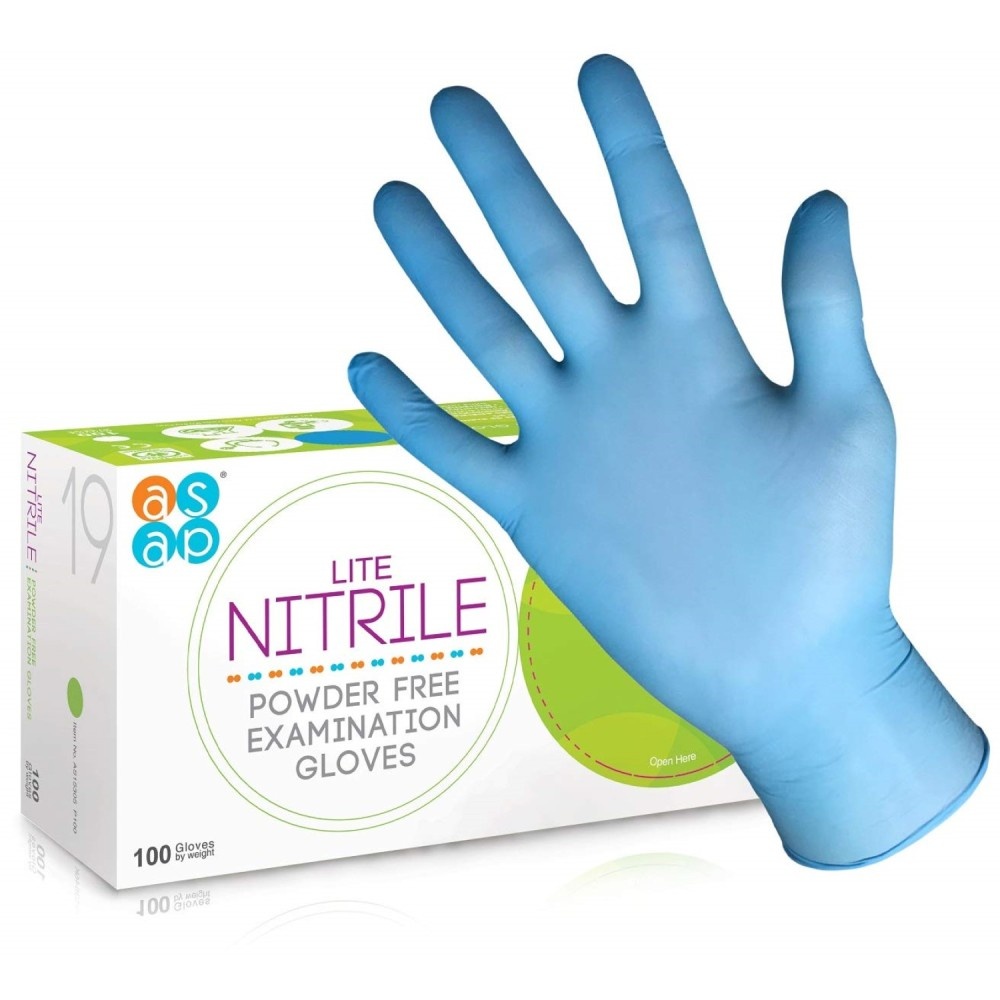
The sweat can also cause materials to leach from the gloves. If this goes on for long, dermatitis can result. This is especially the case for latex gloves, which come with latex proteins, antioxidants, chemical accelerators and plasticisers. These compounds are skin sensitizers, and will leach from the gloves onto the skin. In fact, skin conditions caused by latex gloves are prevalent within the medical field. This has seen the push for powder-free units, and adoption of alternatives like ASAP nitrile gloves to protect the wearer.
Extra Care For Your Skin
It’s not just about the sweat. Simple day-to-day measures also come into focus. Take handwashing for instance. Remember that any chemical that ends up on the skin before wearing the glove may become a sensitizer upon exposure for an extended period, a factor which will be accelerated by the high levels of humidity within the gloves. As such, when you wash your hands- be it after visiting the washing rooms, or in between glove changes, ensure that you dry the skin thoroughly. This can be done with a hot air dryer, quality paper towel, or a soft hand towel. Certainly, the hands should be properly rinsed after washing with soaps. You don’t want to trap soap residue under the glove, as it may irritate the skin.
Protection From Gloves: Factors To Consider
0 Comments
Questions or feedback? Join the discussion below.
No comments yet. Be the first to comment.
Replying to