
Turning To Composting To Manage Organic Waste
Find Out Why Many Companies Are Turning To Composting To Manage Organic Waste
Where does the food waste generated in your household go? The vegetable and fruit peels, those coffee grounds and tea bags, plus the kitchen scraps that are tossed into the bin- what is their final destination? Many are of the mindset that as long as it has been thrown away, it will decompose and revert to the environment, no harm no foul. It’s not that simple.
Organic waste in landfills
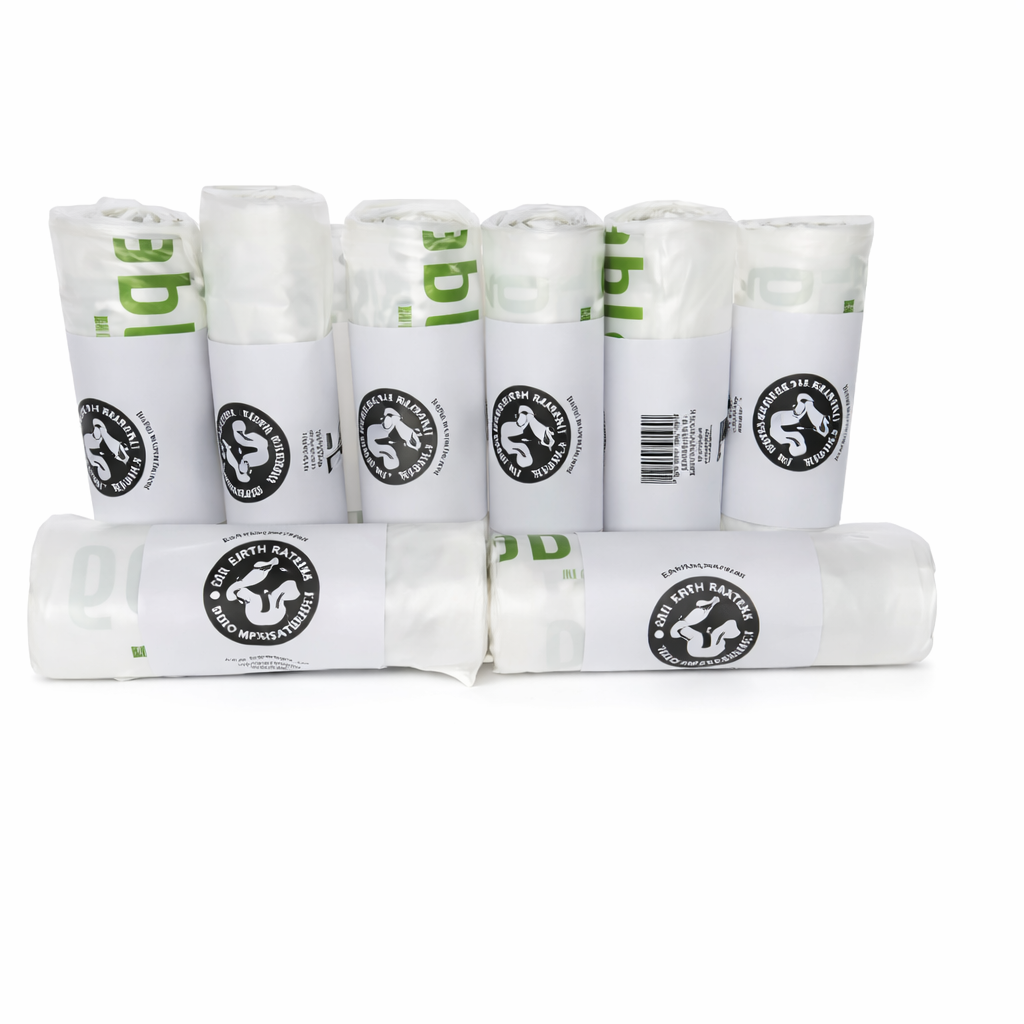
They are one of the largest direct human contributors to methane emissions. This is particularly related to organic waste. The food material, paper products, coffee grounds and other organic substances taken to landfills is a problem. Yes, it is biodegradable. However, how this is done results in methane production- a gas that traps more heat than carbon dioxide, thus having a greater greenhouse effect. The organic waste is degraded anaerobically, with this action producing the methane gas. Diverting the organic material from the landfills is key in preventing this from happening. This can be attained by disposing of the convenient through bin bags such as the Earth2Earth Clear Compostable Sacks 18″ x 18″. The waste gets sent off to composting facilities, where it gets converted into harmless by-products and biomass that can be used to replenish the soil.
The plastic problem
Why are people turning away from conventional plastic bin bags? They never biodegrade. Instead, they break down over time into smaller fragments, due to exposure to the elements and mechanical stresses. As they break down, the toxic additives in the material- the likes of flame retardants and plasticizers, get released into the environment. The microplastics in the ecosystem wreak havoc to both humans and animals. Whole bags or tiny pieces of plastic are consumed by birds, livestock and marine life, affecting the organisms. Take sea turtles for instance. One of their main foods is jellyfish- which is difficult to distinguish from plastic bags floating around in the ocean. They end up consuming the latter, which blocks their digestive tracts. The trapped food then releases gas, making the turtles buoyant, preventing them from diving for more food. What’s more, when the sea turtles consume plastic instead of their primary diet of jellyfish, their glucose levels plummet, meaning they have less energy to migrate or reproduce. Consequently, plastic pollution ends up costing lots of sea turtle their lives. They aren’t the only ones affected. Whales have washed up on beaches with their bellies full of plastic material. There have been plenty of documented images of sheep, camels and even endangered desert animals dying due to consuming plastics. There is an increased emphasis on reducing the amount of plastic, which spans to waste management. Using bin bags like the Earth2Earth Clear Compostable Sacks 18″ x 18″ enables you to ensure that the waste is effectively disposed of without adding to the plastic problem in the environment.
What You Get From The Earth2Earth Clear Compostable Sacks 18″ x 18”
- Reducing your carbon footprint
While your main goal is getting rid of the waste from the premises, you don’t want to harm Mother Nature in the process. With the Earth2Earth Clear Compostable Sacks 18″ x 18″, you get to meet the waste disposal requirements of your establishment without posing a risk to the environment. What’s more, since one of the by-products of the material being biodegraded is biomass that can be used to improve soil health, you end up having a net positive impact on the environment. Since composing is part of the organic farming process, it also reduces the reliance on artificial fertilisers. Aspects such as the water retention of the soil are improved, and the plant root network gets a boost.
The Earth2Earth Clear Compostable Sacks 18″ x 18″ will hold the waste that is generated in the household, being sturdy enough to handle the material without tearing. It is quickly and easily lifted off the bin once full, and the packaging, where there are 500 per box, enables you to have units ready to replace it. Commercial facilities, from office buildings to entertainment centres where you want a compostable sack for the snacks and other food material that keeps being tossed away by visitors, will also benefit from this unit, enabling eco-friendly waste disposal.
Turning To Composting To Manage Organic Waste
0 Comments
Questions or feedback? Join the discussion below.
No comments yet. Be the first to comment.
Replying to