
Surface Protection With The Faber AC 300
Heavy Duty Surface Protection With The Faber AC 300
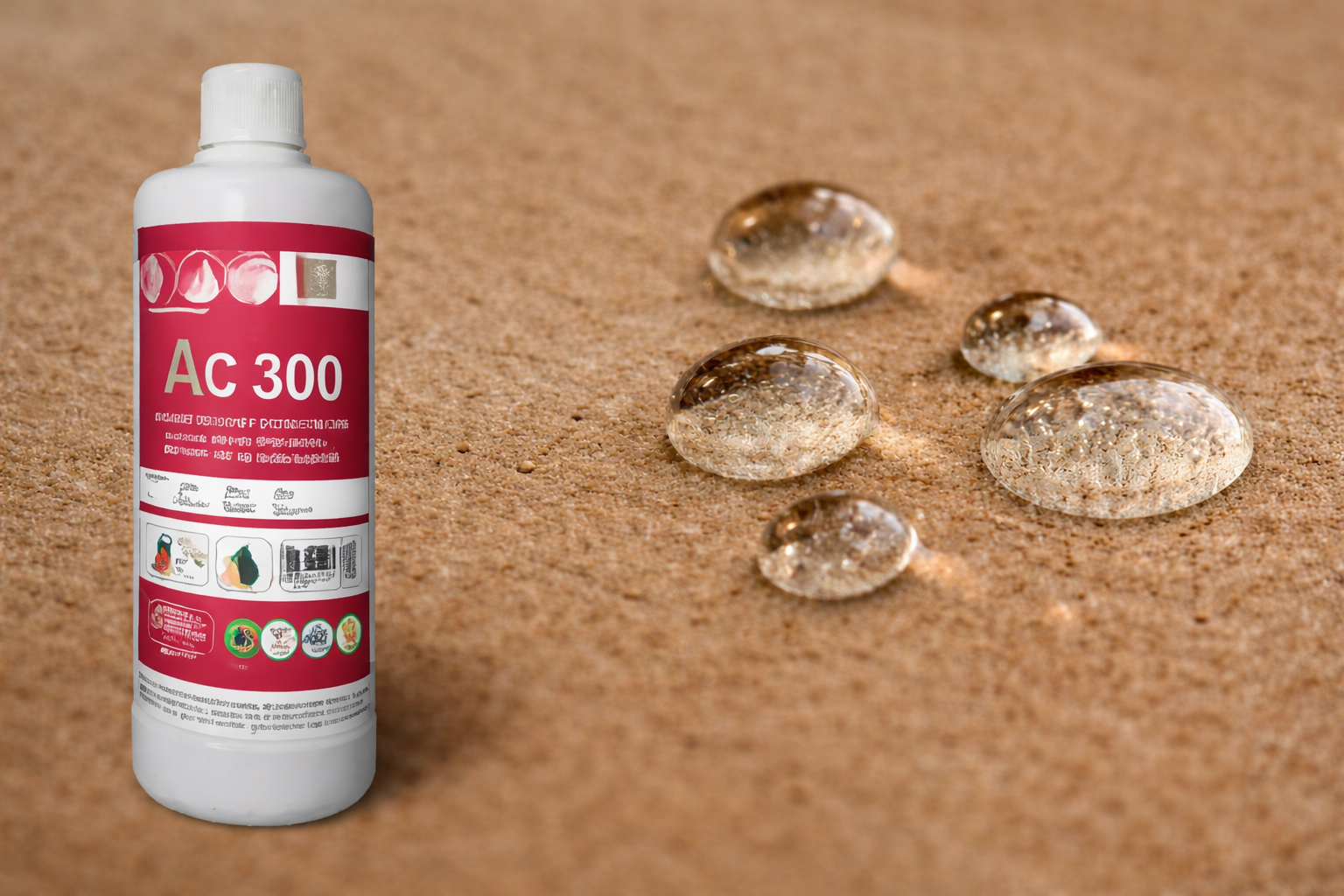
This is a water-based formulation that has been developed to protect against the havoc that is brought about by moisture, especially on highly absorbent materials such as cotto and terracotta. Issues like rising damp, the accompanying problems of efflorescence and the ground salts that are brought up through the porous stone and deposited onto the surface, the materials used peeling and detaching, dark marks that are unsightly being formed, all through to cases of mold and algae growth- these can ruin the installation.
Both the beauty and structural integrity of the installation are on the line, which you don’t want to be the case- especially after spending so much time and resources getting the set up that meets your decor needs at home, and gives your business a professional image. The Faber AC 300 is a water repellent unit that is applied to the material to ward off these effects. It penetrates into the structure, bonding with the stone without leaving behind a surface film.
That way, the breathability of the surface is maintained. Attributes such as the color, and original appearance of the stone are not affected. The product also does not affect the bonding process with the adhesives that are to be used. Moreover, it has resistance to UV rays, and thus will not end up yellowing over time.
This water repellent nature comes with a wide range of benefits. First, it protects the material, enabling you to avoid hefty repair costs. Secondly, it cuts down the drying time required after the washing process is carried out after laying the tiles and grouting them. Speaking of which, the protection provided by the Faber AC 300 also prevents the grout from staining the treated material. The formulation also has the welcome benefit of reducing your workload when it comes to the routine cleaning process.
How To Use The Faber AC 300
Here, different tools can be used for the application. It depends on the area you’re working on, and what is more convenient for your situation. Brushes, rollers, a lambswool applicator, and even spray tools can be used. In some cases, one simply dips the tiles into a bucket of the solution. Follow these steps to treat the surface with the Faber AC 300:
- Clean the area. Removing the dirt and grit on the surface is vital to prevent it from interfering with how the product bonds to the surface. After cleaning it, ensure that it is dry, as the Faber AC 300 should not be applied on wet surfaces. While it can still be used to treat areas that are slightly damp, the ideal situation is having the surface being as dry as it can be.
- Dilute the Faber AC 300. If you’re working on industrial or glazed cotto, use a 1:2 dilution ratio, i.e. 1 part product, 2 parts clean water. For the cases of handmade cotto, or the surfaces that are absorbent, use a 1:3 dilution ratio.
There are different situations for the application that are as follows:
Here, the tiles are being treated with the Faber AC 300 before being laid. For this case, the solution that has been prepared is held in a bucket or alternative container that has the capacity of holding the tiles. One tile is immersed at a time, then given 10 to 15 seconds dwell time within the solution. It is taken out and then aired out to dry. You can simply place it on a nearby surface where there isn’t commotion.
For those cases where you’re treating tiles that have a low absorbance due to being very compact, you may be required to use a brush after lifting out the tile from the Faber AC 300 solution. This is to even out the residue on the tile.
Note that while the tiles will look dry a short time after you’ve removed them from the solution, you should still give them 24 hours before proceeding with the installation.
-
Post-installation treatment
Use the preferred tool, e.g. brush or roller, to apply the Faber AC 300 onto the surface. Ensure that you have applied an even layer covering the entire surface being worked on. When treating surfaces that are highly absorbent, you can apply it abundantly.
Allow it to dry, which will take little time.
- With the low-absorbency materials, there may be slight residues that are left behind on the surface. Simply redistribute them using a clean and dry cloth, or a lambswool applicator.
After you’re done, wash the equipment that you have used with water.
-
Industrial application
This is for manufacturing plants that develop the tiles, and are looking to treat them before releasing the products to the market. Here, specialized equipment is needed based on the particular industrial production line. Faber’s technical division will work with the specific client to provide the solutions and formulas to use to optimize the process.
Extra Tips For Working With The Faber AC 300
- It’s recommended that you apply the Faber AC 300 before you grout the tiles. This will increase the effectiveness of the protective treatment. On that note, the grouting should be carried out after waiting for at least 24 hours after treatment. In addition, wait for the adhesives used when laying the tiles to cure.
- In case you’re applying the Faber AC 30 on surfaces that have already been grouted, first wait for the grout to completely cure before proceeding with the treatment.
- Remember to protect the surrounding areas that are not to be treated during application.
- If the area that has been treated with Faber AC 300 undergoes worksite washing, give it 24 to 48 hours before you apply any follow-up treatment.
- Surfaces being worked on shouldn’t be overly heated. The ideal temperature arrange is from 5 to 40°C
- When it comes to maintenance, products from the same brand can be used. For instance, for routine cleaning, Faber Neugel is recommended. For the case of worksite cleaning, work with Faber Disycott. Situations where tougher cleaning measures are required, the Dec 21, Decera P, or even the Disycott itself can be used, which will depend on the type of surface you’re working on. You may desire to enhance the stain-proofing attributes of the surface that has been treated with the Faber AC 300. For this, you can use formulations like Hidro 150, ATS 60, or the Pro TW Lux, all from Faber.
Surface Protection With The Faber AC 300
Recommended products
Discover more alternatives and similar items.
_5nd-300x300.jpeg)
-300x300.jpeg)
-300x300.jpeg)
-300x300.jpeg)
-300x300.jpeg)
0 Comments
Questions or feedback? Join the discussion below.
No comments yet. Be the first to comment.
Replying to