
Faber Tile Cream 5L
-500x500.jpeg)
Restore shine and remove scratches with Faber Tile Cream 5L, a powerful water based formula that repairs dull patches, evens colour and seals surfaces for lasting protection. Ideal for ceramic and porcelain tiles, it delivers professional results and improves gloss in both domestic and commercial spaces.
(€93.90 ex. VAT)
SKU#: 020400029
5 in stock
Dispatch within 12 Hours: Your order will be shipped quickly.
Quality Guarantee: Professional-grade cleaning products meeting industry standards.
Click & Collect: Mon–Fri, 7 AM – 3 PM pickup available.
Bulk Order Savings: For larger quantities, call us at 1800 848 700 to get a better price.
Our customer representative is ready to help.
Call for immediate assistance at 1800 848 700
Restore Ceramic And Porcelain Tiles With Our New Faber Tile Cream 5L
- water based cream suitable for restoring gloss on polished floors
- it will fill up small scratches & it will repair dull patches & seal
- suitable to use on porcelain tiles, ceramic tiles & agglomerate
- to be applied with a low speed floor buffer and a white floor pad
- it will even up colour differences between tiles & it will increase gloss
- suitable for light domestic traffic and heavy duty commercial use
Faber Tile Cream | Safety Information
Designed for professional use. Always follow the manufacturer’s instructions and safety guidelines. Gloves and eye protection should be used. Store in a safe place out of reach of children.
Faber Tile Cream Review
Scuff marks and scratches on surfaces in homes and businesses, caused by shoe scuffs, appliance skid marks, pet activity, and daily wear, can make areas appear unkempt and dull, negatively impacting decor. To restore beauty and maintain a pleasing environment, using the right product, such as Faber Tile Cream, can effectively address these issues.
Benefits Of The Faber Tile Cream
-
Restores worn out surfaces
The Faber Tile Cream is formulated to provide ultra-fine abrasion to the surface. This enables it to bring back the lost charm to areas that are affected by scuff marks and light scratches, matt areas, plus also those sections that are discoloured. It will get rid of the blemishes without taking away the original look of the surface being treated. When used on polished quartz or porcelain stoneware it evens out the appearance of the surface, reversing the effects of wear that are brought about by foot traffic.
On the porcelain ceramic surfaces, including those that are lapped, the Faber Tile Cream comes in handy to restore the beauty of the floors that had lost their shine as a result of the foot traffic handled on the premises. It boosts the shine of the surfaces, and can also be used to soften textured materials which may have rough sections.
-
Smooth results
The Faber Tile Cream enables you to obtain a uniform finish. This water-based formulation does not form any defects by overlapping. Coupled with the shine that is obtained, you get to bring back the vibrance to your installation. The product is suitable for use for both indoor and outdoor applications. You can rely on it to restore the glamor to your glazed ceramics, polished, natural, lapped and textured porcelain stoneware, and also agglomerates such as quartz-resin flooring.
-
Enhancing the efficiency of the polishing process
During floor finishing, the Faber Tile Cream can come in at the final stages of the process. This is especially for those situations where the mechanical polishing units would be cumbersome to handle, and not feasible, or you simply want to reduce the amount of resources being spent. It prepares the surface to the finer stages of polishing and the treatments that are to follow.
-
Makes the cleaning process easier
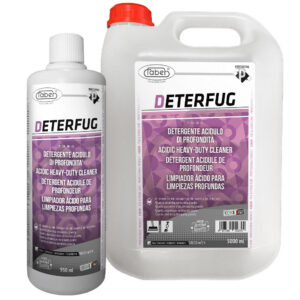
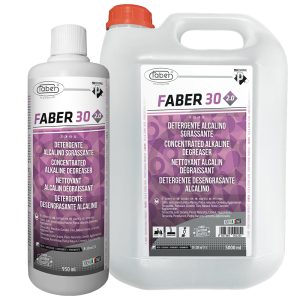
The Faber Tile Cream also comes with protective attributes. For instance, by sealing the surface, it increases the resistance to soiling. Preventing dirt from adhering to the surface underneath enables it to make the cleaning process a breeze. For routine cleaning, it’s recommended that you use Faber AlgaFloor. For those situations which call for more cleaning power, then the Faber 30 or Deterfug unit can be used, depending on the type of dirt that you want to get rid of.
-
Quick treatment process
The Faber Tile Cream is applied onto the floor using equipment like single disc machines. The process is pretty straightforward. Simply scoop some of the product and pour it onto the floor. Generally, 2/3 spoonfuls will do for every 2m² of surface. Add some water to it. Use a 1:1 ratio (each spoonful of cream with a spoon of water). Proceed to spread the product over the target area, working it into the surface with the single machine, which should be set to 150 – 200 rpm.
This is done until the desired result is obtained. After that, simply vacuum up any residue that is on the surface, rinse it with plenty of water, and you can resume using it. There won’t be an extra waiting time being required. Once you’re done, the equipment used can be cleaned with water.
It is recommended that you work in smaller and more manageable sections at a time, such as 2m² areas. This will make it easy to ensure that you have made enough passes over the area, and to accurately observe the results. Usually, each part just needs 15 to 25 passes to restore the shine.
Here, the main factor is the type of surface being handled. To check your progress as you treat the surface, you can remove some of the product using a tool like a squeegee mop. In addition, the floor should be given a thorough clean before treating it with the Faber Tile Cream, as any dust and dirt present will affect the quality of the results.
-
Pocket-friendly
With the Faber Tile Cream, you are able to save on your building’s maintenance costs. It comes in affordable 5kg bottles, with each box of packaging having 4 bottles. In addition, it has a wide coverage rate, with each kilogram of product being used to treat 40-50m² of surface.
You can have the peace of mind that you’re getting value for your money, as this is a unit from a world-renowned brand, whose products have been serving consumer needs for over 3 decades now. Faber supplies builders, cleaners, repair and maintenance companies, DIY enthusiasts, business and homeowners all over Europe, Asia, to Saudi Arabia and Gulf nations. That huge demand is as a result of the quality that the formulations provide.
DOs And DON’Ts Of The Faber Tile Cream
- DO shake the bottle before use.
- DO ensure that the creamy consistency of the product is retained as you apply it on the surface. If you notice it beginning to dry, simply add more water to it.
- DO perform a spot test on an unexposed area if you are uncertain of its compatibility with the product.
- DON’T apply the Faber Tile Cream on the surface when it is wet.
- DON’T carry out the task when the surface is overly heated. It should be within a temperature range of 5 and 40°C
Achieve a flawless finish with Faber Tile Cream 5L, a specialist restoration cream that revives polished tiles and restores their natural shine. Its unique formulation works to reduce visible wear, smooth surface texture and improve overall appearance without damaging the material. Ideal for high traffic environments, it also seals surfaces to resist dirt and simplify cleaning. Designed for use with floor buffing equipment, it offers a fast and effective alternative to costly refinishing, making it a reliable choice for maintaining both residential and commercial tiled surfaces.
Bring tired surfaces back to life with Faber Tile Cream 5L, a powerful water based solution designed to restore gloss and smooth out imperfections on porcelain and ceramic tiles. This advanced formula fills fine scratches, repairs dull patches and evens out colour differences for a consistent finish. Suitable for both domestic and commercial spaces, it enhances shine while sealing the surface for easier maintenance. Unlike standard cleaners, it delivers professional grade restoration with minimal effort, helping extend the life of your flooring while maintaining its original beauty and appeal.
0.0
0 Reviews
Submit Your Review
More Products From Faber Marble Care Products | Faber Products
Discover high‑quality cleaning products from the same trusted brand.
-300x300.jpeg)
-300x300.jpeg)
-300x300.jpeg)
_4nd-300x300.jpeg)
-300x300.jpeg)
-300x300.jpeg)
Related Products
Discover more alternatives and similar items.
-300x300.jpeg)
_3nd-300x300.jpeg)
-300x300.jpeg)
-300x300.jpeg)
_2nd-300x300.jpeg)
_3nd-300x300.jpeg)