
Sofa Cleaning Shampoos
Best Sofa Cleaning Shampoos
Our company receives a lot of calls from the domestic market and from the commercial sofa cleaning market asking the same question, do you have a good sofa cleaning shampoo? Which one works the best?
That is like asking a car dealer to sell you a good car. You will be asked, are you looking for a family car, are you looking for a hybrid, are you looking for a truck, are you looking for a new car, a sports car, a powerful car, an economic car, etc. Pretty much the same applies within the sofa cleaning trade, there are multiple types of sofa cleaning shampoos available at different levels of strength and effectiveness.
What type of material do you plan to clean?
Most fabric sofas are made from either natural fibres, synthetic fibres, or blends of several materials. The most common upholstery materials include:
Cotton | Soft, breathable and comfortable, but absorbent and susceptible to staining and shrinkage.
Linen | Natural, breathable and attractive with a distinctive texture. It can crease easily and requires careful cleaning.
Wool | Warm, durable and naturally resilient. Wool upholstery normally requires wool-safe, controlled-pH cleaning products.
Polyester | One of the most common synthetic sofa fabrics. Durable, relatively stain-resistant and generally suitable for wet cleaning when manufacturer-approved.
Nylon | Strong, resilient and abrasion-resistant, frequently blended with other fibres.
Acrylic | Synthetic material designed to provide a soft, wool-like appearance while offering good durability.
Olefin (Polypropylene) | Hard-wearing synthetic fibre with good moisture and stain resistance.
Viscose | Rayon | Soft material with an attractive appearance but highly sensitive to moisture, agitation and incorrect cleaning.
Velvet | A pile fabric that may be manufactured from cotton, polyester, viscose, silk or blended fibres.
Chenille | Soft, textured upholstery commonly manufactured from cotton, polyester, rayon or blends.
Microfibre | Microsuede – Very fine synthetic fibres, usually polyester, producing a soft, suede-like surface.
Other sofa materials include silk, suede, faux suede, bouclé, corduroy, jacquard, tweed, canvas, damask and mixed-fibre upholstery. The exact fibre composition should always be identified before professional cleaning.
What type of sofa cleaning shampoo do you plan to use?
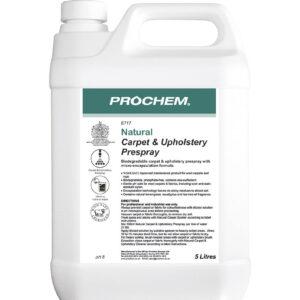
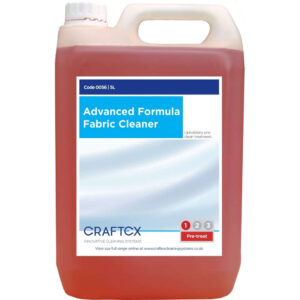
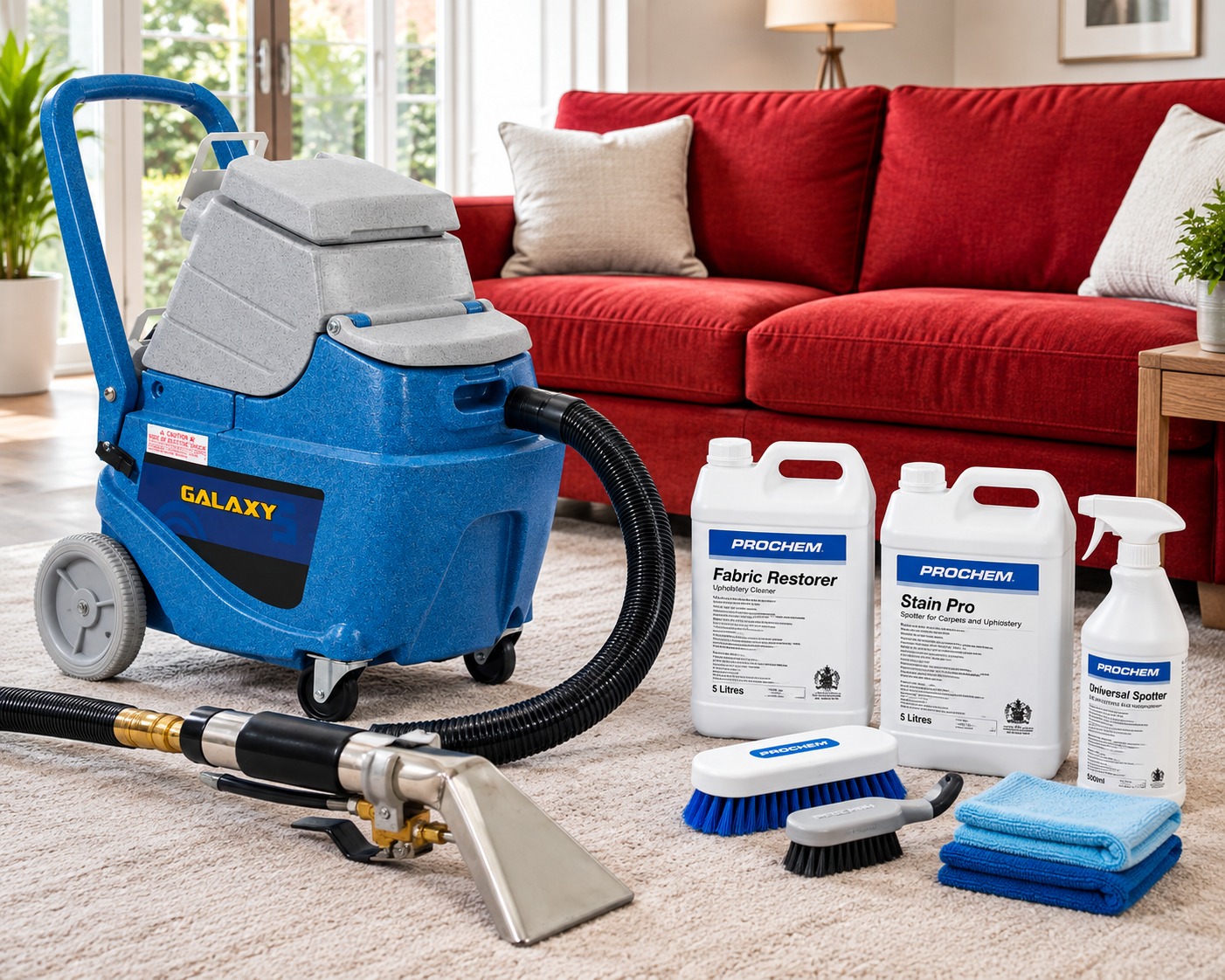
Cleanfast.ie sells a wide range of sofa cleaning shampoos, sofa cleaning pre-sprays, sofa stain removers, sofa deodorisers, sofa odour neutralisers, sofa protector or, a mixture of a few of the products listed above in one product. Our company is the official distributor for Prochem, Craftex, Njord, and Cleanfast. We have a number of highly effective sofa cleaning shampoos and sofa cleaning powders for all kinds and all types of fabrics:
PH neutral sofa cleaning shampoos | These products are very soft and usually very safe to use on all types of sensitive sofas. These products are generic and are compatible with most types of sofas but if the sofa is really dirty, it might not provide the best results at a low PH rate.
Woolsafe sofa cleaning shampoos | These products are usually used to wash and maintain highly sensitive fibres, wool sofas and the types of materials that run the risk of colour bleaching or shrinking in contact with the water.
High ph sofa cleaning shampoos | Some sofas are manufactured from heavy duty base materials that are unaffected by harsh chemicals, heat or intense scrubbing. In those cases, you can use a high ph sofa cleaning solution that is likely to remove ingrained dirt and residue better than any type of detergent.
Sofa cleaning detergent + disinfectant | Some sofa cleaning detergents contain high levels of disinfectant and can usually be used to deep clean and disinfect badly affected sofas or sofas that were exposed to a lot of sick people or some contamination. The sofa will be washed as usual but it will do two jobs at once.
Sofa cleaning shampoo + odour neutralising | Some of the most popular sofa cleaning shampoos contain high levels of odour neutralisers and bactericidal deodorisers that are capable of cleaning and getting rid of all kinds of unpleasant odours.
Sofa cleaning detergent + protector | Some sofa cleaning shampoos are sold with an added protector within its composition. After the sofa gets washed, the protector will start working straight away and it will prevent the sofa from getting dirty as fast as before.
Are you washing your sofa with a shampoo or a dry sofa cleaning system?
Sofa shampooing is a wet cleaning method designed to remove embedded dirt, body oils, food residues, stains and odours from suitable upholstery fabrics. A professional upholstery detergent is applied to the sofa, gently agitated where required and then extracted using specialist equipment. The extraction process removes the cleaning solution together with suspended dirt and contamination. Sofa shampooing can provide a deeper and more intensive clean, particularly for heavily used or noticeably soiled upholstery. Because moisture is involved, the sofa requires sufficient drying time before normal use.
Dry sofa cleaning uses very little moisture and is generally selected for fabrics that cannot tolerate conventional wet cleaning. Specialist dry cleaning solvents, low moisture compounds or other manufacturer approved products are used to loosen and remove contamination while reducing the risk of water related problems.
The main difference is therefore the amount of moisture used and the type of upholstery being treated. Shampooing is normally preferred for suitable wet cleanable fabrics where deeper extraction is required, while dry cleaning is particularly useful for delicate, moisture sensitive, shrink prone or dye sensitive materials. The correct cleaning method should always be determined by the sofa manufacturer’s instructions, fabric composition, construction and colourfastness.
Do you get it now?
As we have mentioned above. There are no good or bad sofa cleaning shampoos. There are no manufacturers out there that are making bad sofa cleaning detergents on purpose. Every single product is good at what it was designed for. Using a very soft and highly deodorised sensitive fabric cleaner to deep clean a badly stained pub sofa for example, it will be pretty much pointless.
While the low PH highly deodorised sensitive fabric detergent will work a treat on fancy sensitive fabrics, it will not work on commercial sofas. Also, some products are highly concentrated, while others have a very low dilution rate. Respecting the dilution rate is essential if you want to make a profit as a contractor or achieve decent results as a DIY user.
Can I just buy a product that does it all?
You can, but you might end up damaging some fibres. A high PH sofa cleaning detergent will definitely break down the dirt from all types of fibres, but it could also mess up the sensitive colours on rugs, mats, classy upholsteries and others. The sofa cleaning trade is very particular and a lot can happen when the wrong products are used.
Do your homework
Even if it sounds very complicated and confusing, the actual selection process is straight forward. Find out what type of sofa you own, if it is made from a very sensitive material and if it can be washed with wet or dry sofa cleaning technology. For highly sensitive and antique sofas use the woolsafe neutral PH sofa cleaning shampoos, for non sensitive fibres use any other type of sofa cleaning shampoo and for dry sofa cleaning use a special foam dry cleaner.
If you are just about to start your own sofa cleaning company and if you are looking to learn more about the newest technologies and most effective products, please call us or email us today.
Recommended products
Discover more alternatives and similar items.