
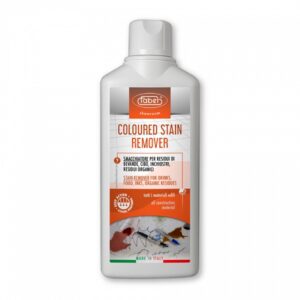
The Faber Coloured Stain Remover
Getting Rid Of Stubborn Spots With The Faber Coloured Stain Remover
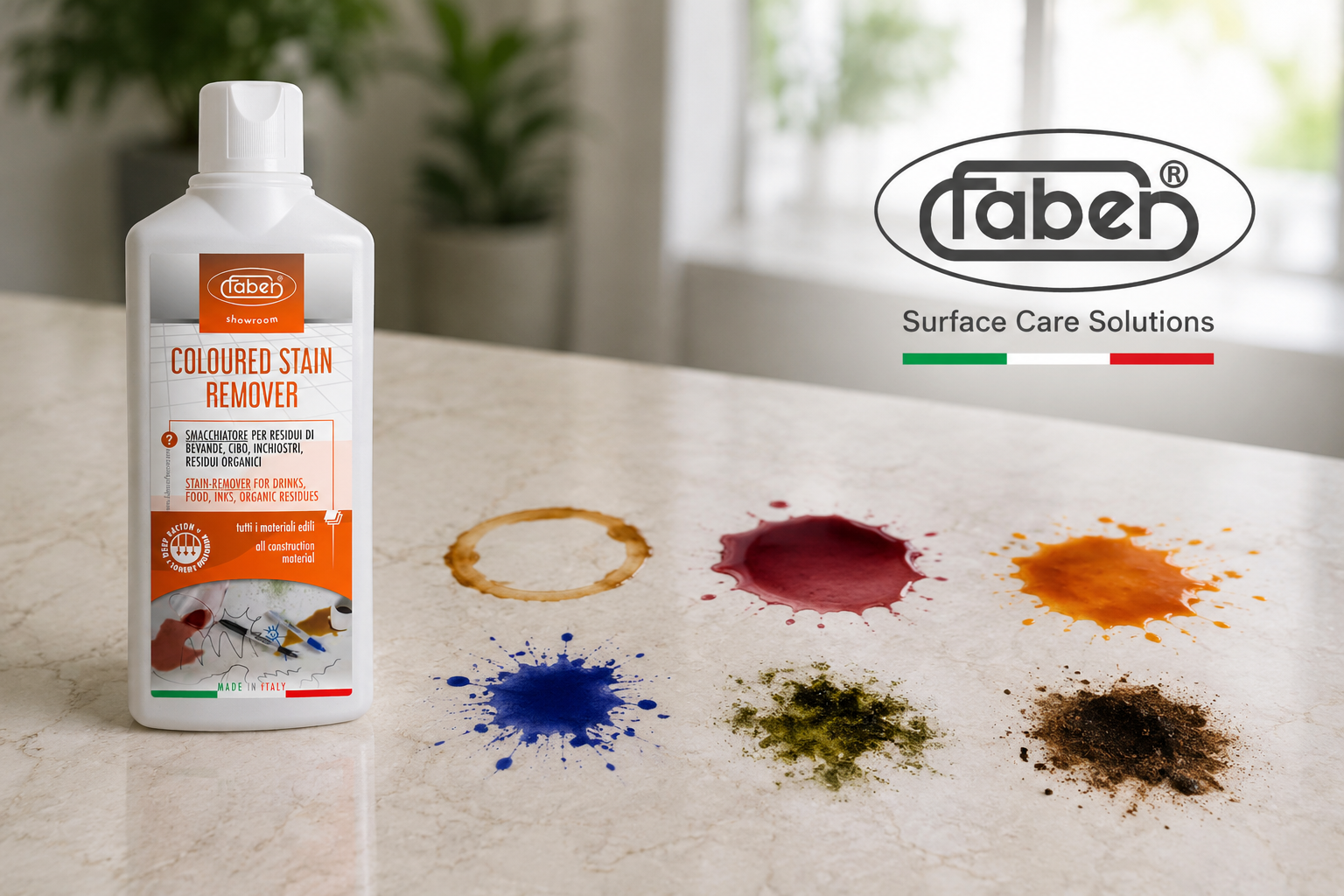
Dealing with stains requires you to find a balance where the cleaning products needs to be tough enough to completely dissolve and extract the stains, while being gentle on the surface being worked on. You don’t want to be in a situation where you end up bleaching out the floors, walls or countertops in your battle against the troublesome stains. The Faber Coloured Stain Remover comes on board to give you that balance, enabling you to easily store the original appearance of your surfaces.
Stain Removal Made Easy
This formulation has been specifically designed to target coloured stains – from the tea and coffee stains from spills made during the morning rush, wine stains from that glass that got tipped over during date night, the juice and yoghurt messes that the kids make all over the floor, ink blots for faulty pens, drawings the little ones have made on the walls using marker pens – these are all got rid of by the Faber Coloured Stain Remover. It’s also highly effective against the spots that are created by algae, mould and other organic growths.
The Faber Coloured Stain Remover gets deep into the thickness of the installation being worked on, acting on the stain without affecting its structural integrity. From fresh stains to old ones that have set deep into the material, they can all be treated using the same approach. Moreover, with its dense and viscous consistency, the Faber Coloured Stain Remover is ideal for use on vertical surfaces. Its powerful action enables the formulation to deliver on its mandate without requiring help from additional products or processes.
The water-based product is safe to use on a vast array of surfaces, including sensitive ones like marble and other natural stones. Whether you’re dealing with stains on ceramics, clinker, granite, agglomerates like marble cement and quartz-resin, or working on porcelain stoneware, the Faber Coloured Stain Remover will be up to the task. You get to restore the beauty to your installations, without having to break the bank in the process. The product is available in affordable 500ml bottles, with each box containing 12 of the bottles.
How To Use The Faber Coloured Stain Remover
Some points to note before proceeding:
-
The functionality of the formulations is affected by the prevailing temperatures. As such, you should not use it on overly heated surfaces. The ideal range is between 5 and 40°C. and it is also recommended that you wait for the cooler periods of the day to make the application. Also, don’t apply it when it’s about to rain or frost, or if there is mist.
-
The surface being worked on should not be exposed to direct sunlight.
-
The target area will need to first be cleaned to remove the dust and dirt. This is to allow the Faber Coloured Stain Remover to be applied directly onto the target stain.
-
As always, first test out the product on an unexposed area if you’re not sure of its suitability for your particular kind of surface.
Follow these steps to treat the stain:
1. Apply the formulation directly onto the target stain. You can use a spatula or brush, or simply just pour it onto the section. For those large surfaces, brooms, mechanical polishers and other conventional application tools can be used. These are for situations like when you’re dealing the stains left behind by mould and algae growths on the floor.
The Faber Coloured Stain Remover is used undiluted. Just ensure that that area has been covered with a thick layer of the formulation.
2. Allow the product to remain on the surface until the stain has been completely removed. This dwelling time will depend on the particular stain you’re dealing with, since they each have varying characteristics when it comes to the depth and chemical makeup of the stain. For instance, when dealing with plant residues like mould and algae stains, this is usually a short period, taking between 15 minutes and 1 hour. For the beverage stains, including tea and wine spots, it can take between 30 minutes and 2 hours. For those ink blots and stains from marker pens, the dwell time can go up to 3 hours.
3. Clear away the residues from the surface. You can use absorbent cloths or paper towels, soaking up the contents until the spot is clean. Larger surfaces will call for a broom, mop or rag.
Use a separate damp cloth to wipe the area and assess the results. If some of the stain remains, the processes can be repeated.
4. Rinse the area with water and allow to dry.
After the stain removal process, use water to clean the equipment that you were working with.
Extra Measures To Observe When Using The Faber Coloured Stain Remover
-
For very absorbent surfaces, you can wet the installation with some water before using the stain remover on them. These are the likes of untreated natural stone. This is aimed at preventing too much of the stain remover being absorbed by the surface in question.
-
If the areas being worked on have an existing wax treatment, this will need to be first removed before you can use the Coloured Stain Remover on the surface. You can do this with the Faber Solvent Stripper, or Wax Remover.
-
In some cases where some stain residue remains, you will need to consider if it will be necessary to first sand the particular section. Also, if the stain has been formed by a mix of different substances, a different type of stain removal agent may be required, depending on the particular source of the stain in question. However, do not mix the chemicals.
-
It is recommended that you take the extra step of applying a stain-proofing treatment to the surface. This will ward off future stain problems, by preventing spills from penetrating deep into the surface and adhering to the installation. The choice of stain-proofing agent will depend on the kind of installation in question. Some popular products for Faber include the Marble & Granite Protector and the Aqua Treatment formulations.
Recommended products
Discover more alternatives and similar items.
-300x300.jpeg)
0 Comments
Questions or feedback? Join the discussion below.
No comments yet. Be the first to comment.
Replying to