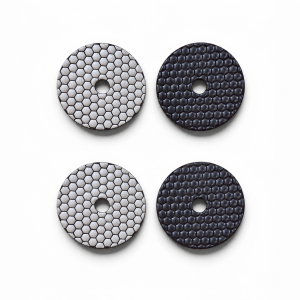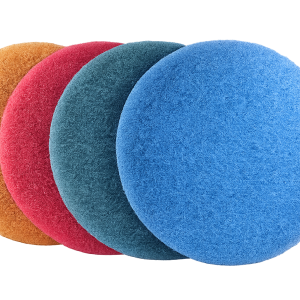

The Amazing Diafil Diamond Polishing Pads
Diafil Diamond Polishing Pads For Practical Floor Care
A floor can be clean and still look tired. You may have removed the dust, mopped away the spills and kept up with routine cleaning, yet the surface still looks dull under the light. Marble can lose its clarity. Terrazzo can start to look flat. Granite, concrete and stoneware can show traffic lanes, scuffs and cloudy patches in the areas people use most.
Diafil Diamond Polishing Pads come in to fix that. They help you connect cleaning, polishing, light restoration into your maintenance routine. Instead of treating shine as something you only recover after a floor has visibly declined, you can build surface refinement into the way the floor is cared for over time. A core tool for your arsenal whether you manage floors in a hotel, office, apartment block, retail space, school, clinic or home. Let’s look at how Diafil pads work, how to choose and integrate them into your maintenance plan.
Revitalize your Floors with Diafil Diamond Polishing Pads
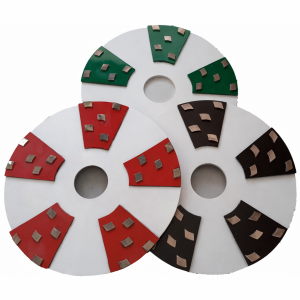
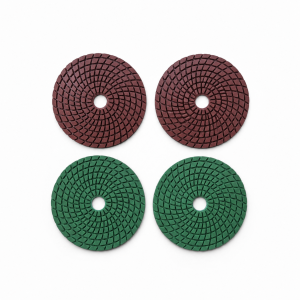
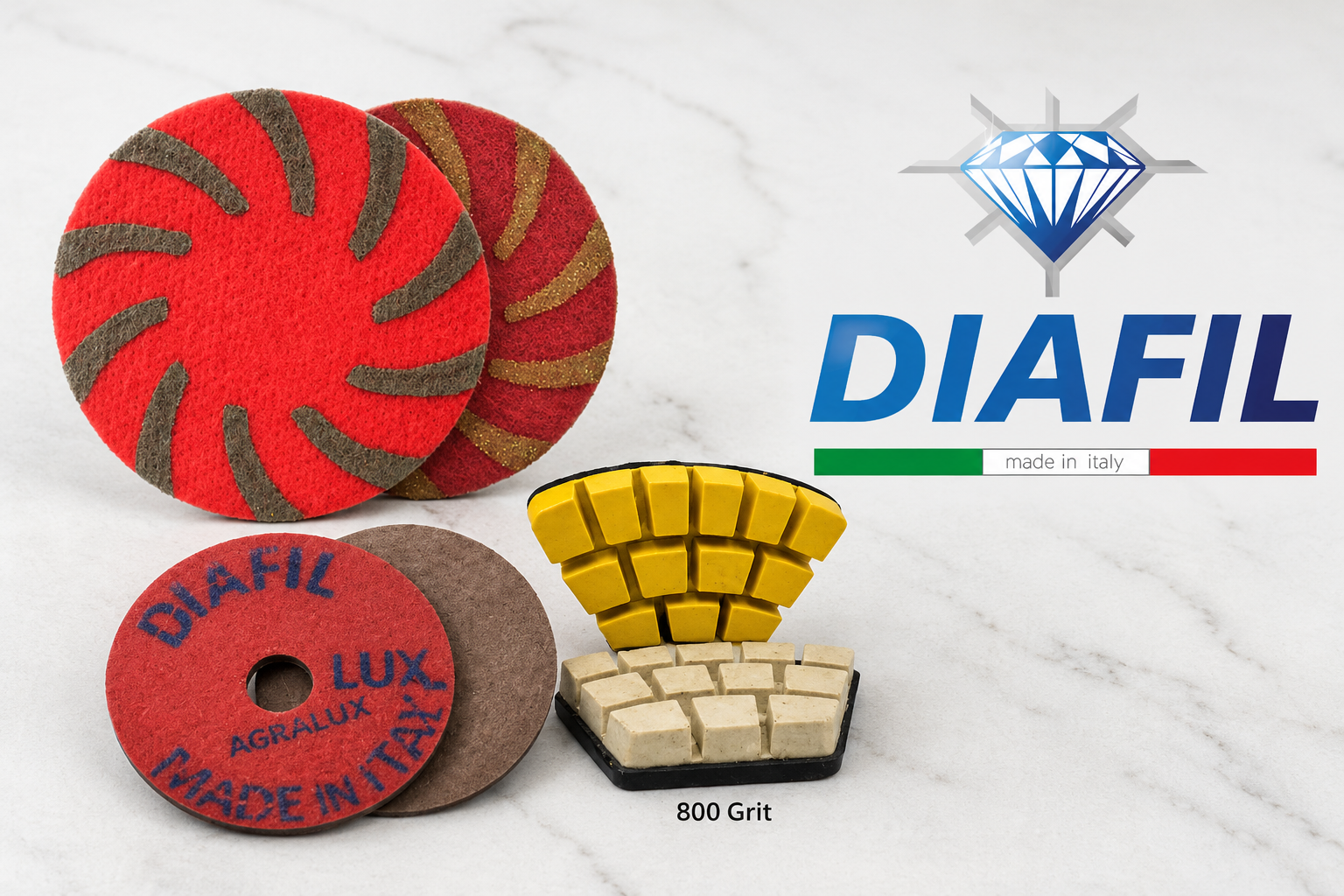
As you can tell from the name, these are diamond-impregnated pads used to grind, smooth, clean, micro-polish, polish and maintain hard floors. You use them with a floor machine, a buffer, a grinding machine, a planetary machine, or in some cases with smaller hand tools, depending on the pad size and the area you are working on. Diafil’s floor pad range is built for materials such as marble, terrazzo, Venetian floors, granite, stoneware, concrete, conglomerate, synthetic stone, resin-quartz and linoleum.
Think of them as surface refinement tools. A normal cleaning pad mainly helps you remove dirt from the top of the floor. A diamond polishing pad goes further. It works on the surface itself. As the pad moves across the floor, the diamond abrasive gradually cuts, smooths or polishes the upper layer, depending on the grit and the pad type. That is why these pads are useful when a floor looks clean after mopping, yet still appears flat, cloudy, worn or tired under the light.
This difference is key in daily maintenance. Standard floor pads are useful for soil removal, scrubbing and buffing. Diamond pads help you deal with the visual and physical condition of the floor surface. You can use them to improve clarity, reduce fine wear marks, refresh dull traffic lanes and support a more consistent finish over time.
The Role Of Diamond Abrasive Action
This is the reason these pads can do more than lift surface dirt. The diamond particles create controlled friction between the pad and the floor. With lower grits, that action is stronger and more suited to removing worn layers, scratches, uneven dullness or old surface build-up. With medium grits, the floor becomes smoother and more refined. With higher grits, the surface can move towards a clearer polish and better light reflection.
Look at the grit progression used for Abralux polishing pads from the brand for instance. They run from coarse grinding grits through to very high polishing grits, including 3500, 5000 and 12000. That range is because floors rarely need the same level of work everywhere. A neglected marble entrance may need earlier grit stages. A well-kept terrazzo floor may need a lighter polishing or maintenance stage. A concrete or stoneware floor may need a different pace because harder surfaces respond more slowly.
The abrasive action is also why correct sequencing matters. When you move through the right stages, each pad refines the marks left by the previous stage. The finish becomes smoother, cleaner and more even. When you skip too far ahead, the finer pad may struggle to correct marks left by heavier wear.
Where The Pads Fit In A Maintenance Plan
Diafil pads fit into three maintenance goals:
- Restoring a neglected floor
This is the situation where the surface has lost its finish, traffic marks are visible, and normal cleaning no longer improves the appearance. A structured diamond pad process can remove worn surface layers and prepare the floor for a cleaner finish.
- Refreshing a floor that has lost shine
This is common in busy spaces such as reception areas, corridors, shops, restaurants and apartment entrances. The floor may still be in fair condition, yet it needs controlled polishing to regain its shine.
- Maintaining a polished floor before it becomes expensive to repair
Once a floor has been restored or polished, regular diamond pad maintenance helps slow down visible wear. That means you can treat floor care as a routine, planned activity, rather than waiting for the surface to decline.
The Brand Behind It All
You are looking for an abrasive system that will touch the floor, shape the finish and influence how easy that surface is to maintain afterwards. That calls for a brand with a solid track record.
Diafil is an Italian manufacturer based in Guidonia, Rome, with roots going back to 1974. The brand began with electroplated diamond tools, then expanded in 1993 into resin-bonded diamond abrasives for polishing marble, travertine, granite, ceramic, stoneware, terrazzo, concrete and Venetian floors.
So Diafil comes from the world of stone finishing and abrasive performance. The pads are built around surface refinement, not quick cosmetic shine. You see this clearly in the wider Diafil diamond pads range, where different pads are designed for grinding, polishing, cleaning, maintaining, preparation before crystallisation, daily cleaning and concrete grinding. A brand with experience in electroplated, metal-bonded and resin-bonded diamond abrasives gives you a more practical toolkit.
Surfaces You Can Use Diafil Diamond Pads On
The strength of Diafil diamond polishing pads is their flexibility across hard floor types. The important part is matching the pad to the target surface, because each material reacts differently to abrasion, water, pressure and polishing time.
Marble And Travertine Floors
Marble and travertine bring warmth and character to a space, yet they show wear quickly in busy areas. Entrance halls, hotel lobbies, apartment corridors and restaurant floors often develop dull traffic lanes where people walk every day. You may also see light etching from acidic spills, uneven shine near doorways, or cloudy patches where older treatments have worn away.
These softer calcium-based stones need patient work. A heavy hand can leave swirl marks, while skipping grit stages can make the finish look uneven under natural light. With Abralux diamond pads, you can move through a more controlled polishing sequence, from surface correction to a clearer finish. The aim is to refine the stone gradually, so the floor looks cared for rather than overworked.
Terrazzo And Venetian Floors
Terrazzo and Venetian floors need a balanced approach because the surface is made up of binder and aggregate. When the floor wears unevenly, some areas can look smooth while others look patchy, flat or slightly grey. This is common in older buildings, retail spaces, schools, churches and apartment blocks where the floor has carried years of foot traffic.
For these floors, cleaning and polishing often belong in the same maintenance plan. Dirt can settle into tiny surface irregularities, while the shine fades when the top layer loses smoothness. Using the correct diamond polishing pads helps you refine both the binder and the exposed chips more evenly. That gives the floor a cleaner, more consistent appearance instead of a finish that looks bright in one area and tired in another.
Granite And Stoneware
Granite and stoneware are harder materials, so they usually need more time and the right abrasive sequence before you see a visible improvement. A quick pass with a fine pad may freshen the surface slightly, yet deeper dullness, scuffs and traffic wear often need a more structured process.
Patience is important here. Hard surfaces respond best when the pad has enough contact time to do its job. You also need steady machine movement, clean water control where wet polishing is used, and sensible grit progression. Diafil options such as Superlux diamond pads are designed for harder surfaces including granite, stoneware, concrete and conglomerate, making them useful where ordinary cleaning pads struggle to improve the surface appearance.
Concrete And Conglomerate Floors
These are common in commercial, industrial and high-traffic settings. The likes of warehouses, showrooms, workshops, retail units, schools and modern office spaces. In such areas, dusting, tyre marks, foot traffic and surface roughness can all make the floors look worn even after mopping.
Diamond pads help refine the surface so it becomes smoother, easier to clean and more presentable. For heavier concrete work, Diafil also includes options such as Ultralux Metal, which can be used before moving into finer abrasive stages. This kind of sequence helps turn concrete flooring into a surface that is easier to maintain day to day.
Linoleum And Resin-Quartz
Linoleum and resin-quartz need careful assessment before you begin. These floors can vary widely depending on the installation, surface finish, age and previous maintenance products used. The safest professional habit is to test a small, discreet area first, then check the result under good lighting before continuing.
For linoleum, the goal is usually controlled cleaning and surface improvement rather than aggressive grinding. For resin-quartz, the right pad choice depends on hardness, texture and the finish you want to preserve. A test patch helps you confirm that the chosen Diafil pad improves the surface cleanly, without creating unwanted marks, haze or uneven shine.
The Main Diafil Pad Lines And What Each One Does
Diafil’s pad range works best when you treat it as a floor care system. Each pad has a different role, so the right choice depends on what the floor needs today. Some pads suit heavier correction. Some help you prepare the surface before another treatment. Others are better for quick re-polishing or daily maintenance. Once you understand those roles, it becomes easier to choose with confidence instead of going with grit or pad name alone.
Abralux Diamond Pad
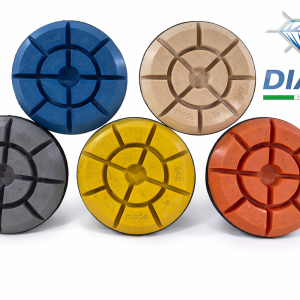
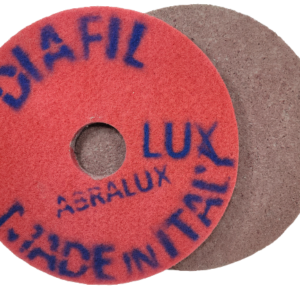
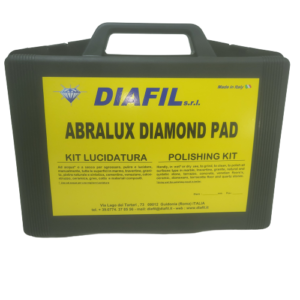
Abralux Diamond Pad is the broad-use option in the Diafil range. You can use it across marble, terrazzo, Venetian floors, granite, stoneware, concrete, conglomerate, synthetic stone, resin-quartz and linoleum. It is useful when the floor needs more than a light refresh, especially where traffic wear, dullness or uneven surface condition has started to affect the finish.
For floor care plans, Abralux fits into restoration and polishing work. It gives you room to start with stronger correction, then move gradually towards surface refinement and shine. That is helpful when a floor has lost clarity, has visible wear lanes, or needs to be brought back into a more presentable condition before it moves into regular maintenance.
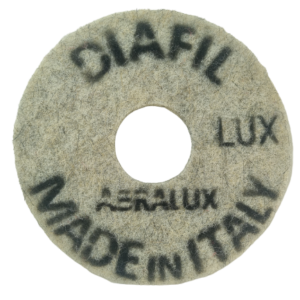
The grit range is one of its biggest strengths. Lower grits are for heavier grinding and stronger surface correction. Middle grits help refine the floor after the coarse stages. Higher grits support micro-polishing and final shine. Abralux includes grits from 12 through to 12000 and LUX, with the lowest grits used for extremely strong grinding and the finer stages used as you move towards a smoother finish.
Abralux 6 mm Pad
The Abralux 6 mm pad sits close to the standard Abralux idea, but in a thinner format. It is still used for grinding, cleaning, treating, maintaining and polishing hard floors such as marble, terrazzo, Venetian floors, granite, stoneware, conglomerate, synthetic stone, resin-quartz and linoleum.
For a contractor, the 6 mm version can be useful when you want an Abralux-style pad in a more compact profile. That can make sense for certain machines, smaller jobs, edge-aware work, or situations where you want to carry a practical range of pads without overcomplicating the kit. The job is still the same at heart: refine the floor with controlled diamond abrasion so the surface becomes cleaner, smoother and easier to finish.
Spiralux Diamond Pad
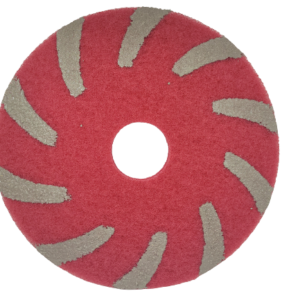
Spiralux Diamond Pad is designed for marble, terrazzo and Venetian floors, especially where you need a flexible pad for grinding, polishing, cleaning and maintenance. It is a useful option when the floor needs surface improvement, but you still want a pad that can sit comfortably within a maintenance-led workflow.
The spiral design gives this pad a clear identity within the range. In use, you would go for Spiralux for floors that need steady refinement rather than a once-off cosmetic buff. It can help when the finish looks tired, when older stone floors need a cleaner surface, or when terrazzo and Venetian floors need a more even appearance before ongoing maintenance takes over.
Diafil Spiralux pads are suitable for dry and wet use, Velcro fitting and applications across porcelain, cotto, concrete, granite and engineered stone. That makes it a convenient pad if you work across different hard surfaces and need a flexible option for varied site conditions.
Superlux Diamond Pad
Superlux Diamond Pad is a sensible choice for harder floors such as granite, stoneware, concrete and conglomerate. It follows the same general impregnation approach as Abralux, but with a lower diamond surface area, which makes it a more cost-conscious option within the range.
That’s important when maintaining large areas where budget and coverage are on a tighter scope. In a commercial setting, you may need to improve a granite corridor, a stoneware retail floor, or a concrete area without using the most intensive pad option for every pass. Superlux gives you a practical route for those harder surfaces when you need polishing, cleaning and maintenance capacity with a more economical setup.
Use it where the floor needs dependable refinement rather than the deepest restoration process. It can help you manage routine surface improvement on harder materials, especially when the floor is structurally sound but visually tired.
Prelux Diamond Pad
Prelux Diamond Pad has a more specific role. It prepares marble and terrazzo floors before crystallisation. That’s when the floor has an old polished layer that needs to be removed so the next treatment can work on a cleaner, smoother surface.
So Prelux is for preparation rather than the final finish. It helps take away the worn upper layer, clears surface fatigue and leaves the floor ready for the next stage. This is especially important with marble and terrazzo because crystallisation works best when the surface has been prepared evenly. If the base is patchy, dirty or poorly refined, the final result can also look inconsistent.
Prelux fits well when you are planning a controlled treatment process. It helps you avoid placing a new finish over an old problem.
Floorlux Diamond Pad
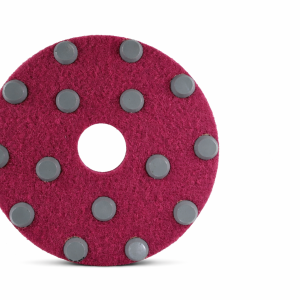
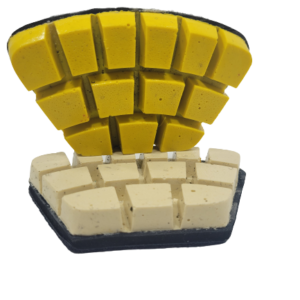
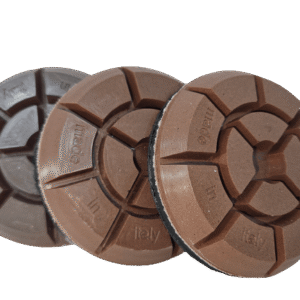
Floorlux Diamond Pad is used for polishing, cleaning and maintaining marble, terrazzo, Venetian floors and concrete. Its defining feature is the 10 mm round diamond sectors, which support long pad life and help develop gloss on the floor.
Floorlux suits spaces where the floor needs regular attention and a more durable pad structure is useful. The round diamond sectors give the pad a strong working surface, so it can cope with repeated use across areas that need consistent results. This can be valuable in entrances, corridors, public areas and commercial floors where the appearance has to hold up under frequent foot traffic.
The role of Floorlux is to help keep the surface looking refined while supporting a longer maintenance cycle. It belongs in a plan where polishing and cleaning are connected, rather than treated as separate jobs.
Discolux Soft Diamond Pad
Discolux Soft Diamond Pad is the quick refresh option. It is used for polishing, cleaning, micro-polishing and re-polishing marble, terrazzo, Venetian floors, granite, stoneware, concrete, conglomerate, synthetic stone, resin-quartz and linoleum.
This is the pad to think about when a floor does not need heavy restoration, but still needs visible improvement. It suits situations where you want a faster, economical process for floors that have lost some shine or clarity through normal use. For example, a reception floor may look slightly flat by the end of a busy season. A retail floor may need a cleaner, brighter appearance before a peak trading period. Discolux Soft fits that kind of refresh.
Grit 3 can be used for daily cleaning and maintenance of polished floors, while grit 4 is available when you want a higher shine. That gives you a simple way to support a polished surface without moving straight into heavier correction work.
Cleanlux Diamond Pad
Cleanlux Diamond Pad is the daily maintenance and cleaning option for polished floors. It belongs in the routine care part of the system, after the floor has already been restored, polished or brought to the level you want.
Use Cleanlux when the main goal is to keep the floor looking presentable through regular cleaning. It helps you protect the work already done, especially in areas where foot traffic slowly reduces clarity. For facilities teams and cleaning contractors, this type of pad is useful because it supports consistency. You can maintain the finish more regularly, rather than waiting until the floor looks neglected again.
Ultralux Metal And Ultralux Pad Options
Ultralux Metal is a concrete grinding option. It is especially useful where rigid metal or resin diamond abrasives may struggle to copy the floor properly during work. The support helps the abrasive follow the floor surface, which can make it useful on concrete floors that need grinding before they move into finer stages.
After Ultralux Metal, Abralux can be used to continue towards a polished surface. That makes the pairing practical. Ultralux Metal handles the earlier concrete grinding role, then Abralux helps refine the surface further. For concrete floors, this kind of staged approach gives you more control over the finish and helps the floor move from rough correction towards a cleaner, more polished appearance.
How To Choose The Right Diafil Pad
You are not just picking a pad because it has diamonds in it. You are choosing the right level of abrasive action for the surface.
Start With The Floor Material
Different floors respond differently to diamond abrasion. Marble and travertine are softer stones, so they need careful grit progression and controlled machine movement. If you go too aggressive too quickly, you can leave marks that become visible under natural light.
Terrazzo and Venetian floors need a more balanced approach because the surface includes binder and aggregate. The wrong pad can make the finish look uneven, especially in older floors with years of foot traffic. Abralux diamond pads are a strong fit here because they are designed for marble, Venetian floors, terrazzo and natural stone, with a wide grit range from 30 through to LUX.
Granite, concrete and stoneware are harder. They usually need more time, steadier contact and a pad that can refine the surface without wearing out too quickly. Superlux diamond pads fit harder floors such as granite, stoneware, concrete and conglomerate. For concrete that needs stronger early grinding, Ultralux Metal can prepare the surface before you move into Abralux for a polished finish.
Linoleum and resin-quartz need extra care. The surface condition, coating history and age of the floor will affect the result. Always test a small area first so you can check the finish before working across the full floor.
Match The Pad To The Floor Condition
Once you know the material, look at the condition. A dirty but intact floor does not need the same approach as a scratched or heavily worn one.
If the floor is dirty but still has a decent finish, start with a cleaning or maintenance-led pad. Cleanlux diamond pads are created for daily maintenance and cleaning of polished floors, which makes them suitable when the aim is to keep an existing finish looking presentable.
If the floor is dull but smooth, you may need micro-polishing rather than heavy grinding. Discolux Soft diamond pads work well for quick polishing, cleaning, micro-polishing and re-polishing (grit 3 for daily maintenance/cleaning, grit 4 for more shine).
If the floor is scratched, patchy or worn through traffic lanes, Abralux gives you a wider correction path. Start earlier in the grit sequence when the damage is more visible, then work up through refining and polishing stages.
If previous work has left the surface patchy, treat that as a preparation issue. The floor may need a more even base before shine can develop properly. On marble and terrazzo floors that will be crystallised, Prelux helps remove the old polished layer and leaves a smoother surface ready for the next stage.
Choose The Grit By The Job
Grit choice controls how much work the pad does on the surface. Lower grits remove more material and prepare the floor. They are useful for worn layers, visible scratches, uneven dullness and heavier correction. Medium grits refine the surface after the early stages. They reduce the marks left by coarse pads and help the floor become smoother. Higher grits polish, micro-polish and maintain the finish.
The Abralux grit range includes 30, 50, 60, 80, 120, 220, 400, 600, 800, 1800, 3500, 5000, 12000 and LUX. That range gives you room to move from stronger grinding to a finer finish, depending on the floor condition.
A simple rule helps: start only as coarse as the floor needs. If the floor is lightly dull, you may begin in the middle or fine stages. If the surface has deeper wear, begin earlier so the later pads have a properly prepared surface to refine.
Choose The Pad By The Machine
The machine affects pad choice as much as the floor does. Diafil’s abrasive pad range supports different working methods, including grinding machines, monobrush machines and planetary systems.
A single-disc machine or monobrush is common for maintenance, polishing and controlled work in commercial spaces. Floor buffers are useful for lighter refreshing and ongoing care. Planetary machines give more consistent pressure across larger areas, especially where the floor needs structured grinding or polishing. Automatic machines can help with routine cleaning and maintenance in bigger facilities, provided the pad and floor are compatible.
For smaller details, edges, stairs and corners, smaller Abralux wet polishing pads are available for handheld polishing machines. This helps you avoid leaving the main floor looking finished while the edges still look dull.
The best choice is the one that matches the surface, the level of wear, the grit sequence and the machine you can control confidently.
How To Use The Pads Without Damaging The Floor
Diafil diamond pads can help you clean, refine and polish a hard floor, but the result depends on how carefully you use them. A diamond pad works by changing the surface through abrasion. That is useful when the process is controlled. It can also create marks, haze or uneven shine when the floor is rushed.
Inspect Before You Start
Start by reading the floor before you switch on the machine. Check the material first. Marble, terrazzo, granite, concrete, stoneware, resin-quartz and linoleum all respond differently to diamond abrasion, even when the same pad range can be used across several surfaces.
Look for cracks, loose tiles, open joints, lippage, hollow spots, deep scratches, coatings, waxes, sealers and old treatments. These details matter because a pad can only polish the surface it is touching. If the floor has an old coating, the pad may work on that layer before it reaches the floor. If the tiles are uneven, the machine may polish high points more strongly than low areas.
Pay close attention to entrances and traffic lanes. These areas usually carry the most grit, water and wear, so they may need a different starting point from quieter parts of the room.
Do A Test Patch First
A test patch protects you from costly surprises. Choose a small, discreet area and run the same process you plan to use on the wider floor. Check the grit, machine speed, pressure, water use and final appearance under good lighting.
This is especially important on mixed or sensitive surfaces. A terrazzo floor may respond differently across old repairs. A marble floor may reveal etching once the dirt is removed. A resin-quartz or linoleum floor may need gentler handling because the surface finish can vary by installation and age.
A good test patch answers some questions before the full job begins: Is the grit too coarse? Is the pad leaving swirl marks? Is the floor clearing evenly? Is wet or dry use giving the better result? Once you know the answer, you can work with more confidence.
Work Through The Sequence
Diamond pads work best when each stage prepares the surface for the next one. Lower grits remove more material and deal with heavier wear. Medium grits refine the surface. Higher grits create the polish, clarity and light reflection you want.
Skipping stages can leave scratches behind. A fine pad may brighten the floor slightly, yet it may struggle to remove marks left by an earlier coarse grit. That is how you end up with a floor that looks shiny from one angle and scratched or cloudy from another.
Start only as coarse as the floor condition requires, then move upwards in a steady sequence so each pass improves the last one, right to the very fine polishing stages.
Use Wet Or Dry Based On The Pad And Surface
Some Diafil pads can be used wet or dry depending on the pad line and application, such as the Spiralux diamond pads as mentioned, with Velcro fitting for floor polishing work.
Choose the method based on the floor, the pad, your machine and the site conditions. Wet use can help control dust and carry slurry away from the surface. Dry use may suit certain polishing situations where dust extraction and machine setup are suitable. The key is to keep the surface clean between stages. Slurry, grit residue and dried debris can drag across the floor and create fresh marks.
Control Speed Pressure And Dwell Time
Let the pad do the work. Heavy pressure can create heat, swirl marks and uneven results, especially on softer stone. Moving too fast can also leave the surface underworked, while staying too long in one spot can create patchy shine.
Use steady overlapping passes. Keep the machine flat. Watch how the floor responds as you work. The pad needs enough dwell time to refine the surface evenly, but that contact should feel controlled, not forced.
If the floor begins to haze, streak or mark, stop and reassess. Clean the area, check the pad, confirm the grit and review your machine movement before continuing.
Common Results Problems And What They Usually Mean
Even with the right diamond polishing pads, floor results can vary. The pad may be suitable, yet the finish can still look dull, patchy, scratched or cloudy if the grit choice, surface preparation or machine technique needs adjusting. Treat these problems as clues. They usually point to a step that needs correcting before you continue.
The Floor Still Looks Dull
A dull finish often means the surface has not been refined enough. You may have started with a grit that was too fine for the floor condition, so the pad brightened the top slightly without removing deeper wear. This is common on traffic lanes, entrance areas and older marble or terrazzo floors where fine scratches have built up over time.
Take Abralux diamond pads for instance, where coarse stages include grits 30, 50 and 60 through to polishing stages such as 3500, 5000, 12000 and LUX. Use that range to match the actual floor condition, rather than jumping straight to a final polishing grit.
Dullness can also come from too few passes, residue left on the surface, a pad that is worn out, or a pad that is poorly matched to the material. Clean the floor, inspect the pad, then repeat the correct stage with steady movement.
The Shine Looks Patchy
Patchy shine usually points to uneven preparation. One area may have been refined properly while another still holds old wear, coating residue, scratches or traffic marks. Skipped grit stages can also create this problem because the finer pad has to work too hard to correct the marks left behind.
Machine movement matters here. If you move faster in one section and slower in another, the floor receives uneven contact time. Uneven water control can also affect the result. Too much slurry left in one area can reduce clarity, while a dry or overloaded section may develop drag marks.
Old coatings and crystallised layers can make the issue worse. In that case, preparation becomes important. Prelux diamond pads are used before crystallisation on marble and terrazzo because they help remove the old polished layer and leave the surface smoother for the next treatment.
Scratches Are Still Visible
Visible scratches mean the floor needs stronger preparation before polishing. A fine pad can improve shine, but it cannot correct every deeper mark when the earlier stages have not done enough work.
Start by judging the depth of the scratch. Light surface scratches may respond to a medium stage, followed by finer polishing. Deeper scratches usually need an earlier grit. The key is to begin only as coarse as necessary, then rebuild the finish gradually.
The Finish Looks Cloudy
A cloudy finish often comes from contamination between stages. Residue, slurry, loose grit or dried debris can sit on the floor and interfere with the next pad. Clean thoroughly between passes so each grit works on the floor surface, rather than dragging old abrasive particles across it.
Cloudiness can also appear when you stop too early in the process. The floor may have been deep cleaned or refined, but it has not yet reached the final polishing stage. For quick re-polishing and maintenance, there’s the Discolux Soft diamond pads daily maintenance at grit 3 and shining option at grit 4.
When the finish looks hazy, check three things first: surface cleanliness, grit sequence and pad condition. Those three checks solve most polishing problems before they become costly.
Pad Life And Value
The value of a diamond pad comes from correct use, not simply from how long it sits in the store cupboard. Choose the right pad for the surface, start at the correct grit and keep your machine movement even. This helps the pad wear more consistently and gives the floor a more uniform finish.
Your grit sequence also affects value. When you skip stages, the next pad has to work harder and may wear faster. When you clean between passes, the pad cuts or polishes more cleanly because loose grit and slurry are removed from the surface.
After use, rinse slurry and residue away before it dries into the pad. Let the pads air-dry fully, then store them flat or neatly separated. Keep each grit clearly labelled. Coarse grit particles should never mix with fine polishing pads because they can scratch a floor during the next job.
A simple storage system protects both the pads and the floor. Sort by pad line, diameter and grit, then keep used pads clean before returning them to your kit.
Recommended products
Discover more alternatives and similar items.