
Marmoleum Floor Cleaning
Marmoleum Floor Cleaning And The Proper Maintenance
There is not a single day passing when a customer does not call us to ask us some information about marmoleum floors. The problems include easy staining, high porosity, dirt absorption, sticky surface, impossible to buff, bleached by the sun, damaged by the cleaning products, exfoliating polishes, patchy looking and God knows what else. It seems that most marmoleum floor owners or the managers of places where marmoleum floors have been installed, are not told anything about maintenance and regular care. Until it is too late and the damage is done.
Within this article we will explain in detail all relevant information regarding the marmoleum floor cleaning, polishing, maintenance and stain removing. This information is informative only and very generic.
What is the difference between marmoleum and lino?
Although lino (linoleum) and Marmoleum floors are often treated as different flooring types, they are actually very closely related. Linoleum is the general type of resilient flooring, while Marmoleum is a branded form of linoleum manufactured by Forbo.
Traditional linoleum is produced primarily from natural materials such as linseed oil, resins, limestone and pigments, usually bonded to a backing such as jute. It is durable, relatively flexible and commonly found in homes, schools, healthcare facilities, offices and other commercial buildings.
Marmoleum uses the same basic linoleum principle but is manufactured by Forbo using a carefully controlled formulation and production process. It is available in numerous colours, patterns, sheets, tiles and modular formats, making it particularly popular for decorative commercial and residential flooring installations.
Both surfaces are very different from vinyl/PVC flooring, even though vinyl is sometimes incorrectly called lino. Genuine linoleum and Marmoleum contain predominantly natural raw materials, whereas vinyl flooring is primarily PVC-based.
From a cleaning perspective, both require similar care. Regular vacuuming or dust mopping followed by damp cleaning with an appropriate pH-neutral or manufacturer-approved floor cleaner is generally recommended. Excessive water, highly alkaline chemicals, aggressive stripping products and abrasive cleaning methods should be avoided unless specifically approved for the particular floor and finish.
How do you start a proper maintenance routine?
All Marmoleum floors come with a factory applied protective finish. This protection is usually suitable for floors exposed to low or medium levels of wear, such as those in shops, showrooms and galleries. These areas can still be busy, but the type of traffic is generally controlled and the floor is less likely to suffer heavy abuse. A Marmoleum floor in a busy school is very different. Hundreds of children may walk over the floor every day.
Chairs and tables are dragged across it, while food, drinks, dirt and other contamination can regularly end up on the surface. Maintenance can also be a problem. Schools and other public buildings may not always use the correct Marmoleum cleaning and maintenance products. When heavy daily use, incorrect cleaning and limited maintenance are combined, the original protective finish can wear much faster. The floor can then become scratched, stained, dull and difficult to keep clean.
Polishing
To make sure that the marmoleum floor does not get damaged in the first month of use, the managers or the owners of the building should make sure that the marmoleum floors are getting 2-3 coats of intense water based floor polish that will build a protective layer over the pre-existing finish. By doing so, all the traffic will only affect the polish while the floor itself will be left untouched. The polish coat will act as a barrier and it will also facilitate easy cleaning and maintenance.
Cleaning
The marmoleum floors should be deep cleaned with proper neutral PH marmoleum floor cleaners only. These products are designed to effectively remove the dirt and repair all tiny scratches and surface damage while not negatively affecting the sealer. The main issue reported by schools is usually patchy finishes and rough patches. This happens when the highly active cleaning products that work well in bathrooms, are being used to clean polished marmoleum floors. In contact with the polish itself or the floor glazing, the active floor cleaners burn the top layer of the floor and create porosity. This porosity will accumulate dirt and the floor will end up looking patchy.
Buffing
The marmoleum floors are the type of floors that require regular buffing with a white or a red floor pad. Through the system of burnishing, or polishing, the sealer is heated and the imperfections and scratches caused by the daily traffic will be flattened up. After every buffing process, the floor will look spectacular and streak free. On the other hand, by ignoring the regular buffing, you should expect to end up with a dirty looking marmoleum floor that will look old and tired.
Protection
A very important part of your marmoleum maintenance routine is to identify the possible sources of damage and deal with it. In a school or in a public building, the floor is likely to be scratched by the movement of chairs and tables. Fitting special rubber leg protectors will help reduce that risk. Ban citric acid based drinks to prevent permanent damages to your marmoleum floors.
Do not drag furniture on the floor, do not use strong acids or alkaline cleaners for your daily floor cleaning, do not oversoak the floors, do not use the same mop head to wash tiled floors and then marmoleum floors and so on. Some schools manage to have spotless marmoleum floors 20 years after the initial installation while others are likely to damage their floors 1 year after it was installed. It is all in the maintenance.
Floor Burnishing With High Speed Floor Buffers
A high speed floor burnisher in conjunction with a red floor pad can really restore your dull looking marmoleum floor. The friction between the floor pad and the floor itself is likely to generate heat and melt down all kinds of imperfections and dull patches that appear for various reasons. The entire process of burnishing a marmoleum floor is not that complex but some basic rules have to be respected.
- The floor surface has to be washed with a good quality floor cleaner to remove all kinds of surface dirt. A flat mopping system is highly recommended because it will release less water, it will dry faster and it will extract the dirt instead of moving it from one place to another.
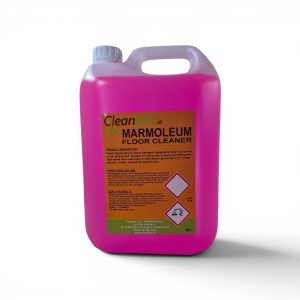
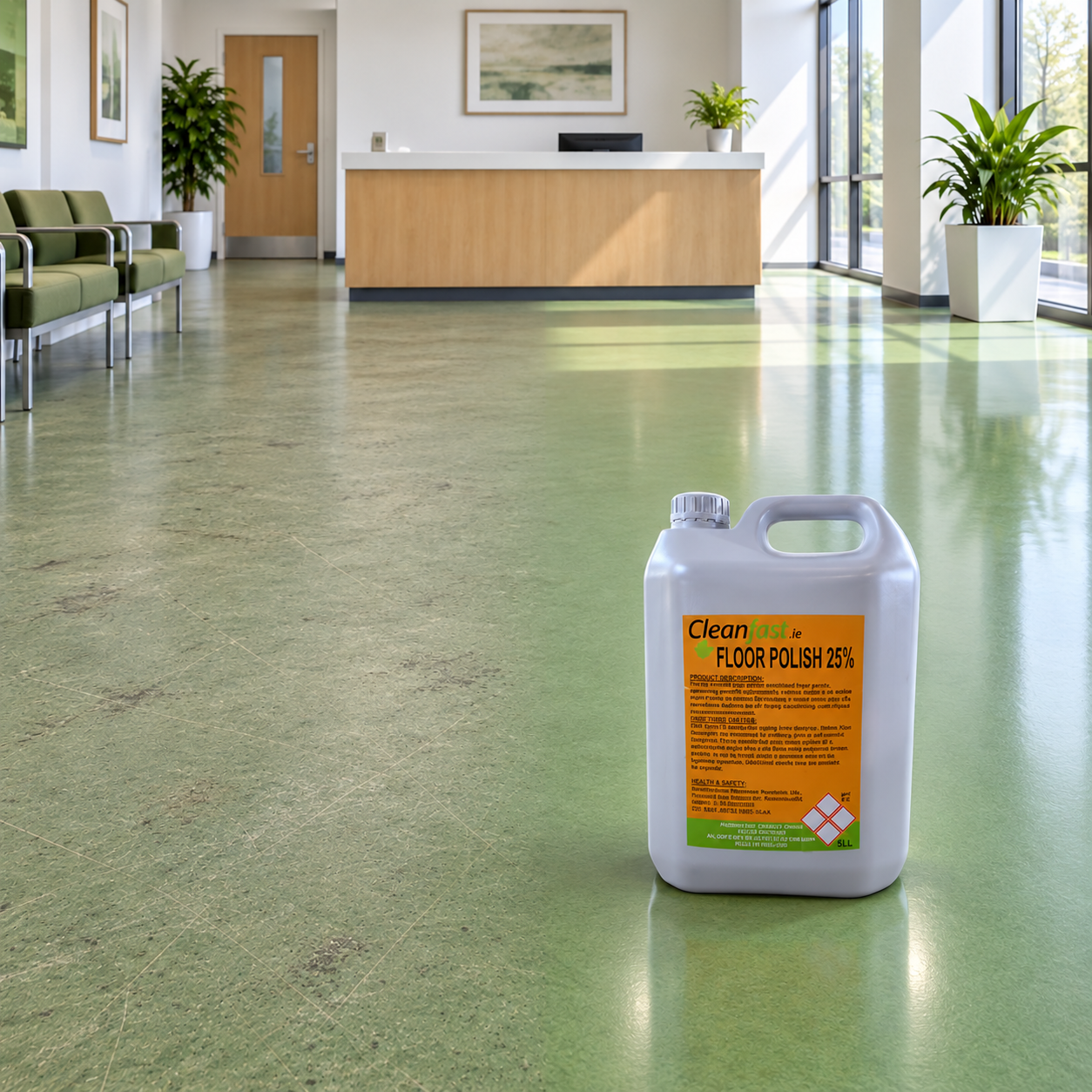
- After the floor was deep cleaned and has dried in full, the floor should be washed one more time with a floor maintainer like the incredible Cleanfast Marmoleum Floor Cleaner. This product will level up small scratches, it will fill up patches and dramatically reduce the porosity of the floor.
- Then the floor should be polished. A floor burnisher is a high speed floor buffer that can have anything between 400 to 3500 RPMs (rotations per minute). Higher the speed, better the results. The floor burnisher can only be used with light polishing pads like red pads, white pads and tan pads.
Do not:
Wash your marmoleum floors with acidic, highly alkaline or bleach based floor cleaners. Do not use black, green or blue floor pads for polishing. Do not drag heavy items on your marmoleum floors. Do not soak the floors while doing your daily cleaning.
Do:
Use proper maintainers and low PH floor cleaners. Do buff your floors at least once per week. Do refresh high traffic areas at least once per year. Remove all spills within a few minutes to avoid permanent damage.
Recommended products
Discover more alternatives and similar items.