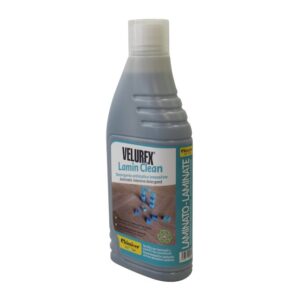

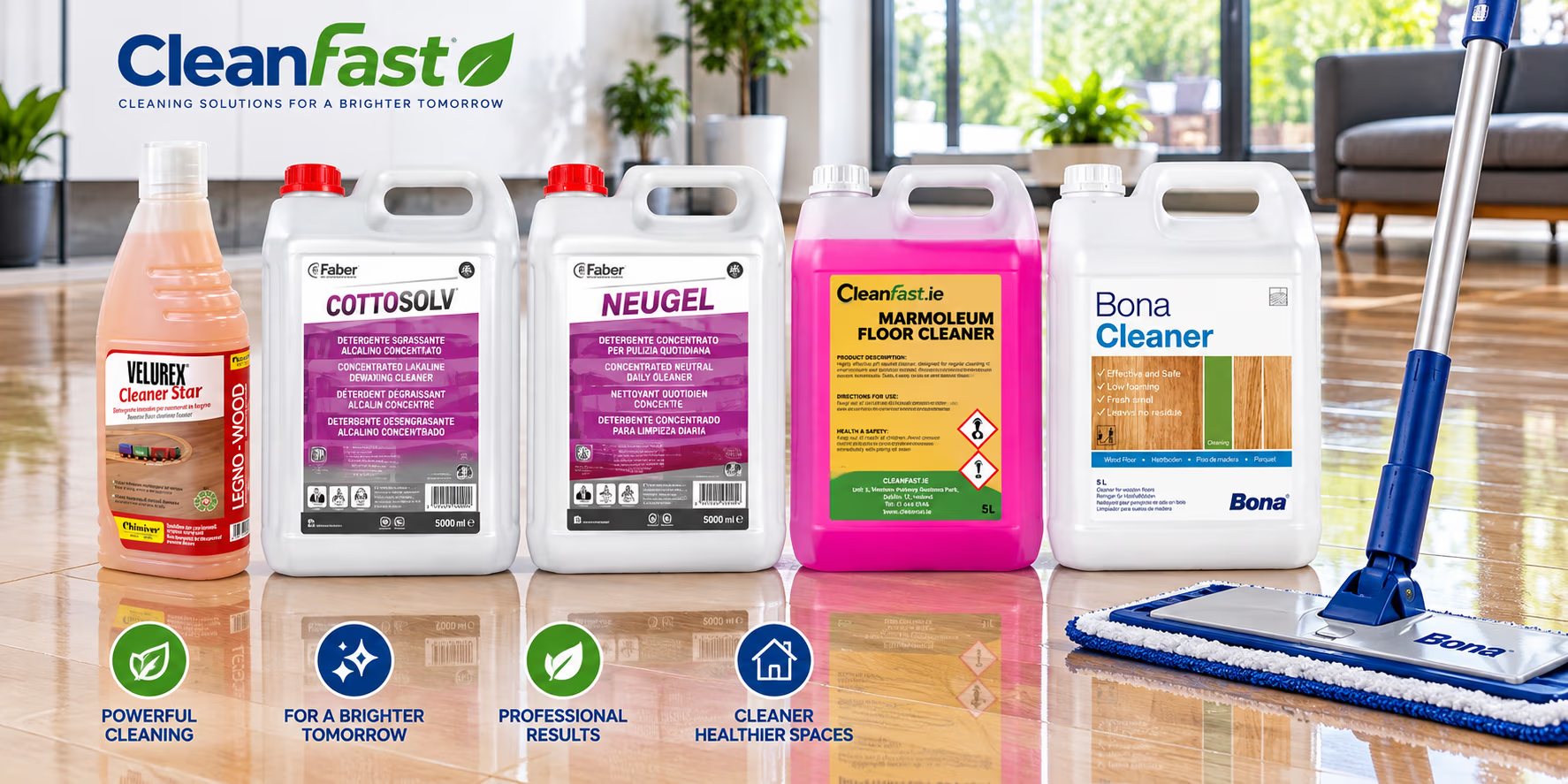
Floor Cleaning Products
Effective Floor Cleaning Products And Unique Floor Cleaning Technologies
We all need to wash our floors and we all want to find a product that effortlessly cleans the floor, doesnt break the bank and lasts for a long time. A kind of Holy Grail of floor cleaning at your disposal. But somehow, after using countless different floor cleaners and all possible technologies, you just don`t seem to be able to find it. You have used everything available online and whatever you could find within the local grocery shop but have not achieved the results you want. You manage to deep clean your floors but now the floors are sticky, maybe even discoloured and it seems to absorb more dirt than before. It smells funny.
This is the issue that millions of people have all over the planet and they just start believing that there is no solution. But the solution is right there and is available to everyone. It is called knowledge. Understanding what you are doing and why you are doing whatever you are doing. Just like wall paint, there is paint for indoors, paint for outdoors, floor paint, mold safe paint, metal paint, car paint, wood paint, etc. Each type of paint will work well when used appropriately and it will prove to be useless when used on the wrong surface.
In this article we will detail the entire range of residential and commercial floor cleaners, where to use it, how to use it and how to maximise your floor cleaning detergents capabilities without having to spend a fortune.
Types Of Floor Cleaning Products
The range is huge and divided into categories. There are residential floor cleaning products, commercial floor cleaning products and industrial floor cleaning products. These categories are also divided into subcategories like heavy duty floor cleaning products, floor maintainers,stain removers and disinfectants. Even the subcategories are also divided into subcategories. Like low PH maintainers, high PH maintainers, floor strippers, alkaline floor cleaners, acidic floor cleaners, bleach based floor cleaners, floor deodorisers, pet safe floor cleaners and others.
There is a huge difference between the industrial floor cleaners and the residential floor cleaners. Using an industrial floor cleaner to clean a soft residential floor might end up destroying that particular type of floor or damaging your floor cleaning equipment.
Floor Maintainers
This is the most widely used category of floor cleaning products. Most people are likely to use some floor maintainer to clean their floors daily or weekly. There are two types of floor maintainers, non residue ones and the ones that leave a residue behind.
-
Floor Maintainers | Non Residue | This type of floor maintainer is mostly used to clean highly polished floors that were not sealed with a water based or a solvent based floor polish. The product will safely break down residues without leaving any residue behind it. The non residue floor maintainers are great on porcelain floors, polished ceramic, mechanically polished natural stone floors, laminated floors and others. The product evaporates quickly and it leaves no streaks on the polished surfaces.
-
Floor Maintainers | Repair Ones | Some floor maintainers are designed to repair imperfections and small scratches on chemically polished surfaces. Some floors that are exposed to a lot of intense use on a daily basis, or some floors that are used by commercial traffic, are likely to get damaged in areas. By using a repairing floor maintainer, those small imperfections are filled in and then during the process of buffing, the floor is restored to its initial condition.
Most floor maintainers are PH neutral. The only exception are the heavy duty industrial floor cleaners and maintainers that are usually used to remove tyre marks and chemical spills from warehouse or factory floors. These products are usually much more active than your day to day maintainer.
Daily Floor Cleaners
The same floor cleaner that is used to deep clean ceramic tiles, cannot be used to clean highly sensitive marmoleum floors or polished marble floors. Each type of floor cleaner contains different levels of cleaning agents that can be harmful or helpful for your floors. Some floor cleaning chemicals are ready to use or have a low dilution rate, while others are highly concentrated.
-
Moderate PH Floor Cleaners | Most types of floors that are used on a daily basis, are likely to get dirty and have to be washed. The dirt residue is likely to either penetrate the floor and discolour it or to overglaze it with a layer of dirt. A moderate PH floor cleaner, somewhere between 8-10 PH, will help break down the dirt or help extract it from the pores of the floor without damaging the floor surface. Most residential or light commercial floors are usually washed with low to medium PH floor cleaners. The floor cleaner is effective but not dangerous.
-
High PH Floor Cleaners | A high PH floor cleaner is a highly active floor cleaner that is usually used to break down heavy duty residue, new or old, from all types of floors that are compatible with it. Usually, the high PH is only at its maximum strength before being diluted. After the dilution rate, the PH is reduced and the floor cleaner is usually much safer to use.
***Using the wrong PH floor cleaners can be very risky or pointless in some cases. Using a low PH floor cleaner to deep clean a badly affected floor will prove to be a waste of time, while using a high PH floor cleaner to clean a very sensitive floor will result in permanent damage to that particular floor or other unwanted reactions. It is essential and highly recommended to do your homework and find out what type of cleaning product is more suitable for your particular type of floor***
Floor Cleaning Products For Deep Cleaning Floors
Now, from this point onwards, we will be dealing with highly effective floor cleaning detergents, acidic floor cleaners, sodium based floor cleaners, floor cleaners and strippers, alkaline floor cleaning detergents and specific floor cleaners for removing stains and residue. All these floor cleaning detergents are amazing at what they are designed to do. The end result will depend on the way the floor cleaning detergent was used, what surface it was used on and if the user was aware of the type of product that he or she has used.
Many of our customers who buy floor cleaning products online, end up calling us to either complain or ask for advice about how to use whatever floor cleaning product that they have just purchased. While all our cleaning products have a great description, there is no way to write enough content to cover every single type of floor that was manufactured. In many descriptions, we use the term Natural Stone Floors – this include marbles, travertine, limestone, sandstone, terracotta, granite, slate, quartz, onyx, terrazzo, basalt, etc. A slate floor can take a much more active floor cleaner than a sensitive marble floor. Please call us before using any of our products or even before ordering it online.
-
Acidic Floor Cleaners | The acidic floor cleaners contain low, medium to high levels of acids within its composition. These kinds of floor cleaners can only be used on acid resistant surfaces, like unpolished ceramic floors, most unsealed and unpolished concrete and natural stone floors, patios and so on. The acid can and will discolour the floor sealer. Most of the contractors that are using acid based floor cleaners are usually dealing with bathroom grout lines, very dirty ceramic tiles and industrial floors. The acid based floor cleaners cannot be used on sensitive floors, laminate or wood floors, plastic floors or polished floors.
-
Sodium Based Floor Cleaners | The sodium based floor cleaners are also known as the bleach based floor cleaners are usually bathroom floor cleaners. The sodium hypochlorite is a bleaching agent that can really get rid of all kinds of black marks from the grout lines or the areas around the toilet. The same floor cleaning products can 100% destroy any type of floor that is sealed with a water based floor polish or protector. These products should only be used within the bathrooms. The sodium hypochlorite based floor cleaners are one of the most common reasons for damage on hardwood floors.
-
Alkaline Floor Cleaners | The alkaline floor cleaners are highly active but pretty safe floor cleaners that are usually used to clean and maintain badly affected floors and floors that are exposed to a lot of traffic. Unlike the acidic and sodium based floor cleaners, these floor cleaners are unlikely to damage the floors within the process of cleaning it. The alkaline floor cleaners can be used on pretty much all types of floors if used with the proper dilution rate. An alkaline floor cleaner is not a daily floor cleaner but a type of floor cleaning agent that is used for intense floor cleaning projects where the average dirt has built up and the normal maintainers are not affecting it any longer. Within this range of products, our customers can purchase alkaline floor cleaners for natural stone floors, for hardwood floors, for all kinds of plastic floors and universal alkaline floor cleaners that are compatible with most floors.
-
Floor Cleaners And Floor Strippers | Some floor cleaners contain pre-existing wax removers that are likely to remove most of the old sealers as well as the dirt. These products should only be used on the types of floors where the removal of waxes and sealers is not problematic. These kinds of floor cleaners and floor strippers are mostly used on artificial and natural stones during the process of cleaning it and dissolving patchy old sealers or protectors. We only recommend these kinds of products for heavy duty professional use to avoid misuse.
-
Floor Strippers | The floor strippers are the kinds of products used to fully remove old and worn floor polishes, protectors and waxes. There are two types of floor strippers mostly used by our customers, the floor strippers for water based sealers and the floor strippers for solvent based sealers. These products should only be used for removing pre-existing sealers. The water based floor strippers will do nothing on solvent sealers but the solvent strippers will most likely remove water based floor polishes. The reason why people don’t use solvent based floor strippers to remove floor polishes is the fact that the solvent floor strippers are very expensive. The water based floor strippers are much more affordable.
-
Stain Removers | Another wide range of cleaning products are the stain removers. There are specific stain removers for rust, urine, coffee, tea, inks and other types of common stains. Some are thick gels, some are semi liquids, some are powders and some are very liquid. Within this range, there are solvent based stain removers and water based stain removers. These products are mostly used to treat stains and spots in smaller scale areas. Each type of stain remover will only work effectively on exactly the type of stain that it says on the bottle. A coffee stain remover will do nothing to a rust stain and the other way around.
Basic Rules To Respect While Using Any Floor Cleaning Products
The effectiveness of any floor cleaning detergent will depend on the skill of the user, the type of dirt that is being tackled, the dilution rate, the surface treated and the mechanical floor cleaners used to do the job. An amazing natural stone floor cleaner will provide no results on hardwood floors while a safe laminated floor cleaner will provide no results on marble floors. Each type of floor cleaning detergent has to be used on the appropriate surface and with the right dilution.
The Dilution Rate
Pretty much all heavy duty floor cleaners or the professional floor cleaners are sold in a very concentrated state. The dilution rate can vary from product to product and it can be anywhere between 1 to 1 up to 1 to 500. The idea of highly concentrated products is to last long, require little storage area and to be made as strong or as weak as the project requires.
The highly concentrated floor cleaning products have to be diluted before use, otherwise it will fail to work correctly and it will waste your money. A highly concentrated product could have a PH of about 13 but after a dilution of 1 to 100, the PH can drop to 8-10, so much safer. The dilution also needs to be done at the recommended rate to avoid creating sticky surfaces and messing up the cleaning equipment.
The Foam
Most of our customers are very curious to find out why a professional chemical manufacturer would make a high foam floor cleaner when most people use a defoamer to reduce the foam and make the product safer to use? Well, a lot of floors are designed to be washed with a foamy cleaning solution to prevent the cleaning product from leaking inside the floor. When deep cleaning unsealed terracotta floors, concrete floors, limestone floors, sandstone floors, carpet tiles, stone carpet floors and others, the use of a foam is highly recommended.
The foam has the same cleaning power as any other low foam product but instead of sinking inside the floor, it will keep the floor cleaner active at the top of the floor where the dirt is located. The foam is the biggest enemy of all extraction systems like wet vacs, carpet cleaning machines, floor scrubbers and others. It is highly recommended that a bit of defoamer be added to the waste tank to avoid the negative effects of the fine foam.
The Odours
Some professional or residential floor cleaners are very smelly. The odours can vary from product to product. Some professional cleaning products can contain bleach odours, others ammonia, others solvents, others vinegar odours and so on. The odour can be easily neutralised when a drop of odour neutraliser is added to the composition. To avoid breathing in all those unpleasant odours, please work in well ventilated areas only.
Mixing Floor Cleaners
Many people mix up a number of floor cleaning detergents in an attempt to create a stronger and more effective mixture. That could work well if the user of the cleaning agents knows what to mix with what. Mixing the wrong floor cleaners can, in some cases, reduce the cleaning power of the cleaning product, can cause unwanted reactions, can damage the floor in some cases or it can make the mixture useless. When mixing an acid based floor cleaner with a sodium based floor cleaner, dangerous fumes will be generated. Mixing cleaning products is not recommended.
Use The Right Floor Cleaner For The Right Job
If your floor cleaning detergent says on the label that it has to be used to clean porcelain and ceramic floors, you should make sure that you use it only on those floors. Using a high residue foam cleaner on a highly polished porcelain floor will end up streaking the floor and creating more issues. Many commercial units and public buildings are looking into saving money and instead of using specific floor cleaners for each type of floors, they are using one product for everything. This kind behavior usually ends up bad and some of the floors end up damaged, sticky or covered in maintainers. The floor cleaning products are usually categorised like this:
Artificial Stone Floors
Natural Stone Floors
Plastic Floors
Laminated Floors
Oiled Hardwood Floors
Varnished Hardwood Floors
Concrete Floors
Resin Floors
Painted Floors
Our Recommendation
There are no bad floor cleaners out there but there are many people that use floor cleaning products the wrong way. Doing a bit of research, finding out what type of floors you own, what are the best floor cleaning products and how to use those floor cleaning products will make the difference between 10 years of use before the floor will require some major renovation, or 1-2 years of use before the floor will need to be refurbished. Do not use tools and equipment that you are not trained to use, do not do experiments on other people’s floors and definitely do not mix up acids with sodium based floors to avoid dangerous fumes or explosions.
Call Cleanfast.ie today and find out more info about our incredible range of floor cleaning products!
Recommended products
Discover more alternatives and similar items.
_4nd-300x300.jpeg)
-300x300.jpg)
-300x300.jpg)