
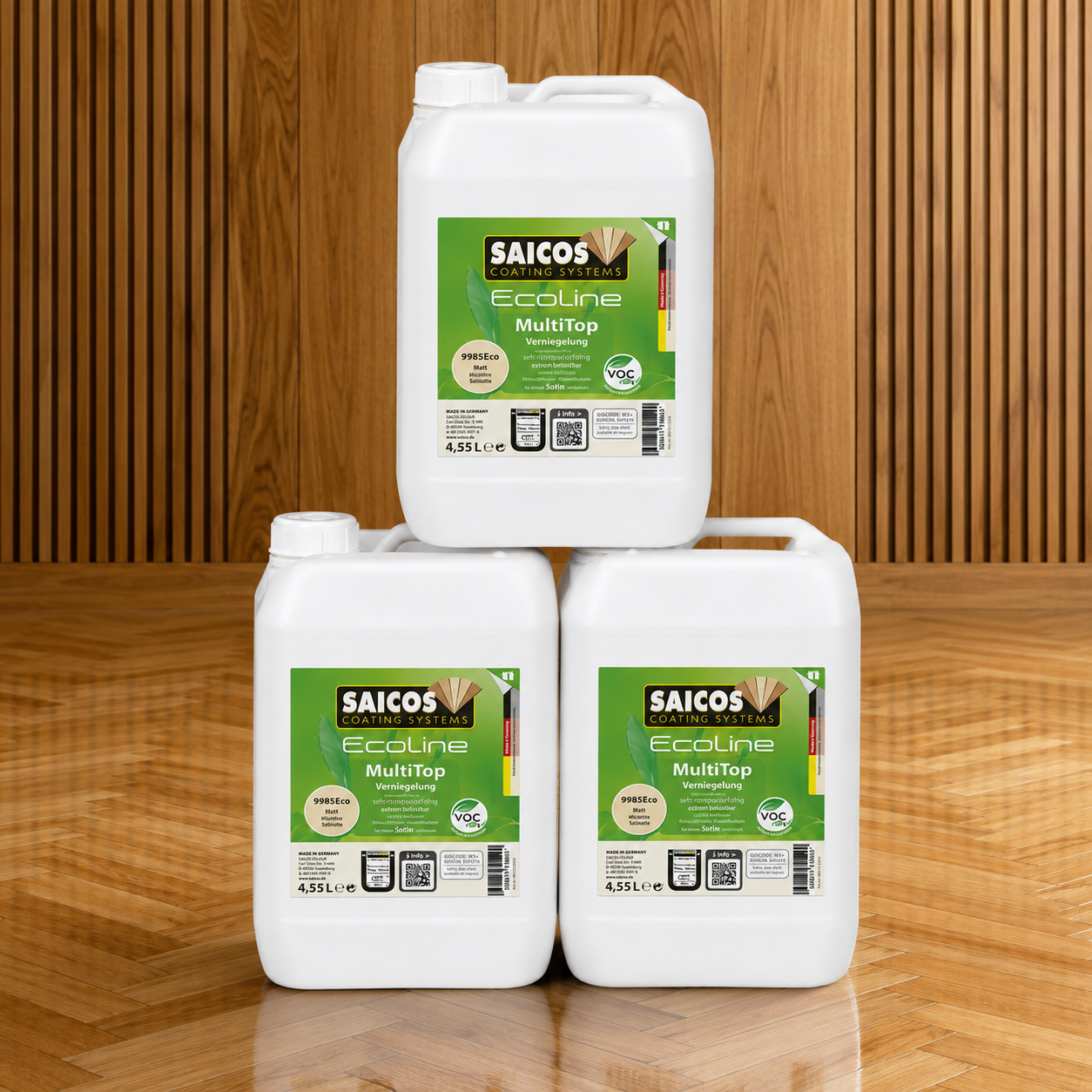
SAICOS Ecoline MultiTop
How SAICOS Ecoline MultiTop Adapts to Different Wood Floor Requirements
A quiet bedroom, a busy kitchen, a shop entrance and a timber staircase can all use a wooden floor, yet the finish on each surface has a different job. One may need a soft, low-reflection appearance. Another may face grit, frequent cleaning and constant foot traffic. A third may sit beside large windows, while a staircase may need added slip resistance. Treating every project as though it has the same demands can leave you with the wrong balance of appearance, workability and long-term performance.
SAICOS Ecoline MultiTop takes a modular approach. You begin with a water-based, one-component polyurethane lacquer developed for wood and bamboo floors, then select a sheen and add only the functions the project calls for. The system includes seven supplements covering abrasion resistance, chemical resistance, UV protection, slip resistance, working time and colour direction. It can also be paired with different ground coats when the timber needs a primer or when you want a particular colour foundation.
That flexibility does not mean mixing products at random. A good specification still starts with the floor, the room and the way the space will be used. This guide shows you how to assess those requirements, what each MultiTop supplement contributes and where the system’s limits matter.
Modular Lacquer System
A conventional product choice often begins with a fixed label such as residential lacquer, commercial lacquer or anti-slip lacquer. A modular system works differently.
The base coating provides the main protective film, while separate components let you adjust selected properties. In the SAICOS range, Ecoline MultiTop is the base. Hardener 2K can turn it into a two-component coating, UV Protection can reduce natural colour change from light, Anti-Slip R10 can raise slip resistance, and Slow Down can extend working time. Extra White, Pure and Pitch Black change the visual direction without hiding the fact that you are still working with timber.
This structure gives you an advantage when your projects vary. You do not have to treat a lightly used living room and a busy circulation area as identical surfaces. At the same time, you are working within one related coating family rather than combining unrelated products. SAICOS matches the additive quantities to the 4.55-litre MultiTop container.
That means you pair 0.45 litres of supplement with 4.55 litres of lacquer, creating a 5-litre working quantity with stated coverage of about 45 square metres for one coat. Actual coverage still changes with the wood species and surface structure.
The modular path also applies to what sits below the lacquer. MultiTop can be applied as the first coating on suitable surfaces, or it can form the topcoat over Ecoline Oil Ground Coat or Ecoline Ground Coat Speed. The primer here influences side bonding, colour, adhesion and the behaviour of soluble substances in the wood.
The Role Of The Base Lacquer
The base Ecoline MultiTop product is a colourless, water-based 1K lacquer on a polyurethane basis. It is for normal and high wear on solid wood floors, parquet, multi-layer flooring, bamboo floors and other interior wood surfaces, including heavily used furniture surfaces. The standard system is slip-resistant R9 and has DIBt approval number Z-157.10-162.
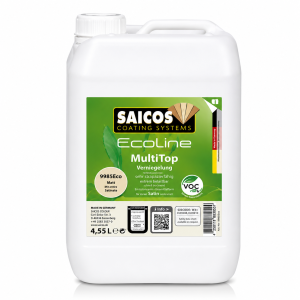
For many residential rooms without unusually high demands, you may not need to add a hardener with MultiTop. There are three 4.55-litre versions, Ultra Matt, Silk Matt and Satin. That means you can decide on the level of reflection separately from the decision to add a performance or colour supplement.
The base lacquer is therefore already the protective coating. Supplements are selected when you need a defined change, such as faster drying under humid conditions, greater abrasion resistance, a longer working window or a controlled visual effect.
How The Base Becomes A Two-Component System
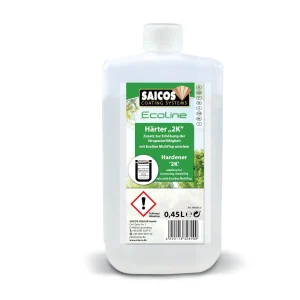
Adding Ecoline Hardener 2K changes the system from a 1K lacquer into a 2K water-based coating. Use a 1 to 10 mixing ratio for partial quantities, which matches 0.45 litres of hardener to 4.55 litres of MultiTop. After the component is added, shake for one minute, allow the mixture to rest for about five minutes, shake again and use the mixed lacquer within a two-hour pot life.
This is an important distinction. A 1K container can be used without activating a limited working period. Once Hardener 2K is mixed in, the clock starts. The mixed container should not be sealed for long periods, and the hardener must be included in the last two lacquer coats. On a lacquer-only build-up, the first coat can be applied without the hardener.
Consider this route when the floor faces greater wear, when increased resistance to chemicals is relevant or when humid conditions make faster drying valuable. However, Hardener 2K does not compensate for weak sanding, excess moisture, dust or unsuitable site conditions. It changes selected coating properties, not the basic need for careful preparation.
Start With The Project Requirements Rather Than The Additives
Seven supplements can make things look complex.
Begin with five questions: How heavily will the floor be used? What should it look like? How much light reaches it? What are the site conditions during application? Does the room have a defined slip or safety requirement? Once you have clear answers, most unsuitable options fall away.
Expected Wear And Traffic
Footfall is only one part of wear. A hallway collects outdoor grit that can act like fine abrasive material under shoes. A dining space has chair legs moving over the same areas. A retail floor may be cleaned more often than a bedroom. A family kitchen deals with dropped objects, spills and repeated movement between work zones. Therefore, you should assess the whole pattern of use rather than relying on a broad residential or commercial label.
For a standard living space, the 1K base lacquer may be enough when the substrate is suitable and the floor receives sensible care. As the expected wear rises, Hardener 2K becomes relevant as abrasion resistance, increased resistance to chemicals, faster drying and earlier resilience are its main functions. You still need entrance matting, suitable furniture protection and a maintenance plan. A tougher coating cannot stop grit from being carried across the floor every day.
The Intended Visual Result
Next, define what you want to see. A low-reflection floor lets the timber grain carry more of the visual interest. A silk matt finish gives the surface more definition without a bright shine. Satin reflects more light and can give parquet or strongly figured timber a more pronounced finished appearance. You get all three directions within the MultiTop range, so your sheen choice can be made before you decide whether a supplement is necessary.
Colour supplements add another layer to the brief. Extra White supports a whiter finish on a white-primed surface. Pure is intended for a surface that appears nearly untreated. Pitch Black produces a black effect while keeping the wood structure and laying pattern visible. These options are not interchangeable, and none should be chosen from a product name alone. The same mixture can look different on pale oak, dark hardwood, bamboo or thermally treated timber.
Light Exposure And Colour Stability
Timber changes colour when it is exposed to light. The amount and direction of that change depend on the species, the room and the areas covered by furniture or rugs. A floor beside full-height glazing may age differently from one in a shaded hall. If preserving the original colour for longer is part of your brief, Ecoline UV Protection can be added to MultiTop. It significantly reduces natural wood discolouration and lowers the colour change caused by exposure to light.
You should still plan for natural ageing and use a trial panel on the actual wood. Also think about where rugs, cabinets and large pieces of furniture will sit, because covered sections receive less light than exposed boards.
Site And Application Conditions
The room conditions during coating can affect which supplement is useful. SAICOS recommends a MultiTop application temperature between 15°C and 25°C. High humidity can slow drying, which is one reason Hardener 2K may be selected. High temperature and low air humidity create the opposite problem by shortening the time available to spread and level the coating. In those conditions, Ecoline Slow Down extends workability.
The project schedule matters too. If you add Hardener 2K, you have a two-hour pot life after mixing. Therefore, the team, tools and floor area should be ready before the component goes into the container. If you use Slow Down, the aim is not to make the finished floor stronger. Its function is to give you more application time when the climate is causing the lacquer to set too quickly.
Functional And Safety Requirements
The standard MultiTop has R9 slip resistance. Where a higher R10 classification is required, SAICOS offers Ecoline Anti-Slip R10. This supplement cannot be used by itself. It must be combined with Hardener 2K as part of the MultiTop system.
Remember water, cleaning residue, grease, dust, footwear and floor maintenance all affect conditions. On a stair, entrance route or other circulation area, you should match the tested coating build-up to the project requirement and then manage cleaning and contamination after handover.
Selecting The Sheen Within The System
The supplement choice does not replace the sheen decision.
Ultra Matt keeps reflection low and lets the wood take visual priority. Silk Matt gives a softer middle level of reflection. Satin responds more strongly to light and creates a more visibly finished surface.
Choose the sheen from the intended room rather than a small sample viewed under shop lighting. Move a representative board beside the windows, walls, furniture and permanent lights. Then view it in the morning, in the evening and from standing height. The same satin finish can feel restrained in a dim room and much brighter beside a large glazed opening.
If you are also adding Pure, Extra White, Pitch Black or UV Protection, test the complete combination. A clear Ultra Matt sample will not tell you how Ultra Matt with a colour supplement and primer will look on the final timber.
When A Primer Becomes Part Of The System
Some floors need more than a direct lacquer build-up. You can use a primer for hardwood, exotic wood and thermally treated wood. SAICOS has Ecoline Oil Ground Coat and Ecoline Ground Coat Speed, and either primer can reduce side bonding.
Side bonding occurs when lacquer joins adjacent board edges strongly enough to restrict their independent movement. If the timber later expands or contracts, stress can become concentrated at joints. A suitable ground coat reduces that risk while providing a controlled base for the lacquer.
Ecoline Ground Coat Speed is an aqueous barrier primer for European woods with a high content of soluble substances. It helps stop those substances bleeding through and protects the topcoat against discolouration, blistering and loss of adhesion. It has a drying time of about 60 minutes, and the topcoat should be applied within six hours. 5 litres cover about 75 square metres for one coat. Note the maximum wood moisture content of 12 per cent, an application range of 15°C to 25°C and a minimum substrate temperature of 8°C.
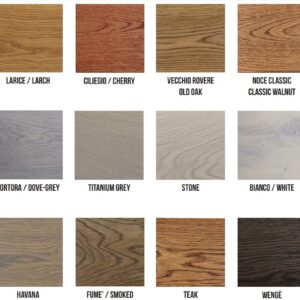
Ecoline Oil Ground Coat offers a wider visual foundation. There are 16 transparent colours, from Extra White and Colourless to Oak, Walnut, Graphite and Ebony. It is intended for wood, cork and bamboo floors, including hardwood, exotic and thermally treated timber, and it can be finished with the MultiTop system.
Pay particular attention to Merbau, Jatoba, Afzelia, Robinia and Acacia. Species with water-soluble components can show bleeding or spots. A primer may help, but SAICOS still recommends a trial coating on the original wood. That test is more reliable than a generic rule based only on the species name.
Four Example Routes Through The System
The following examples show how you may work with a MultiTop configuration.
A Standard Residential Living Area
You have an engineered oak floor in a living room with everyday family use, moderate daylight and no unusual slip requirement. The floor is correctly sanded, dry and suitable for direct coating. In this case, the one-component MultiTop base may be enough without Hardener 2K. You would then choose Ultra Matt, Silk Matt or Satin according to the room’s design and test that sheen on the actual oak.
The key is restraint. Adding several supplements would create extra mixing and more chances for the system to differ from the simple brief. If the base lacquer and chosen sheen meet the expected use, correct preparation and ongoing cleaning may matter more than adding functions the room does not need.
A Busier Interior With Higher Wear
You are specifying a timber floor for a busy reception or circulation space. People bring in outdoor grit, furniture is moved regularly and the floor is cleaned often. Here, Ecoline Hardener 2K may be appropriate because it increases abrasion resistance and resistance to chemicals, while helping the coating dry faster in humid conditions.
You would plan the application around the two-hour pot life and the 1 to 10 mixing ratio. You would also include Hardener 2K in the last two lacquer coats. Entrance matting, furniture pads and a written care plan should remain part of the project because a harder finish still needs protection from repeated abrasive dirt.
A Bright Room Where Colour Change Is A Concern
You have a pale timber floor beside large windows, and the client wants to keep the original colour for as long as practical. Ecoline UV Protection becomes relevant because it reduces the natural colour change caused by light. The chosen MultiTop sheen still determines the level of reflection, while UV Protection addresses the colour-stability brief.
Before approval, coat a sample made from the actual floor timber and place it in the room. Compare it in direct daylight and shaded areas. Also note where rugs and fixed furniture will sit, since covered sections receive less light. This gives a realistic view of the initial finish and the way different parts of the floor may age.
A Stair Or Circulation Area With Additional Slip Requirements
You are working on a timber stair or route where the project calls for R10 slip resistance. The route is MultiTop with Hardener 2K and Anti-Slip R10. The anti-slip supplement cannot go alone, so the mixing and coat plan must account for both components.
You should also check the whole environment. Smooth socks, wet footwear, dust and cleaning residue can all affect grip. The R10 coating classification gives you a tested system property, while the cleaning regime and day-to-day control of contamination support that property in use.
Mixing Limits And Trial Application
The modular format has clear boundaries. No more than two supplements should be put directly into the MultiTop canister. If the project needs more than two, the lacquer and supplements should be mixed in a separate container. This protects the mixing process and gives you enough space to combine the components properly.
Follow application requirements for every selected supplement because the instructions are not identical. Hardener 2K has a two-hour pot life, a 1 to 10 ratio for partial quantities and a one-minute initial shake. Several other supplements call for two minutes of shaking, a five-minute rest and a second shake. Anti-Slip R10 requires Hardener 2K. Colour supplements may also call for a particular ground coat or timber type.
A trial coating should reproduce the proposed job as closely as possible. Use the original wood, the intended final sanding, the selected primer, the chosen sheen and the planned supplements. Apply enough area to judge colour, reflection and grain from standing height. A small dab on an offcut may show colour, but it will not show how the finish reads across several boards or a parquet pattern.
The sample also lets you check practical effects before committing to the main floor. You can see whether soluble components cause spots, whether the primer changes the colour more than expected and whether the selected sheen suits the room’s lighting.
Recommended products
Discover more alternatives and similar items.