
How To Stain Hardwood Floors Correctly
Learn About How To Stain Hardwood Floors Correctly
Wood is one of the most versatile types of material. It can be shaped in so many shapes and forms and it can be transformed from one colour to another in no time. Also, fun fact, wood is by far the rarest material in the entire universe. It only grows up on earth. So we are very lucky to have it and be able to transform it into something useful for our needs. The wood is also available in all imaginable colours from white to black.
We get bored very easily. Whatever is in fashion today is likely to be outdated within a few years. While some materials are permanent and cannot be changed in a different colour without melting it or really re-shapping it, the wood can be oiled, stained in hundreds of colours, lacquered, polished, sealed and more.
The grey wood used to be a big hit 5 years ago, now white wash is in, before it was dark colors, before that it was the natural look. That is no problem when you are dealing with real wood materials. A quick sanding job and you can transform your orange hardwood floors into a walnut floor. Or an oak. Or mahogany. Or pine. Or ash wood. Etc.
What is staining? | How To Stain Hardwood Floors Correctly
The stain itself is a colour. There are water based wood stains and oil based or solvent based wood stains. Made from different raw materials but made for the same purpose. To change the colour of the wood from natural to whatever colour you or your customers prefer. The water based wood stains seem to be a bit more artificial looking while the oil based wood stains seem to be more natural looking.
Both types of wood stain will require overcoating with a protector and it has to be applied to raw wood. The wood can be new or newly sanded. Any pre-existing sealers can create a barrier that will prevent the stain from reaching the wood and it will dry up unevenly or patchy.
Basic preparation before staining
The new types of wood stains sink inside the wood and expose the natural wood fibre. The basic preparation will include the following steps:
- Sanding | The wood surface has to be sanded in full until all old sealers, coloured waxes, water damage, scratches etc. are fully removed and the wood is left raw and natural. The wood also has to be dry before staining it. The surface should be sanded from 40 grit up to 100 grit sanding paper (40, 60, 80 and ten 100).
- Vacuuming & Dusting | The wood surface has to be dust free to prevent patchy looking wood stain finish. Vacuum the entire surface a number of times and then use a fine quality microfiber cloth to remove even the finest dust particles.
- Prepare gloves, masking tape if you are staining surfaces that are near other surfaces that do not need to be stained and give yourself enough time to do the job properly.
Selecting the right wood stain
A wood stain should be selected to work with the item itself and the entire environment. If X piece of furniture or hardwood floor is stained in a dark colour, then the area around should be kept bright to create a nice contrast. Not all types of wood surfaces can be stained with the same colour of wood stain.
If one piece of wood furniture is made from a yellow pine and it gets stained with a white wash stain, it will look scandinavian, but if another identical piece of furniture is made from mahogany, the white wash stain will create a dirty brown finish. Darker the fiber of the wood, harder it is to make it bright. Some types of hardwood floors, like the maple floors, do not look well stained. The fibre of the wood tends to absorb more stain and to become overpowering.
Sealing the wood stain
The wood stain is just a colour and it needs to be overcoated with some kind of protector to make sure that the colour is not washed. Some wood stains can be overcoated with a hardwax oil while others can be overcoated with a two pack water based floor lacquer or a solvent based floor lacquer. If you are looking for a natural or sheen free floor lacquer, you should go for a natural or extra matt finish. If you are staining hardwood floors, a matt or semi gloss finish is the best from a maintenance point of view.
Tips about staining
A wood stain will make the fibre of the wood more visible. Any imperfection that is not sanded before the staining, will be made much more visible by the stain. Use a fluff free cloth or a special oiling pad to apply the stain. Protect your hands and all the areas that do not require staining. Create a few patches and sample a few different colours of wood stain before proceeding with the entire area.
All cloths used to stain the wood should be soaked in clean water to prevent it from igniting from the static energy generated by the friction with the hardwood floor. Make sure to shake the wood stain tin before using it. The colour of the stain can and will deposit at the bottom of the wood stain container. As mentioned above, the same stain can look totally different on different types of wood.
- Soak a cloth in the stain and apply it to the wood fibre. Move up and down the fibre of the wood until the wood has absorbed the stain and the colour has changed the wood from the natural finish into whatever colour you have decided to stain it.
- About 30 minutes later, use a clean cloth to lightly scrub the entire surface and remove all the excess wood stain from the surface.
- Allow it to dry for a few hours and then apply the desired sealer.
Best brands of wood stains | How To Stain Hardwood Floors Correctly
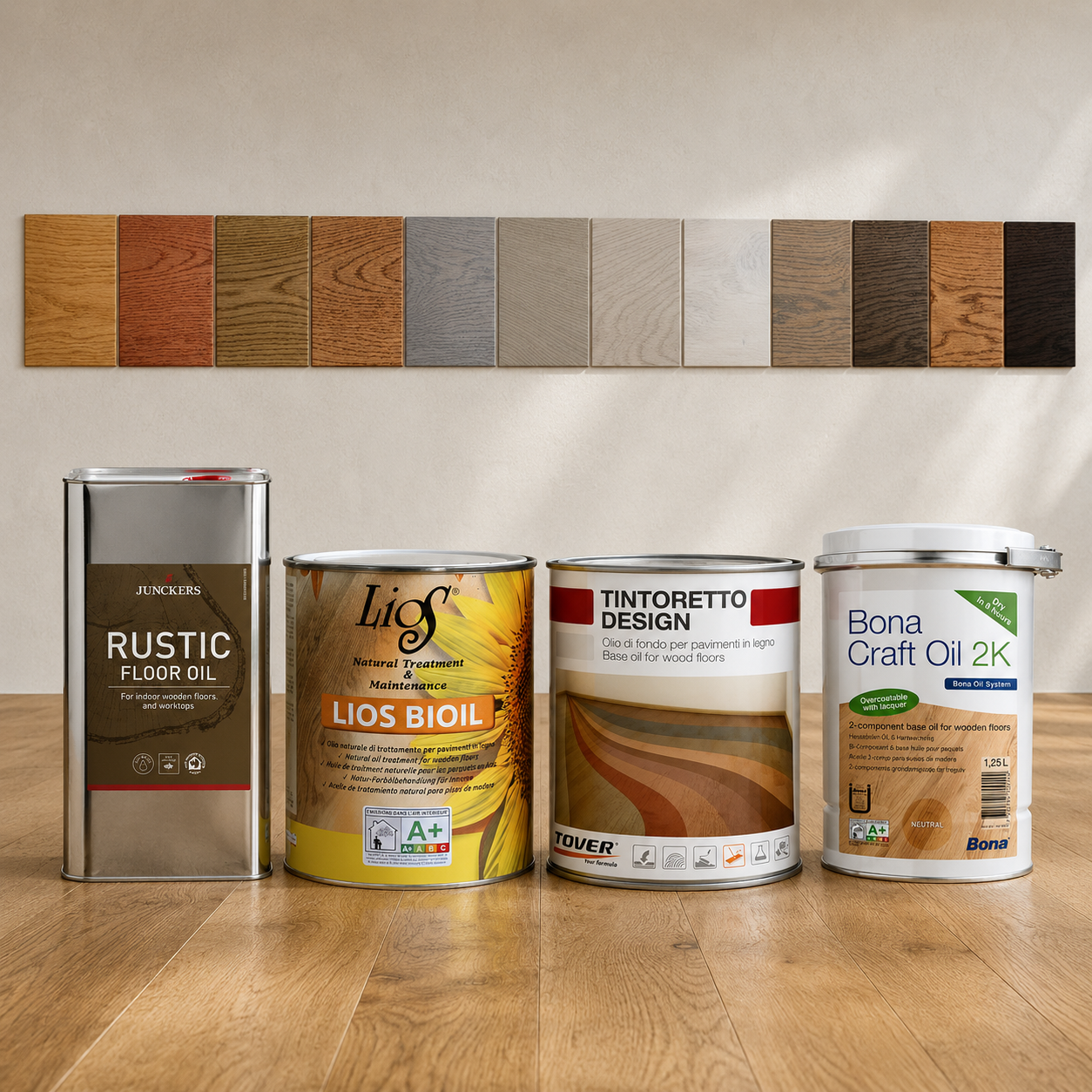
Our company is the official distributor for Chimiver Wood Stains, Tover Wood Stains, Junckers Wood Stains, Bona Craft Oils and we also sell a number of coloured primers to brighten up colour hardwood floor and hardwood furniture.
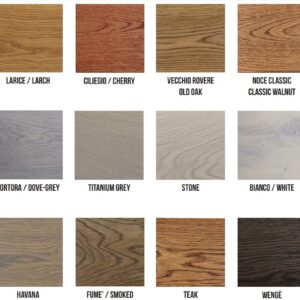
Chimiver Wood Stains | The Chimiver range of wood stains is one of the most popular and most natural looking ranges of wood stains around. Chimiver has 18 distinct colours that are very unique, very easy to apply, very high coverage, deep penetrating and overcoatable with a two pack water based floor lacquer or a hardwax oil.
Chestnut | Larch | Cherry | Old Oak | Classic Walnut | Old Walnut | Grey | Dove-Grey | Titanium Grey | Stone | White | Super White | Vanilla | Havana | Fume | Teak | Wenge | Black
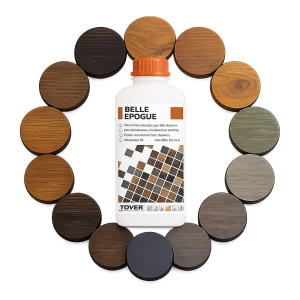
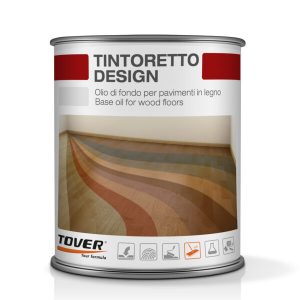
Tover Wood Stains | Tover is another Italian brand of wood stains that has made history. They manufacture very unique colours of wood stains that are capable of transforming all types of boring hardwood floors into top quality rich wood fibers. The Tover range of wood stains are a very high coverage area and known for being very easy to apply.
Cherry | Teak | Mahogany | Walnut | Antique Walnut | Dark Walnut | Wenge | Black Ebony | Neutral | White | Artic | Smoke | Whiskey | Pearl | Smoke | Rose | Rose Grey | Light Grey | Grey | Stone | Fume | Tobacco | Cappuccino | Honey | Lilla | Green | Moss | Blue Capri | Night Blue
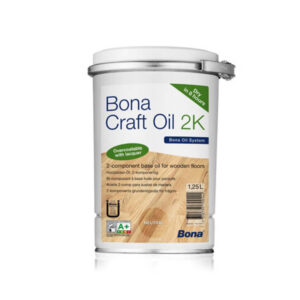
Bona Craft Oil 2K | This is a heavy duty two pack floor oil that can be used as a floor oil or it can be used as a wood stain or as a finish itself. Bona is one of the world`s most well known manufacturers of hardwood floor finishes so it’s only natural that they will also make premium quality wood stains. While the range is more limited than other types of wood stains manufacturers, many people love the Craft Oil range.
Neutral | Invisible | Sand | Misty | Light Grey | Frost | Ash | Driftwood | Umbra | Clay | Graphite
Junckers Rustic Oil | The Junckers range of floor oils is also suitable for staining real wood floors. These products are highly popular with the floor refinishing industry and have been popular for the past 20 years. The Junckers Rustic Oils can be overcoated with hardwax oil or two pack water based floor lacquers from Junckers, Tover, Bona and Chimiver.
White | Driftwood Grey | Nordic | Anthracite Grey | Dark Coco | Natural
What makes these stains different? | How To Stain Hardwood Floors Correctly
All these popular wood stains have their own advantages and disadvantages. Our company sells a wide range of unique colours so we can satisfy all our customers. Each brand of wood stain sells uniquely coloured wood stains, “white” from one brand will look totally different from the “white” of another brand and this is important when you are trying to match old and new colours or when you are trying to create unique finishes. The white wood stain from Chimiver looks totally different from the white rustic oil from Junckers. That small difference in colour can make a huge difference when you are trying to match different colours of wooden floors or wood furniture.
How To Stain Hardwood Floors Correctly
Recommended products
Discover more alternatives and similar items.